TL;DR
When a dog's back legs look skinny, muscle tissue is shrinking, not overall body fat. You can feel the difference by running your hand along the thigh: less padding over the bone and a narrower width mean muscle loss, even if your dog's weight on the scale has barely changed. Weight loss and muscle loss are separate processes that need different responses.
Muscle loss and weight loss are not the same thing
Your dog can lose muscle without losing much weight. Muscle tissue can shrink while fat stays in place, so the number on the scale may look stable or drop only slightly. The back legs feel narrower, the bones feel closer to the surface, and getting up or climbing stairs becomes harder. That narrowing is muscle atrophy, and it happens for different reasons than general weight loss.
Weight loss means the whole body is using more energy than it is taking in. Muscle loss means specific tissue is breaking down faster than it is being rebuilt. An older dog can lose muscle because of reduced activity, pain that limits movement, illness, poor protein intake, or a combination of those factors. The back legs often show the change first because the hind limbs carry less weight during cautious movement and shrink faster when a dog favors the front.
How to feel muscle loss in the back legs
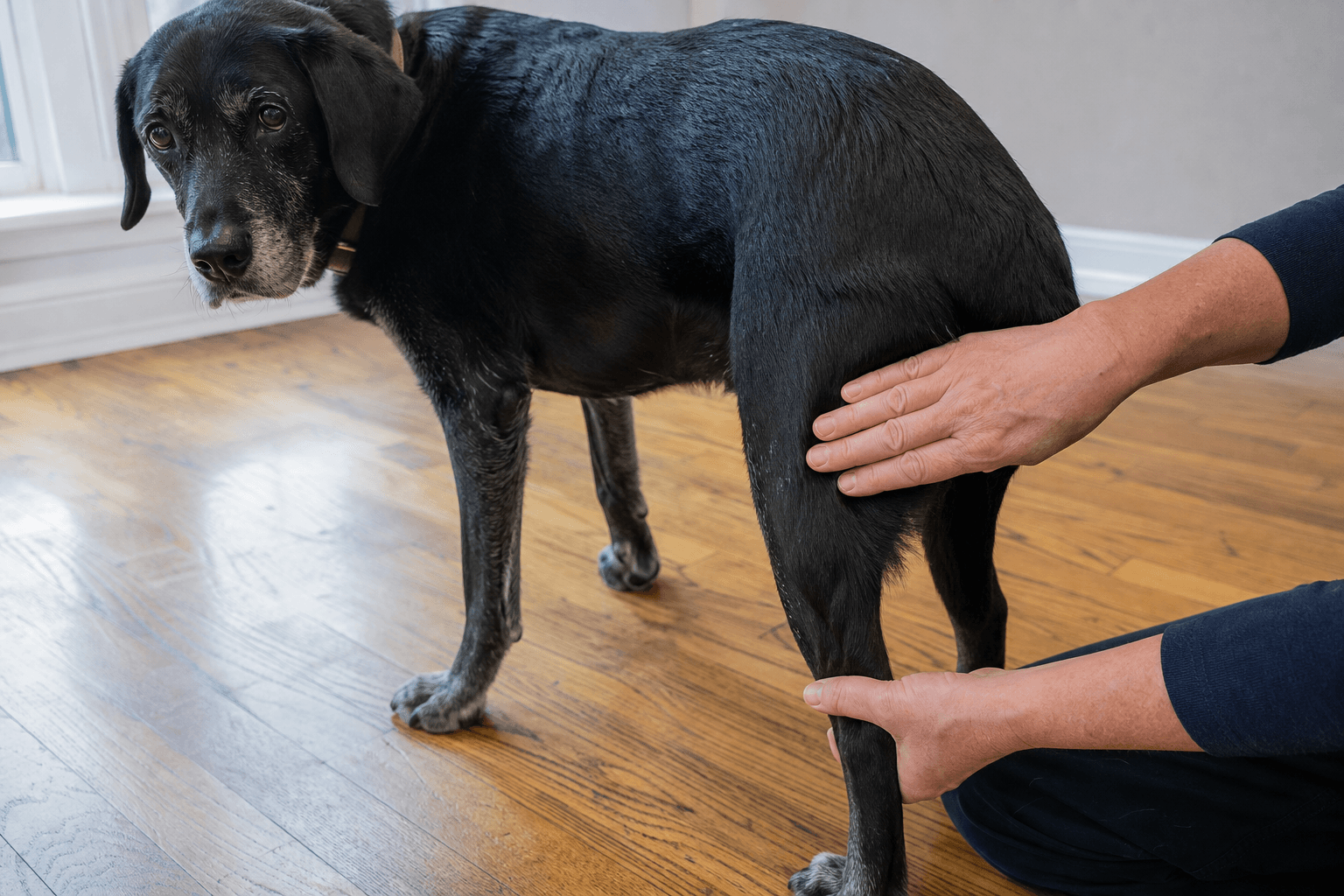
Run your hand along the outside of your dog's thigh, from hip to knee. A healthy thigh feels firm and rounded, with a smooth layer of muscle over the bone. When muscle is shrinking, the thigh feels flatter, the bone is easier to press against, and the width from front to back is noticeably less than it was a few months ago.
Compare both back legs. Muscle loss can be uneven: one leg may look thinner if your dog has been favoring it because of pain or stiffness. Stand behind your dog and look at the width of both thighs. A clear difference in size suggests that one leg is being used less.
Press gently along the spine and hips. When muscle shrinks across the body, the bones of the lower back and pelvis feel more prominent. That bony feeling is a sign that muscle padding has thinned, even if your dog's ribs are not showing and their overall body condition looks normal.
Why a stable weight does not rule out muscle loss
Muscle weighs more than fat by volume. A dog can lose muscle and gain a small amount of fat at the same time, leaving total body weight nearly unchanged. The scale reading stays steady, but the back legs get thinner and weaker. That shift is common in older dogs who eat enough calories but move less or whose bodies are not using protein efficiently.
Weigh your dog at home or during veterinary visits, but do not rely on weight alone to track muscle. Write down what you feel when you run your hands along the thighs, hips, and spine. Note whether your dog is hesitating before stairs, taking longer to stand up, or walking more slowly. Those functional changes often appear before weight drops.
What causes muscle to shrink in the back legs
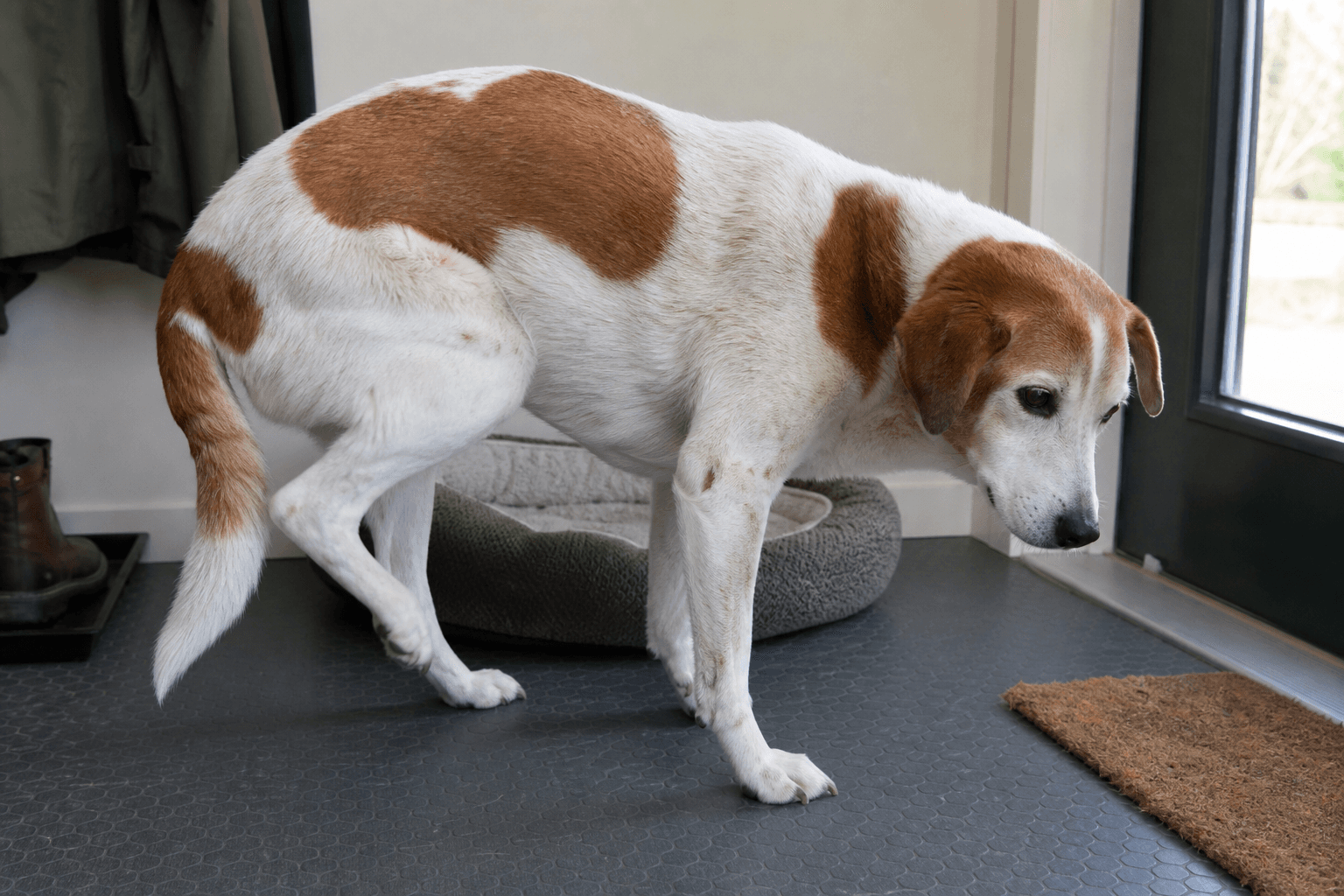
Reduced activity is the most common reason. When a dog moves less because of arthritis, an injury, or general fatigue, the hind-leg muscles are used less and begin to atrophy. Pain anywhere in the body can cause a dog to shift weight forward and rely more on the front legs, leaving the back legs weaker over time.
Illness and recovery can accelerate muscle loss. A dog recovering from surgery, managing a chronic condition, or dealing with reduced appetite may not be taking in enough protein or may be breaking down muscle faster than usual. Aging itself changes how efficiently a dog's body builds and maintains muscle, even when activity and food intake stay the same.
Poor-quality protein or too little protein in the diet matters. Muscle tissue needs a steady supply of amino acids to repair and rebuild. If the food does not provide enough high-quality protein, or if your dog is not eating their full portion, muscle loss can follow.
What to do when you notice thinner back legs
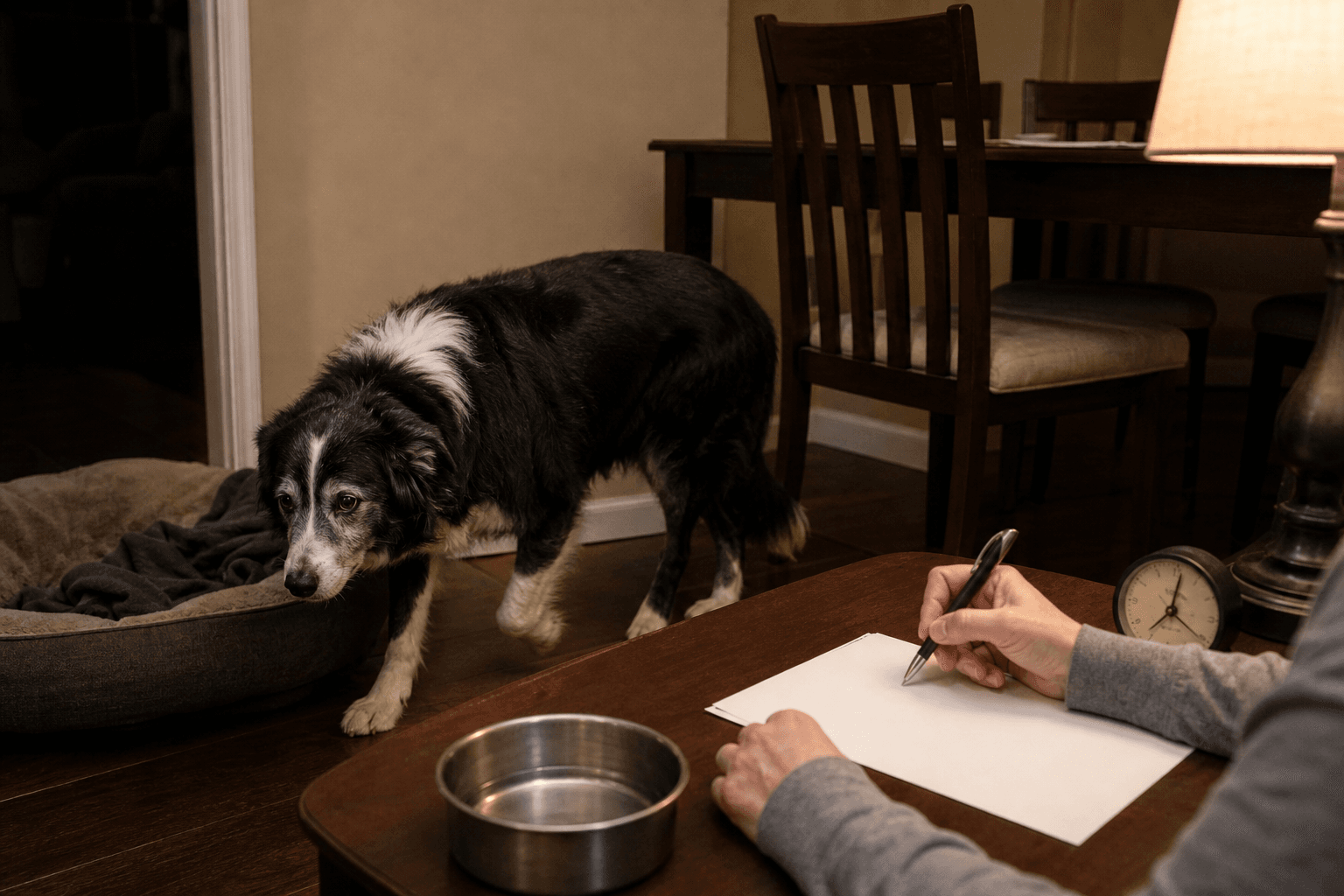
Write down what you observe. Note the date you first noticed the change, which leg looks thinner, whether your dog is moving differently, and whether appetite or energy has changed. Take a photo of your dog standing from behind so you can compare the width of the thighs over time.
Schedule a veterinary appointment. Muscle loss in the back legs can be a sign of arthritis, neurological issues, metabolic disease, or pain that needs diagnosis and treatment. Bring your notes and photos. Your veterinarian can assess body condition, check for underlying illness, and recommend changes to diet, activity, or pain management.
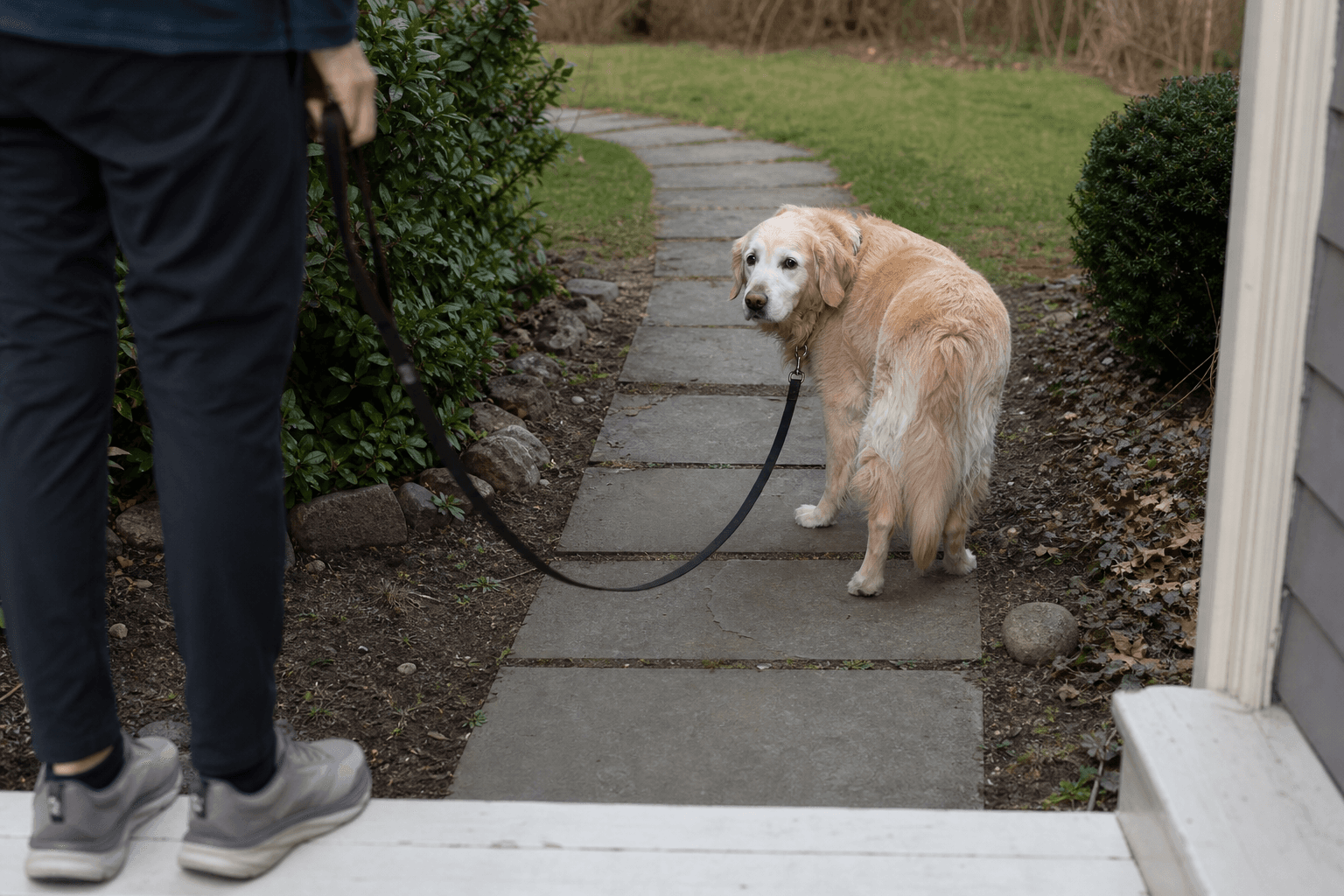
Adjust activity thoughtfully. Muscle needs use to stay strong, but pushing a dog with pain or fatigue can make things worse. Short, frequent walks on flat ground are usually safer than one long outing. Swimming or walking in shallow water can help maintain muscle without stressing painful joints, if your dog tolerates it.
Review your dog's food with your veterinarian. Older dogs often need more protein per pound of body weight than younger adults to maintain muscle. A food formulated for seniors may provide better support, but the right choice depends on your dog's overall health, kidney function, and any other conditions they are managing. For dogs whose muscle loss is linked to reduced activity or recovery, a supplement designed to support muscle strength may fit into a broader care plan; muscle-strength-recovery-soft-chews-for-dogs are one option to discuss with your veterinarian.
FAQ
Can muscle loss in the back legs be reversed? Muscle can rebuild if the underlying cause is addressed. Treatment for pain, a better diet, and gentle, consistent activity can help, but the timeline depends on why the muscle was lost in the first place. Work with your veterinarian to create a realistic plan.
Is muscle loss in senior dogs always a sign of illness? Not always, but it is never normal to ignore. Aging alone can make muscle maintenance harder, but pain, disease, and poor nutrition are common contributors. A veterinary exam can separate ordinary aging changes from treatable problems.
Should I increase my dog's food portion if their back legs are getting skinny? Not without checking with your veterinarian first. Muscle loss is not always about total calories. Your dog may need more protein, a different feeding schedule, or treatment for an underlying condition. Adding food without understanding the cause can lead to weight gain without rebuilding muscle.
How long does it take to notice muscle loss in a dog's back legs? It depends on the cause. Muscle can shrink noticeably within a few weeks after surgery or during illness. In an older dog with gradually declining activity, the change may take months. Regular hands-on checks and comparing photos every few weeks can help you catch the change early.
For individual health questions, your veterinarian remains the best partner.