TL;DR
When you want a dog who can quietly keep you company, the answer goes beyond a list of breeds. Dog breeds suited to companionship can help narrow your options, but the match between age, personality, energy level, grooming needs, and home environment matters more. For many households, an adult dog also deserves serious consideration.
Start by writing down your household routine, how much time you can devote each day, and which care tasks you cannot take on. Then observe how specific dogs respond in unfamiliar surroundings. This is a more reliable approach than deciding based only on appearance or online rankings.
Which Dogs Are Better Suited to Companionship?
“Companion dog” is not a strict personality label. A more useful approach is to observe whether a dog gradually relaxes after interacting, is willing to come closer while also tolerating brief periods alone, and has activity needs that fit the pace of your household.
Some small companion breeds naturally bring home-based companionship to mind. Certain medium-sized dogs with steady temperaments and solid training foundations may also suit families who want walks and interaction. Size alone cannot tell you whether a dog will be quiet, people-oriented, or easy to care for. Even dogs of the same breed can differ significantly in their alertness, preferred ways of connecting, and energy levels.
Treat breed information as a “possible tendency,” not a promise of the outcome. Research on genetic differences among dog breeds examines population structure and genetic markers. This work helps researchers understand genetic diversity and evolutionary relationships, but it cannot determine whether a particular dog is right for your living room, routine, and family.
Why Can’t Breed Alone Determine Your Experience Together?
Whether companionship feels natural often depends on several conditions that affect one another:
- Age and experience: Puppies may need more help with house-training, training, and adapting to their surroundings. An adult dog’s habits can sometimes be easier to assess.
- Energy level: A dog who needs extensive running and structured tasks may not suit a household that spends much of the day sitting, works long hours, or has limited opportunities for activity.
- Temperament in practice: Notice whether the dog gradually returns to calm around unfamiliar people, sounds, touch, and brief separation, or remains tense.
- Grooming needs: A long, tangle-prone, or easily soiled coat requires a consistent brushing and cleaning routine. Include that work in your time budget.
- Household members: Children, other pets, family members with limited mobility, and the size of your home can all change the result of the match.
Genetic research can also provide a foundation for future studies of traits and disease-related factors. Still, the gap between “a breed may have certain tendencies” and “how this particular dog will behave with you today” includes age, experience, and individual temperament.
Could an Adult or Senior Dog Be a Better Choice?
An adult or senior dog should not be treated as a second-choice option. Their pace, size, and everyday responses are generally easier to observe, so before adoption you can focus on how you actually get along rather than guessing what they will be like when fully grown.
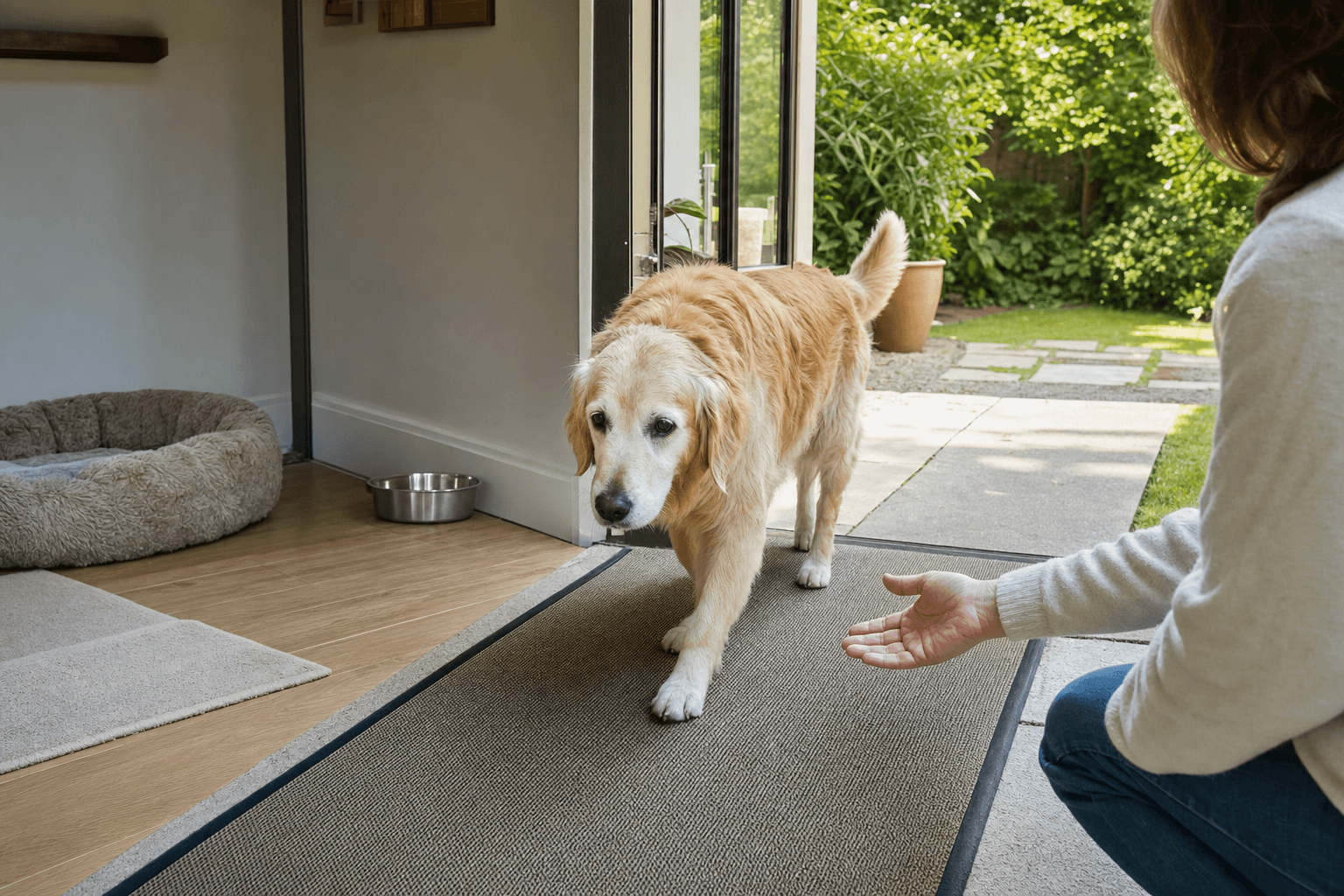
During a meeting, first give the dog room to move away. Do not test how “friendly” they are with repeated calling, hugging, or forced petting. Observe their state after waiting quietly, taking a short walk, and having a simple interaction: do they gradually relax, or do they become increasingly tired, tense, or avoidant?
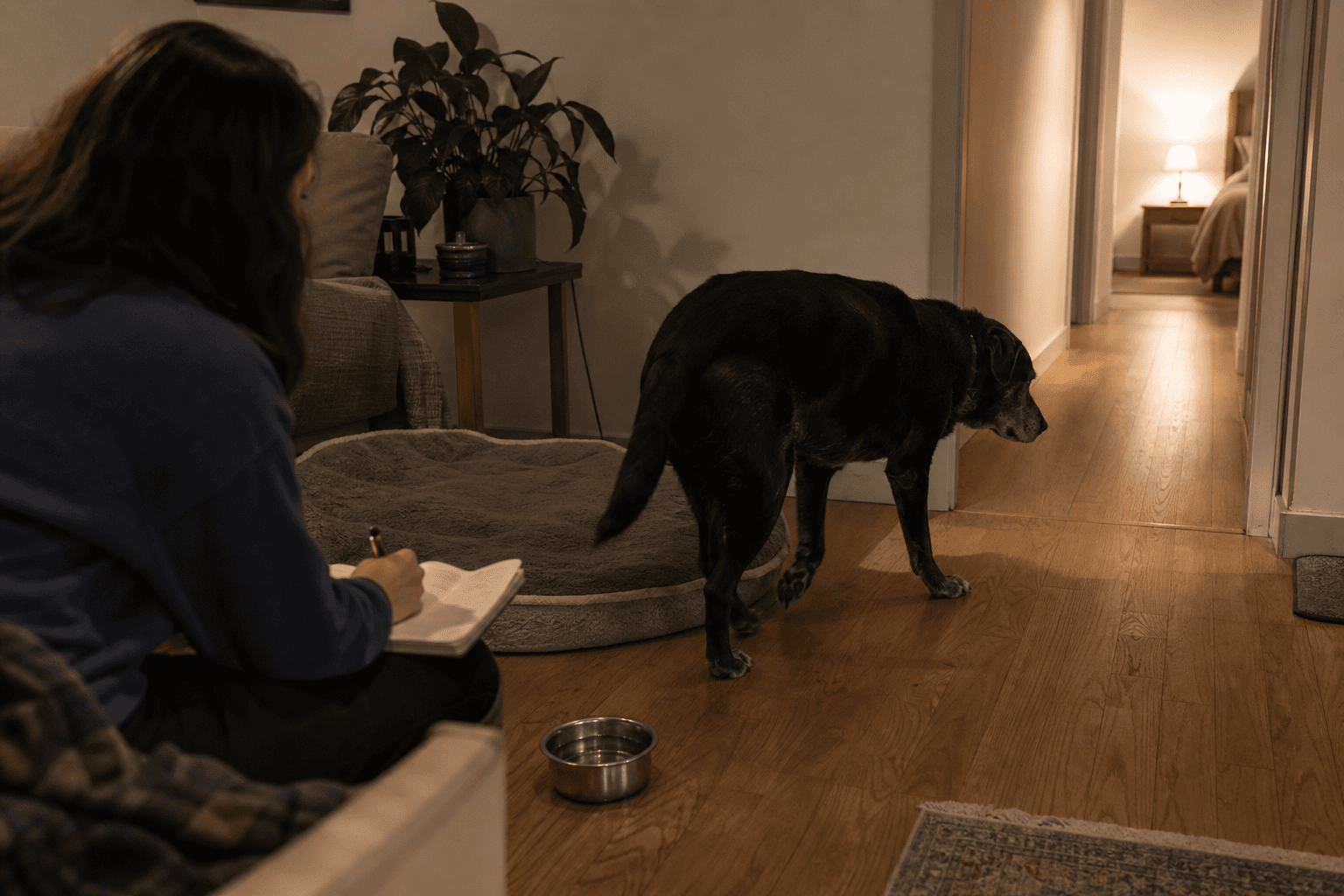
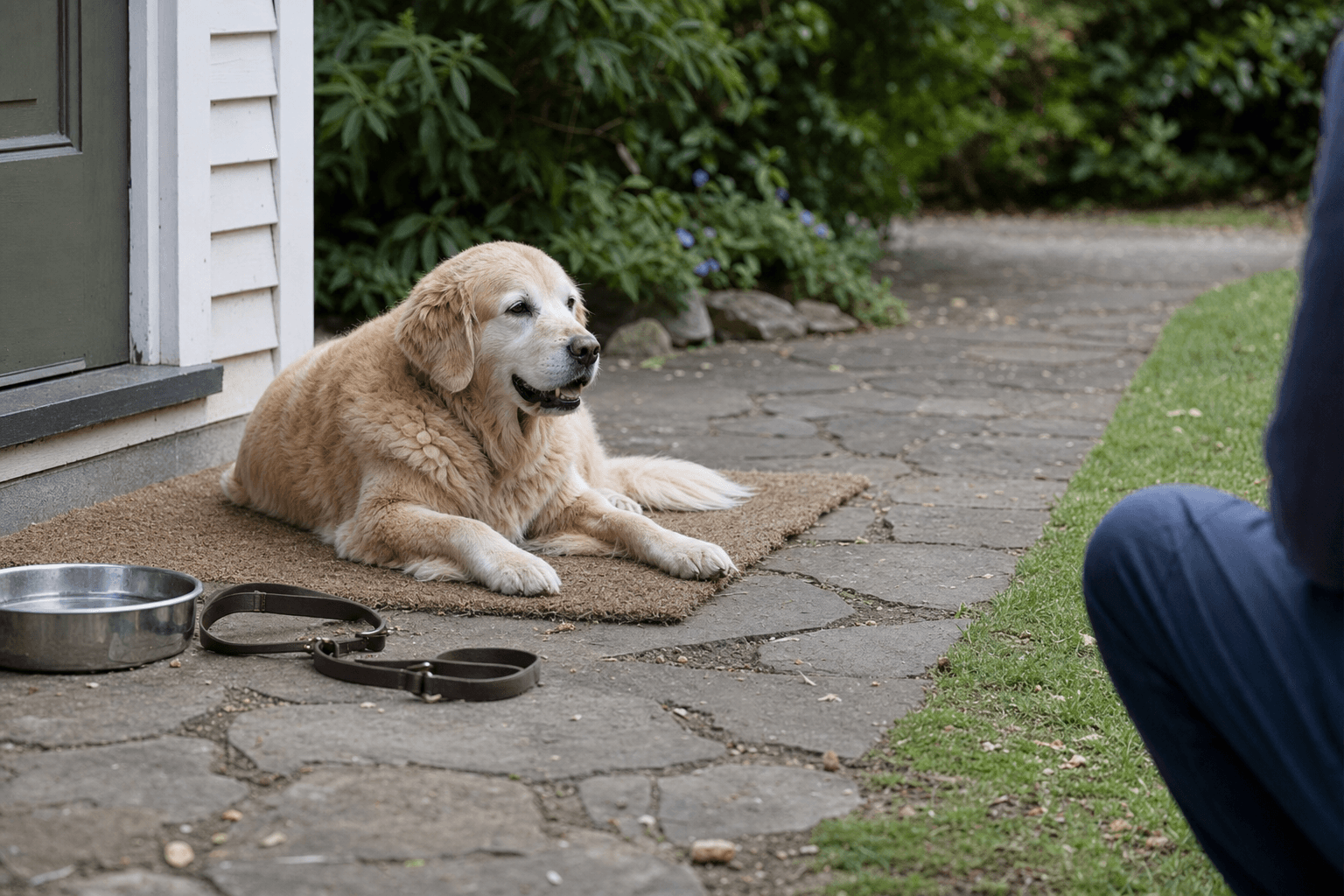
With senior dogs in particular, put comfort ahead of the form companionship takes. Short, gentle interactions, a consistent place to rest, and uninterrupted quiet time may suit their needs better than a packed schedule of activities. Writing down your observations also makes it easier to review them later; see Daily Care and At-Home Activity Tips for Senior Dogs.
A Compatibility Checklist
Before deciding, make a separate checklist for your household and for the dog:
What Your Household Can Provide
- Who will handle feeding, cleaning, walks, and companionship each day?
- Can you create a quiet resting area where the dog will not be frequently disturbed?
- Can everyone in the household accept shedding, vocalization, grooming, and an adjustment period?
- If the dog ages or their mobility changes, can you adjust the care plan?
What This Dog Shows You
- Can they gradually return to calm in an unfamiliar environment?
- What kinds of interaction do they enjoy, and when do they choose to end it?
- Do their activity needs exceed what your household can reliably provide?
- Do their coat, ears, teeth, and daily cleaning needs fit your ability to provide care?
If you have several candidate dogs, record them in three columns—“match,” “adjustable,” and “not a fit for now”—instead of writing only “like” or “dislike.” List the leash supplies, resting items, and cleaning products you need before adoption or purchase separately. Then review Everyday Dog Supplies based on actual needs; do not buy a large quantity of items all at once because of an impression about the breed.
FAQ: Common Questions About Choosing a Companion Dog
Are Small Dogs Always Better for Companionship?
Not necessarily. Small dogs can also be energetic, alert, or demanding when it comes to grooming. Size describes only part of the daily arrangement and cannot replace observing a specific dog’s temperament and activity needs.
Is a Quiet Dog the Ideal Companion Dog?
Quietness is only one dimension. More important is whether the dog can rest comfortably in your home, accept appropriate interaction, and match your family’s routine and ability to provide care.
If a Dog Is Very Friendly at the First Meeting, Can You Decide Right Away?
It is better not to rely on a single interaction. Observe how the dog recovers in different situations, ask their caregivers about everyday habits, and then compare those observations with the time and space your household can provide over the long term.
Choosing a dog breed suited to companionship ultimately means choosing a sustainable everyday relationship: breed information helps narrow the field, while the specific dog’s behavior and your household’s real capabilities make the final decision.
For individual health questions, your veterinarian remains the best partner.