In this article
TL;DR
The most common dog eye problems are conjunctivitis, corneal ulcers, dry eye, cherry eye and eyelid problems in younger dogs, and lens sclerosis, cataracts, dry eye, glaucoma and eyelid lumps in older dogs. Most start with the same handful of signs: redness, discharge, squinting, cloudiness or bumping into things. Some are harmless: the blue-grey haze of lens sclerosis is normal ageing and does not need treatment. Others are emergencies: a painful, red, cloudy or bulging eye can be glaucoma or a deep ulcer, and sight can be lost within hours to days. Cataracts are common in older dogs: in North American teaching hospitals, 16.8% of mixed-breed dogs aged 7 and older had them, and 80% of diabetic dogs developed cataracts within about 16 months of diagnosis. When in doubt about an eye, see a vet the same day: eyes are one place where waiting rarely helps.
Is it an emergency?
| Go to a vet now | Book a vet visit soon | Usually normal ageing |
|---|---|---|
| Squinting or holding the eye shut | Mild redness or discharge for more than a day or two | Even blue-grey haze in both pupils (lens sclerosis) |
| A cloudy blue or bulging eye | Thick, sticky yellow or green discharge | Some tear staining in light-coated breeds |
| Sudden blindness | A cloudy white pupil (possible cataract) | |
| An eye that has popped forward | A lump on the eyelid | |
| An injury, scratch or chemical in the eye | A red swelling in the inner corner (cherry eye) | |
| Pupils of different sizes, with wobbliness or a head tilt | Rubbing or pawing at the face |
10 common eye problems in dogs
1. Lens (nuclear) sclerosis
A blue-grey haze in the centre of both pupils that develops slowly in middle-aged and older dogs. The lens fibres compress with age, but light still gets through, so most dogs see well. It needs no treatment, but a vet should confirm it is not a cataract.
2. Cataracts
A white, cloudy opacity in the lens that blocks light and can lead to blindness. Causes include inheritance, ageing and especially diabetes. Surgery is the only treatment that restores sight. Read more in cataracts in dogs and signs of diabetes in dogs.
3. Dry eye (keratoconjunctivitis sicca)
Too few tears leave the eye red, painful and covered with thick, sticky discharge. Vets diagnose it with the Schirmer tear test, which measures tear production on a paper strip. Treatment is usually lifelong eye drops that stimulate tears, and the earlier it starts, the better the cornea is protected. See dry eye in dogs.
4. Corneal ulcers
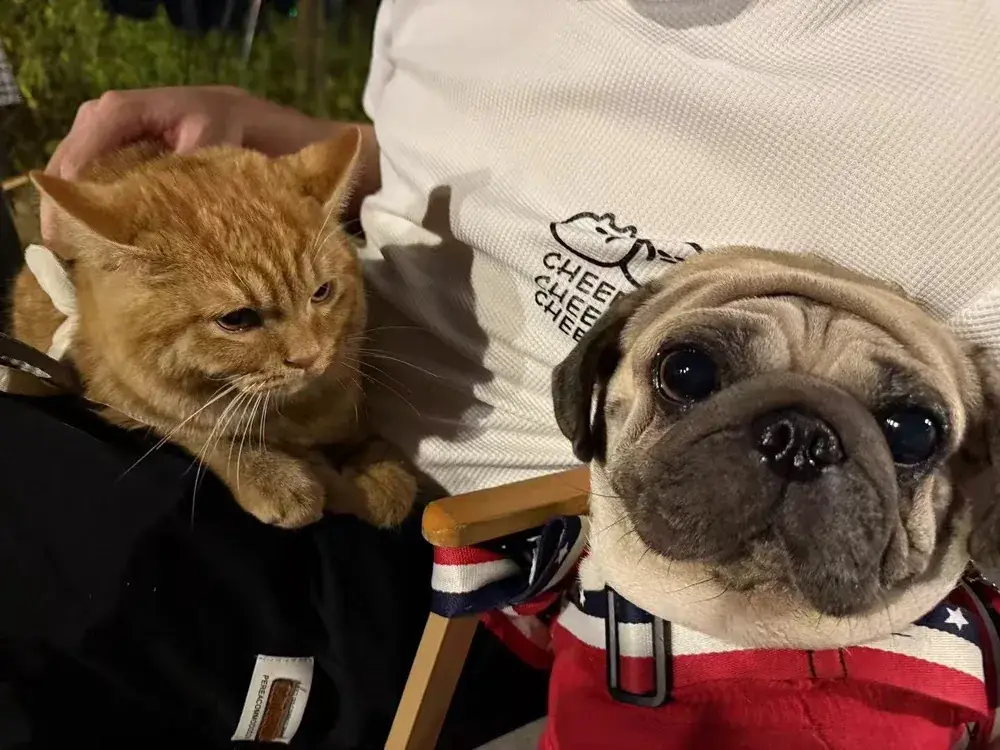
A scratch or erosion on the clear front of the eye. Signs are squinting, tearing, rubbing and a red eye. Flat-faced breeds with prominent eyes, such as Pugs, Shih Tzus and French Bulldogs, are especially prone. Most superficial ulcers heal with treatment in days; deep or infected ulcers can rupture the eye and are emergencies.
5. Glaucoma
High pressure inside the eye. It is painful and the eye may look red, cloudy blue and enlarged, with a dilated pupil. Some breeds inherit it; in older dogs it can follow lens problems, inflammation or tumours. Sight can be lost quickly, so it is an emergency.
6. Conjunctivitis
Inflammation of the pink tissue around the eye: redness, swelling and discharge. Causes include allergies, irritants, infection, dry eye and eyelid problems, so a vet looks for the cause rather than just treating the redness.
7. Cherry eye
A red, round swelling in the inner corner of the eye: the tear gland of the third eyelid has popped out. It is most common in young dogs of breeds such as Bulldogs, Beagles and Cocker Spaniels. Surgery to put the gland back is preferred, because the gland makes a large share of the eye's tears.
8. Eyelid problems
Entropion (eyelid rolling in, so lashes rub the eye) and ectropion (droopy eyelids) cause chronic irritation. Older dogs often grow eyelid lumps; many are benign, but a vet should check any lump that grows, bleeds or rubs the eye.
9. Progressive retinal atrophy
An inherited disease in which the retina slowly degenerates. Night blindness comes first, then daytime sight fades over months to years. It is not painful. DNA tests exist for many breeds.
10. Sudden blindness
Sudden loss of sight has several causes, including retinal detachment (sometimes linked to high blood pressure) and SARDS, a condition in which the retina stops working with little visible change in the eye. Sudden blindness always needs a same-day vet visit.
Eye problems in older dogs
Ageing eyes change in predictable ways. Lens sclerosis appears in most older dogs, dry eye becomes more common, and cataracts, glaucoma and eyelid tumours rise with age. Other illnesses show up in the eyes too: diabetes causes cataracts, and high blood pressure from kidney or hormone disease can damage the retina. A yearly senior check-up should include a look at the eyes, and a sight check is worth asking for if your dog bumps into things, hesitates on stairs or seems unsure in dim light.
If your dog loses sight, most dogs adapt remarkably well using smell and hearing. Keep furniture in the same place, block stairs, use your voice before you touch your dog, and keep walks on familiar routes. Cataracts in dogs has a full section on helping a dog with poor vision.
Keeping your dog's eyes healthy
- Look at the eyes daily: both should be clear, bright, the same size and free of discharge.
- Wipe away discharge with a clean, damp cloth, working outward from the inner corner.
- Trim hair that pokes into the eyes in long-haired breeds.
- Keep diabetes and blood pressure under control in dogs that have these conditions.
- Do not use human eye drops unless your vet recommends one; some are unsafe for dogs or for an ulcerated eye.
FAQ
How can I tell if my dog has an eye problem?
Watch for redness, discharge, squinting, rubbing, cloudiness, a change in pupil size or bumping into things. A painful or cloudy eye needs a vet the same day.
What does it mean when a dog's eye is cloudy?
In an older dog, an even blue-grey haze is usually lens sclerosis, which is normal ageing. A white, patchy cloudiness is more likely a cataract. A cloudy blue cornea with a red, painful eye can be glaucoma or an ulcer, which are emergencies.
Can a dog's eye infection go away on its own?
Mild irritation can settle, but discharge often signals dry eye, an ulcer or an eyelid problem that needs treatment. Leaving it can damage the cornea.
What eye problems do older dogs get?
Lens sclerosis, cataracts, dry eye, glaucoma and eyelid lumps are the most common. Diabetes and high blood pressure can also affect the eyes.
Can I use human eye drops on my dog?
Plain sterile saline is fine for rinsing, but medicated human eye drops can be harmful, especially if there is an ulcer. Use only drops your vet prescribes.
References
- Gelatt KN, Mackay EO. Prevalence of primary breed-related cataracts in the dog in North America. Veterinary Ophthalmology, 2005. https://pubmed.ncbi.nlm.nih.gov/15762923/
- Beam S, Correa MT, Davidson MG. A retrospective-cohort study on the development of cataracts in dogs with diabetes mellitus: 200 cases. Veterinary Ophthalmology, 1999. https://pubmed.ncbi.nlm.nih.gov/11397260/
- VCA Animal Hospitals. Keratoconjunctivitis Sicca (KCS) or Dry Eye in Dogs. https://vcahospitals.com/know-your-pet/keratoconjunctivitis-sicca-kcs-or-dry-eye-in-dogs
- VCA Animal Hospitals. Cataracts in Dogs. https://vcahospitals.com/know-your-pet/cataracts-in-dogs
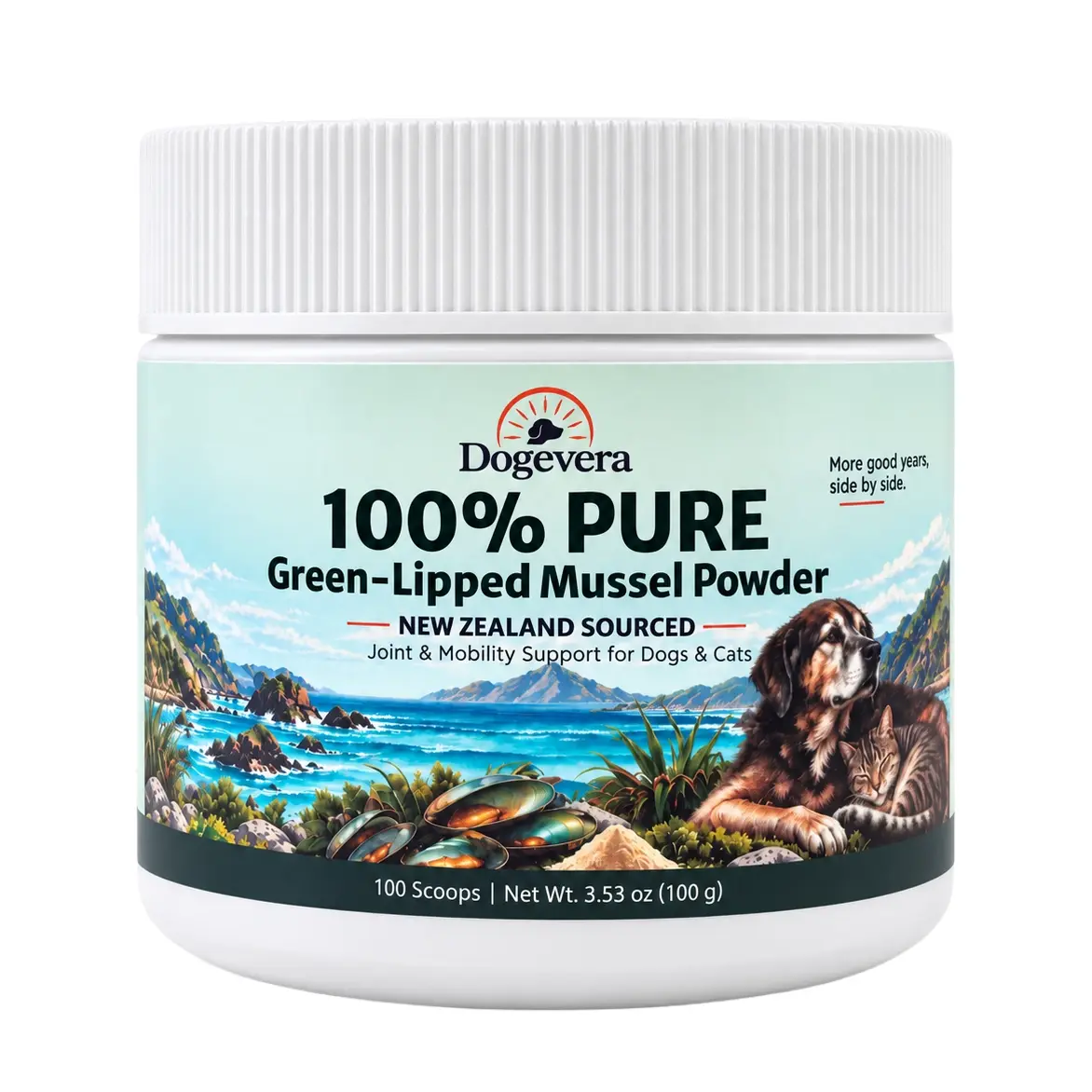
Put this into practice
Daily joint support for senior dogs
100% New Zealand Green-Lipped Mussel Powder for Dogs4.5142 reviews
- 100% New Zealand green-lipped mussel. No fillers, no blends.
- Naturally rich in ETA omega-3s and GAGs for hips and joints
- One scoop on food, dosed by your dog’s weight
Black Friday40% off your first subscription order
Free shipping · 100-day money-back guarantee