TL;DR
The classic signs of diabetes in dogs are drinking much more, peeing much more, eating more yet losing weight, and, within months, cloudy eyes from cataracts. Diabetes in dogs is almost always the insulin-dependent type, so it is treated with insulin injections twice a day, a consistent diet and regular monitoring. In a UK study of 439 diabetic dogs, about 1 in 300 dogs (0.34%) had diabetes. Yorkshire Terriers had higher odds; German Shepherds and Golden Retrievers had lower odds; being overweight, neutered males, and dogs with pancreatitis, Cushing's disease or urinary infections were more likely to be diagnosed. Cataracts are the most common complication: in 200 diabetic dogs, half had cataracts by about 6 months after diagnosis and 80% by 16 months. With good control, many diabetic dogs live a normal, happy life.
Signs of diabetes in dogs
| Sign | What you might notice |
|---|---|
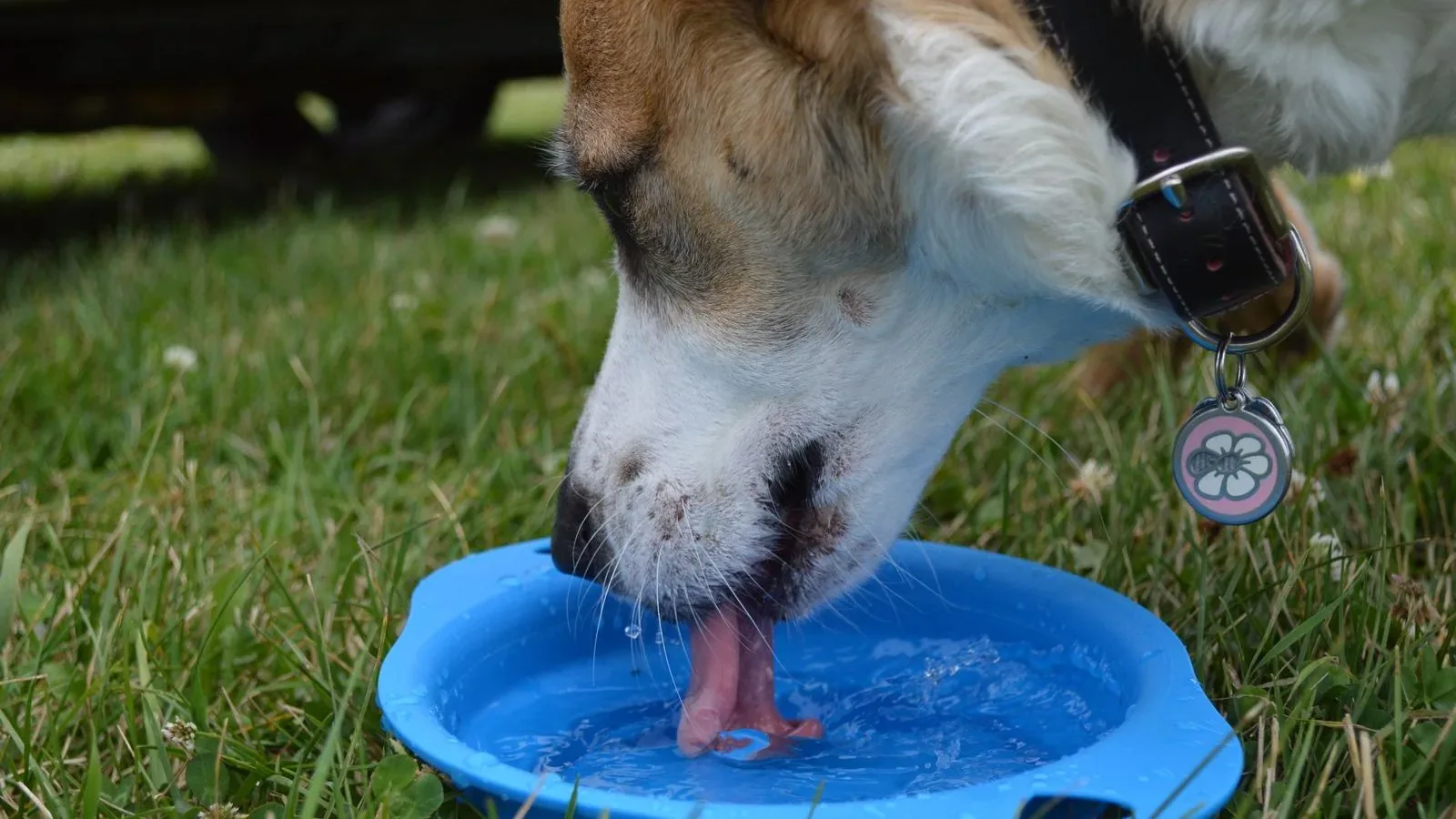
| Drinking more | Emptying the water bowl, drinking from puddles or the toilet |
| Peeing more | Larger puddles, asking out at night, accidents |
| Eating more | Always hungry, begging, scavenging |
| Weight loss | Losing weight despite eating well, often loss of muscle over the back |
| Cloudy eyes | Cataracts, sometimes appearing in weeks |
| Tiredness | Sleeping more, less keen on walks |
| Recurring infections | Urinary infections and skin infections |
Increased thirst and urination are the signs owners notice first. Measure how much your dog drinks over 24 hours: a large rise is worth a vet visit.
Emergency: diabetic ketoacidosis
If diabetes goes unnoticed, the body starts breaking down fat for energy and toxic ketones build up. Signs are vomiting, not eating, weakness, fast breathing and a sweet, nail-polish smell on the breath. This is an emergency.
Which dogs get diabetes?
In the UK study of 439 cases in primary-care practice:
- Yorkshire Terriers had increased odds compared with crossbreeds.
- German Shepherds and Golden Retrievers had lower odds.
- Neutered males were at increased risk compared with entire males; neutering made no difference in females.
- Overweight dogs were more likely to be diagnosed.
- Dogs with pancreatitis, Cushing's disease or a urinary infection were more likely to have diabetes.
In unspayed females, the hormone changes of the heat cycle can trigger diabetes, and spaying can sometimes reverse it if done early.
Diabetes is closely linked to two other conditions: see pancreatitis in dogs and Cushing's disease in dogs.
Diabetes and cataracts
High blood sugar draws water into the lens of the eye, which turns it cloudy. In a study of 200 diabetic dogs:
- 50% had developed cataracts by 170 days after diagnosis.
- 75% by 370 days.
- 80% by 470 days, about 16 months.
Diabetic cataracts can form quickly and cause sudden blindness. Cataract surgery works well in many diabetic dogs once the diabetes is stable. See cataracts in dogs.
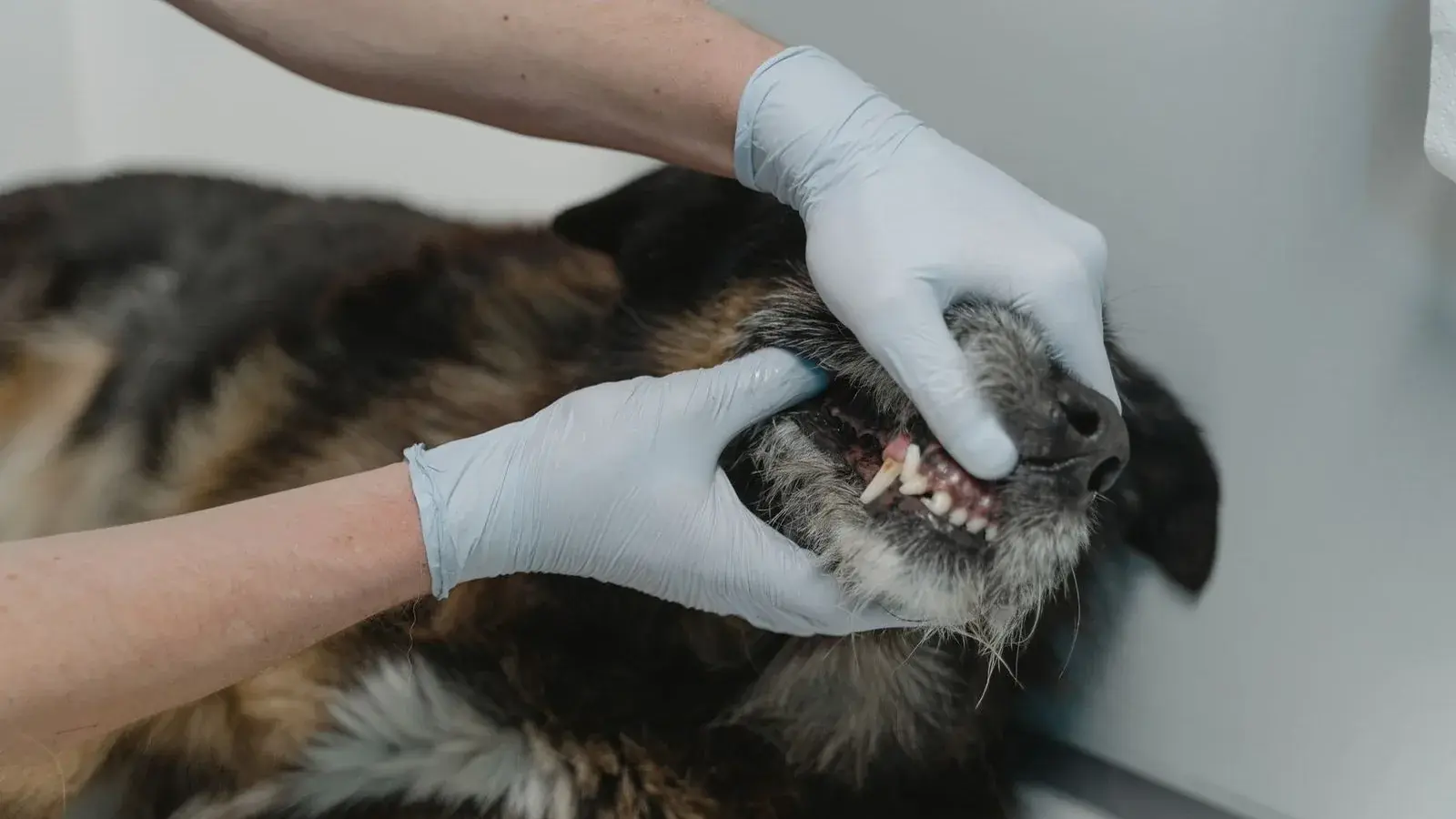
How vets diagnose diabetes
- Blood glucose: persistently high blood sugar.
- Urine test: sugar in the urine, and ketones in more serious cases.
- Fructosamine: a blood test reflecting average blood sugar over the past couple of weeks, which helps rule out a one-off stress spike.
- Screening for related conditions: pancreatitis, Cushing's disease and urinary infections.
Treatment
Insulin
Dogs need insulin injections, usually twice a day after meals. The needles are tiny and most dogs barely notice. Your vet will adjust the dose over several weeks using blood glucose curves or a continuous glucose sensor.
Diet and routine
- Same food, same amount, same times every day, so insulin matches food.
- A diet with more fiber and fewer simple sugars helps smooth blood sugar.
- Get overweight dogs to a healthy weight slowly. See senior dog food for weight loss.
- Steady daily exercise at a similar level each day.
Watch for low blood sugar
Too much insulin causes wobbliness, trembling, confusion or seizures. Rub a little honey or syrup on the gums and call your vet. Never give insulin to a dog that has not eaten without asking your vet first.
Survival
In the UK study, older age at diagnosis and having pancreatitis were linked to a higher risk of death, while insured and neutered dogs did better. The first weeks of close monitoring, while the insulin dose is being set, matter most.
Can you prevent diabetes in dogs?
Not entirely, but you can lower the risk:
- Keep your dog lean. Overweight dogs were more likely to be diagnosed.
- Avoid fatty food and scraps to reduce the risk of pancreatitis.
- Spay females if you are not breeding, after discussing timing with your vet.
- Yearly blood and urine tests in middle-aged and older dogs, especially Yorkshire Terriers and other small breeds. See Yorkshire Terrier lifespan.
FAQ
What are the first signs of diabetes in dogs?
Drinking and peeing much more than usual, often with a bigger appetite and weight loss.
Can diabetes in dogs be cured?
Usually not; it is lifelong. In unspayed females whose diabetes is triggered by the heat cycle, early spaying can sometimes lead to remission.
How long do dogs live with diabetes?
Many live for years with good control. Dogs diagnosed at an older age or with pancreatitis had a higher risk of death in a UK study.
Do all diabetic dogs go blind?
Most develop cataracts: 80% within about 16 months in one study. Cataract surgery can restore vision in many dogs once the diabetes is stable.
Which dog breeds get diabetes?
Yorkshire Terriers had higher odds in a UK study. Overweight dogs and neutered males were also at higher risk.
References
- Mattin M, et al. An epidemiological study of diabetes mellitus in dogs attending first opinion practice in the UK. Veterinary Record. 2014. PMID: 24570406
- Beam S, Correa MT, Davidson MG. A retrospective-cohort study on the development of cataracts in dogs with diabetes mellitus: 200 cases. Veterinary Ophthalmology. 1999. PMID: 11397260
For individual health questions, your veterinarian remains the best partner.