TL;DR
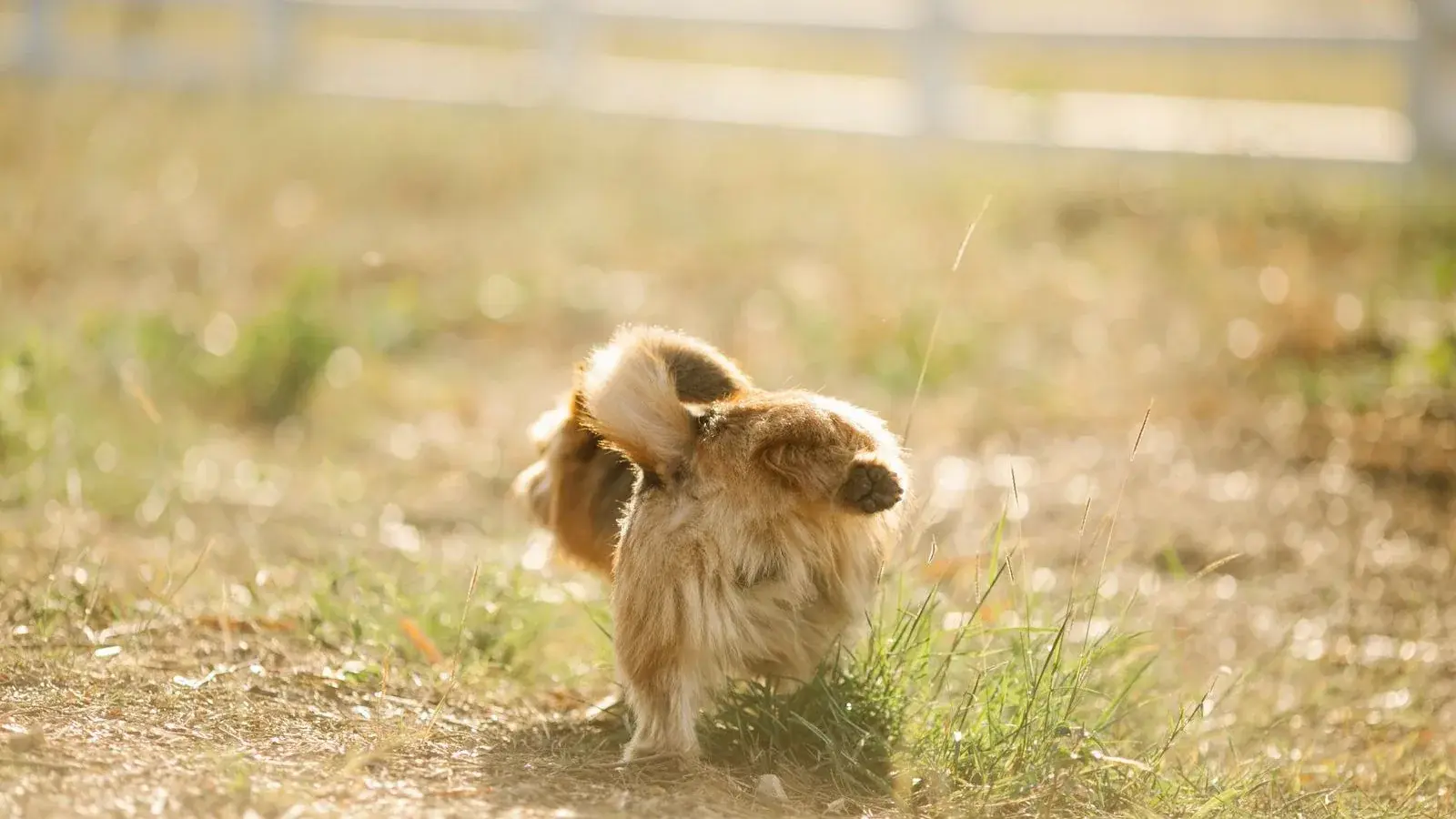
The main symptoms of pancreatitis in dogs are vomiting, not eating, weakness, a painful belly, diarrhea and dehydration. Many dogs stand in a "prayer position", front end down and back end up, because the belly hurts. In 70 dogs with severe (fatal) pancreatitis, 97% were dehydrated, 58% had belly pain and 43% were overweight or obese. The biggest everyday trigger is food: dogs that had eaten unusual food items had 4 to 6 times the odds of pancreatitis, and table scraps in the week before also raised the risk. Miniature Schnauzers and Yorkshire Terriers are at higher risk. Treatment is fluids, anti-nausea medicine, pain relief and early feeding, and most dogs survive. Vomiting more than once with a sore belly or refusal to eat needs a same-day vet visit.
Symptoms of pancreatitis in dogs
| Symptom | What it looks like |
|---|---|
| Vomiting | Often repeated, sometimes after every meal or drink |
| Not eating | Refusing food, even favorites |
| Belly pain | Hunched back, "prayer position", flinching when the belly is touched |
| Weakness and lethargy | Lying still, unwilling to walk |
| Diarrhea | Sometimes with blood |
| Dehydration | Dry, sticky gums; skin slow to fall back when lifted |
| Fever | Feels hot, shivering |
| Yellow gums or eyes | Jaundice, in more severe cases |
In the 70-dog study of fatal pancreatitis at a US teaching hospital, the signs at the first exam were:
- Dehydration: 97%
- Belly pain: 58%
- Overweight or obese: 43%
- Fever: 32%
- Jaundice: 26%
The study's main lesson was that signs and blood results vary a lot from dog to dog, which is why vets often need several tests to be sure. Mild cases can look like a simple upset stomach.
Acute vs chronic pancreatitis
- Acute pancreatitis comes on suddenly and can be mild or life-threatening.
- Chronic pancreatitis is low-grade inflammation that flares up again and again, often with vague signs such as poor appetite, occasional vomiting or soft stool.
Repeated flare-ups can damage the pancreas over time, so dogs that have had one episode need long-term diet care.
What causes pancreatitis in dogs?
Most cases have no single clear cause, but a 2022 expert review and several case-control studies point to these risk factors.
Food
In a study comparing 198 dogs with pancreatitis against 187 dogs without it:
- Eating unusual food items raised the odds 4.3 times (from medical records) and 6.1 times (from owner interviews).
- Eating table scraps in the week before diagnosis also raised the odds.
Think of the rubbish bin, a barbecue, a holiday roast or a plate left on the coffee table.
Weight and other diseases
In 70 dogs with fatal pancreatitis compared with 104 dogs without it, risk was higher with:
- Overweight body condition
- Diabetes, Cushing's disease and an underactive thyroid
- Previous gut disease and epilepsy
- Being middle-aged or older
Breed
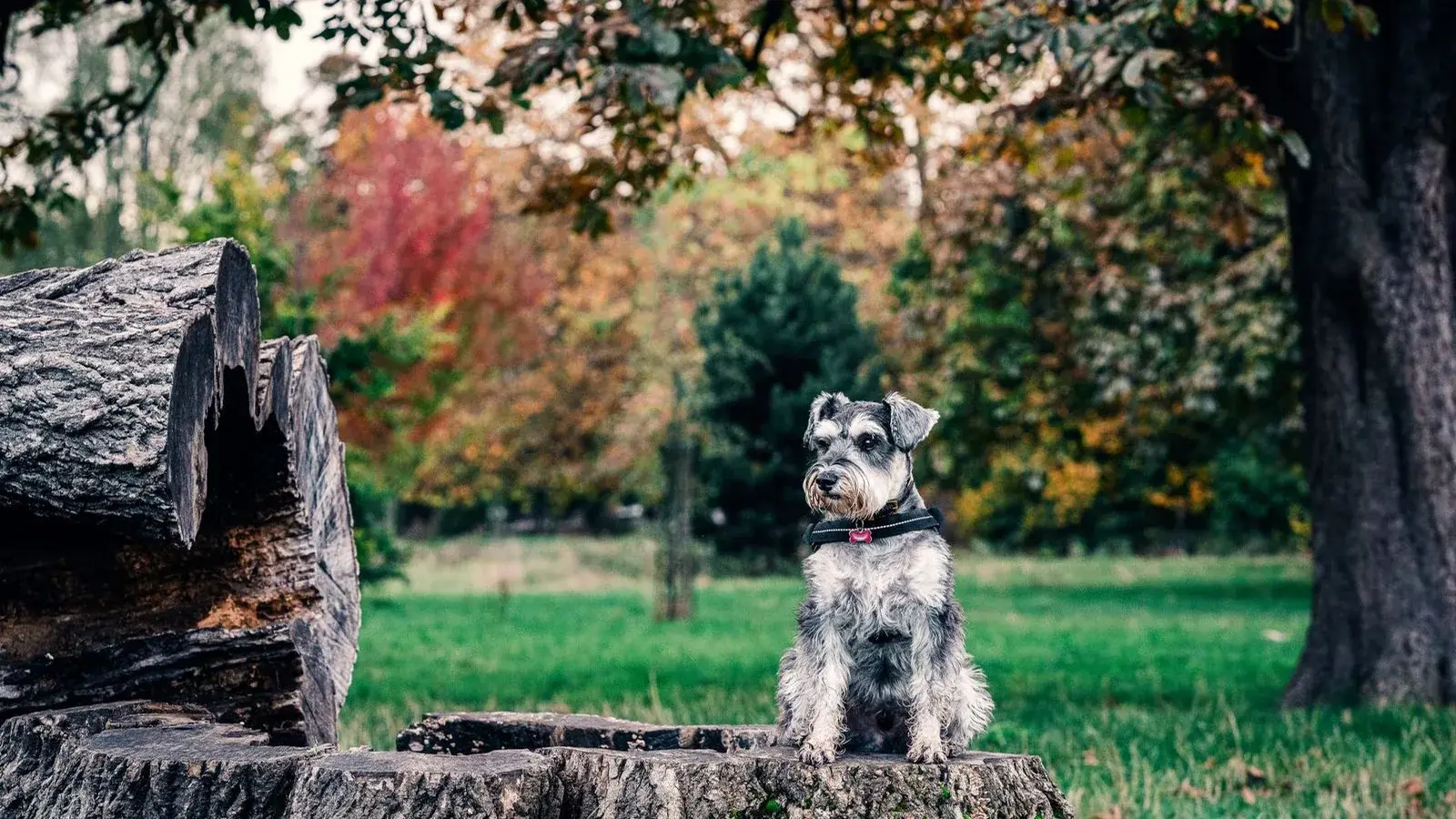
- Miniature Schnauzers often have high blood fats (triglycerides). In one study 32.8% of healthy Schnauzers had high triglycerides, and Schnauzers with a past episode of pancreatitis were 5 times more likely to have them (71% versus 33%). See Miniature Schnauzer lifespan.
- Yorkshire Terriers were at increased risk of fatal pancreatitis in the US study, while Labradors and Miniature Poodles were at lower risk.
A small-animal vet Morty has known for years, who asked us not to use their name, sees the Schnauzer pattern all the time: "Pancreatitis and bladder stones are both common in Schnauzers."
How vets diagnose it
- Physical exam: belly pain, dehydration, fever.
- Pancreatic lipase test (cPL or Spec cPL): a blood test specific to the pancreas; a quick in-clinic version exists.
- Abdominal ultrasound: in the 70-dog study, ultrasound was consistent with pancreatitis in 68% of dogs scanned, against 24% for X-rays.
- General blood tests to check hydration, liver, kidneys, blood sugar and blood fats.
Treatment
There is no single cure, so treatment supports the dog while the pancreas settles:
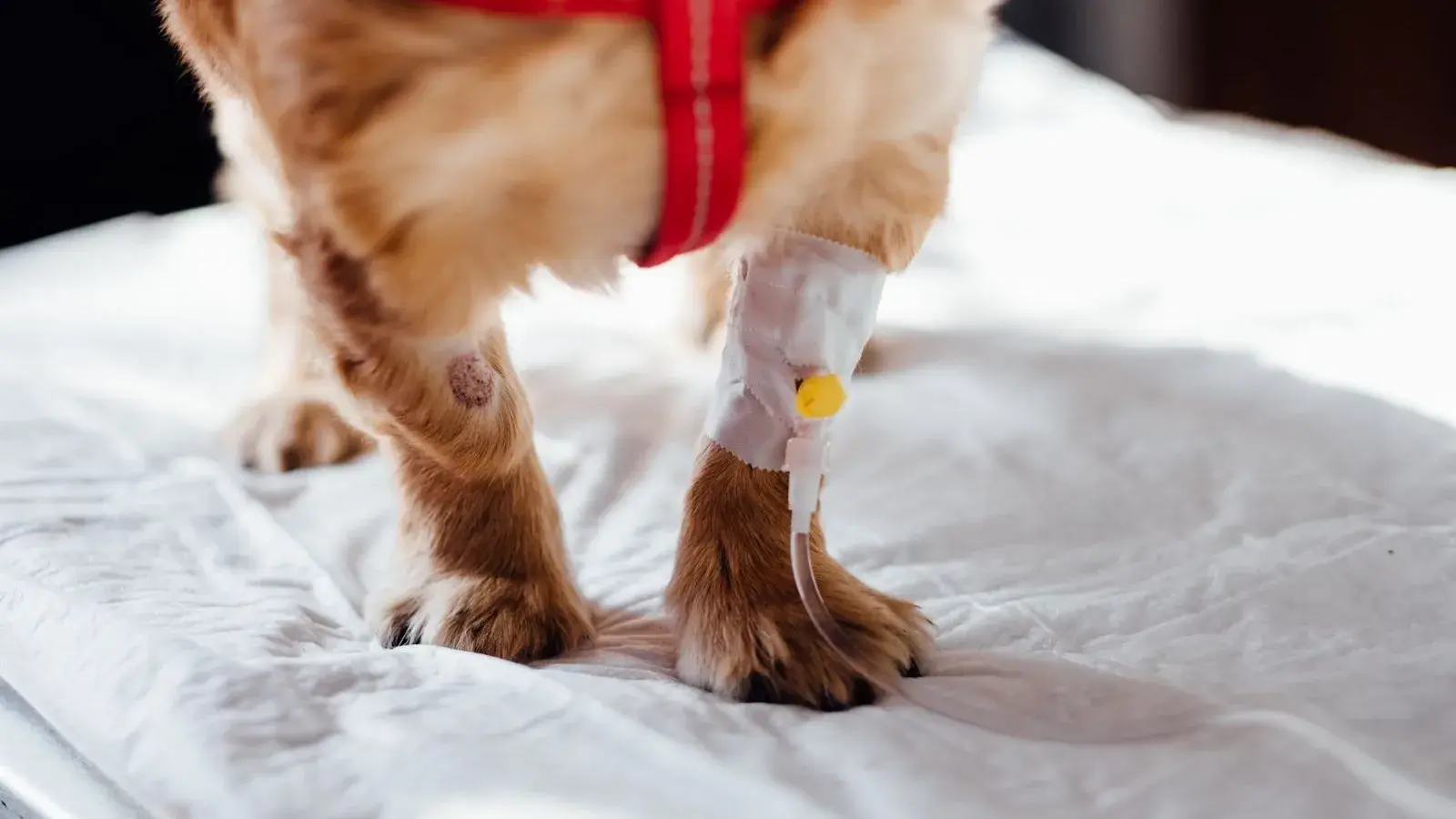
- Fluids, usually through a drip, to correct dehydration.
- Anti-nausea medicine to stop the vomiting.
- Pain relief. Pancreatitis is painful, and good pain control matters.
- Early feeding of a low-fat, easily digested food as soon as the dog can keep it down.
- Fuzapladib (sold as Panoquell-CA1 in the US) is the first drug made specifically for acute pancreatitis in dogs. In a randomized, placebo-controlled trial of 61 dogs, treated dogs had a significantly larger improvement in their clinical score after 3 days (-7.75 versus -5.68), and the drug was well tolerated.
In a 2025 study of 504 dogs treated for acute pancreatitis at several US hospitals, the authors noted a low death rate, and warned that scoring systems predicting death should be read with caution. Most dogs that get prompt care recover.
Preventing pancreatitis
- No fatty table scraps, and keep rubbish bins dog-proof.
- Keep your dog lean. Overweight dogs had higher risk. See senior dog food for weight loss.
- Feed a complete diet that is not high in fat, especially for Schnauzers and dogs that have had pancreatitis before. Your vet may advise a prescription low-fat diet.
- Check blood fats at senior blood tests in high-risk breeds.
- Manage other diseases such as diabetes, Cushing's and thyroid disease.
- Change foods gradually. See senior dog food for sensitive stomachs.
FAQ
What are the first signs of pancreatitis in dogs?
Usually vomiting and refusing food, often with a hunched back or "prayer position" because the belly hurts. Weakness and diarrhea are common too.
What triggers pancreatitis in dogs?
Most often a fatty or unusual meal: dogs that ate unusual food items had 4 to 6 times the odds of pancreatitis in one study. Obesity, diabetes, Cushing's disease and high blood fats also raise the risk.
Can a dog recover from pancreatitis?
Yes. Most dogs recover with fluids, anti-nausea medicine, pain relief and early low-fat feeding. Severe cases need hospital care, and dogs that have had one episode need long-term diet care.
Which dog breeds get pancreatitis?
Miniature Schnauzers, because many have high blood fats, and Yorkshire Terriers were at higher risk in a US study. Any overweight, middle-aged or older dog is at increased risk.
What should a dog with pancreatitis eat?
A low-fat, easily digested food, introduced as soon as the dog can keep food down, then a complete low-fat diet long term. Avoid fatty treats and table scraps.
References
- Hess RS, et al. Clinical, clinicopathologic, radiographic, and ultrasonographic abnormalities in dogs with fatal acute pancreatitis: 70 cases (1986-1995). Journal of the American Veterinary Medical Association. 1998. PMID: 9731261
- Hess RS, et al. Evaluation of risk factors for fatal acute pancreatitis in dogs. Journal of the American Veterinary Medical Association. 1999. PMID: 9887939
- Lem KY, et al. Associations between dietary factors and pancreatitis in dogs. Journal of the American Veterinary Medical Association. 2008. PMID: 18980495
- Cridge H, et al. New insights into the etiology, risk factors, and pathogenesis of pancreatitis in dogs: potential impacts on clinical practice. Journal of Veterinary Internal Medicine. 2022. PMID: 35546513
- Steiner JM, et al. Fuzapladib in a randomized controlled multicenter masked study in dogs with presumptive acute onset pancreatitis. Journal of Veterinary Internal Medicine. 2023. PMID: 37811705
- Cridge H, et al. Multi-institutional retrospective analysis of prognostic scoring systems for dogs with acute pancreatitis (504 dogs). Journal of Veterinary Internal Medicine. 2025. PMID: 40326083
- Xenoulis PG, et al. Investigation of hypertriglyceridemia in healthy Miniature Schnauzers. Journal of Veterinary Internal Medicine. 2007. PMID: 18196730
- Xenoulis PG, et al. Serum triglyceride concentrations in Miniature Schnauzers with and without a history of probable pancreatitis. Journal of Veterinary Internal Medicine. 2011. PMID: 21143300
For individual health questions, your veterinarian remains the best partner.