TL;DR
Bladder stones in dogs are hard mineral lumps that form in the urine. They cause straining, frequent small pees, blood in the urine and accidents, the same signs as a urinary infection. The two main types are calcium oxalate and struvite, which made up 47.0% and 43.6% of more than 10,000 dog stones analyzed at UC Davis. The type decides the treatment: struvite stones can often be dissolved with a prescription diet and antibiotics (fully dissolved in 58% of 50 dogs, in a median of 35 days), while calcium oxalate stones cannot be dissolved and must be removed. Calcium oxalate stones are most common in middle-aged and older male dogs, overweight dogs and small breeds such as Miniature Schnauzers, Yorkshire Terriers, Bichon Frises, Shih Tzus and Poodles. A dog straining with no urine coming out is an emergency.
Symptoms of bladder stones in dogs
| Symptom | What you might notice |
|---|---|
| Straining | Squatting or lifting the leg repeatedly, little comes out |
| Peeing often | Many short trips, waking you at night |
| Blood in urine | Pink, red or brown urine, often at the end of the stream |
| Accidents | Leaking or peeing indoors in a house-trained dog |
| Licking | Frequent licking of the genitals |
| Recurring UTIs | Infections that come back after antibiotics |
| No symptoms | Some stones are found by chance on an X-ray or scan |
Emergency: blocked urethra
A small stone can pass from the bladder and lodge in the urethra, especially in male dogs, whose urethra is long and narrow. A dog that strains and produces only drops or nothing at all, has a painful belly, vomits or becomes lethargic needs a vet now. A blocked bladder can rupture, and blood potassium can rise to levels that affect the heart.
Types of bladder stones
| Type | Share of stones (UC Davis, 2006 to 2018) | Who gets them | Can it dissolve? |
|---|---|---|---|
| Calcium oxalate | 47.0% | Older, male, overweight and small-breed dogs | No |
| Struvite | 43.6% | Mostly females; usually linked to bladder infection | Often yes |
| Cystine | 2.7%, rising to 8.7% by 2018 | 70.3% from intact males | Sometimes, with medication |
| Urate and others | Smaller share | Dalmatians and dogs with liver shunts | Sometimes |
A study of 1,162 stones in Ireland found the same pattern: struvite stones were 8.7 times more likely in females, while calcium oxalate stones were 9.6 times more likely in males and 4.1 times more likely in dogs over 7. Calcium oxalate is becoming more common there over time.
Which dogs get bladder stones?
In a case-control study of 1,074 dogs with calcium oxalate stones:
- Risk was highest in 8 to 12-year-old castrated males and increased with age.
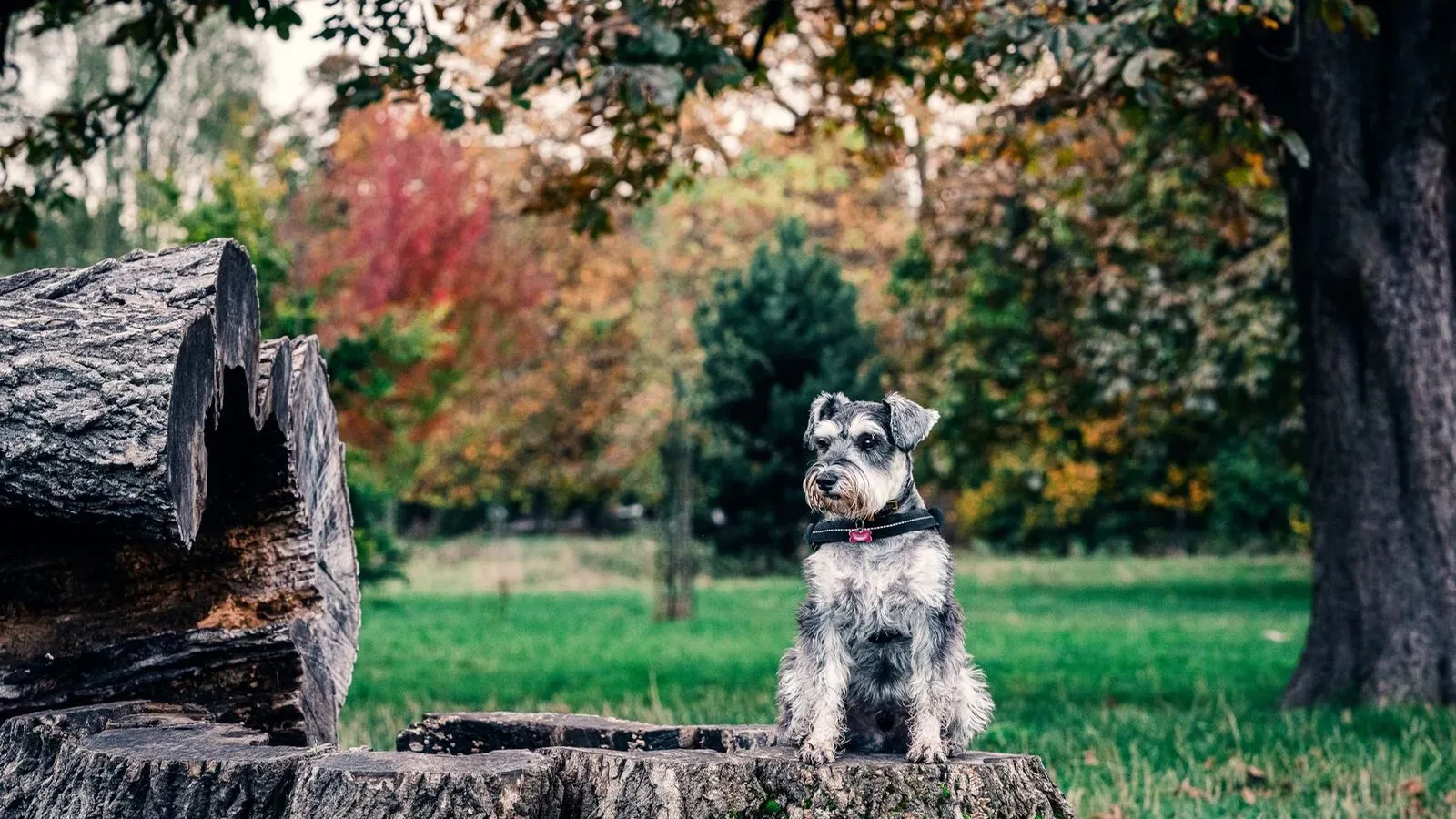
- Miniature and Standard Schnauzers, Lhasa Apsos, Yorkshire Terriers, Bichon Frises, Shih Tzus and Miniature and Toy Poodles had higher risk.
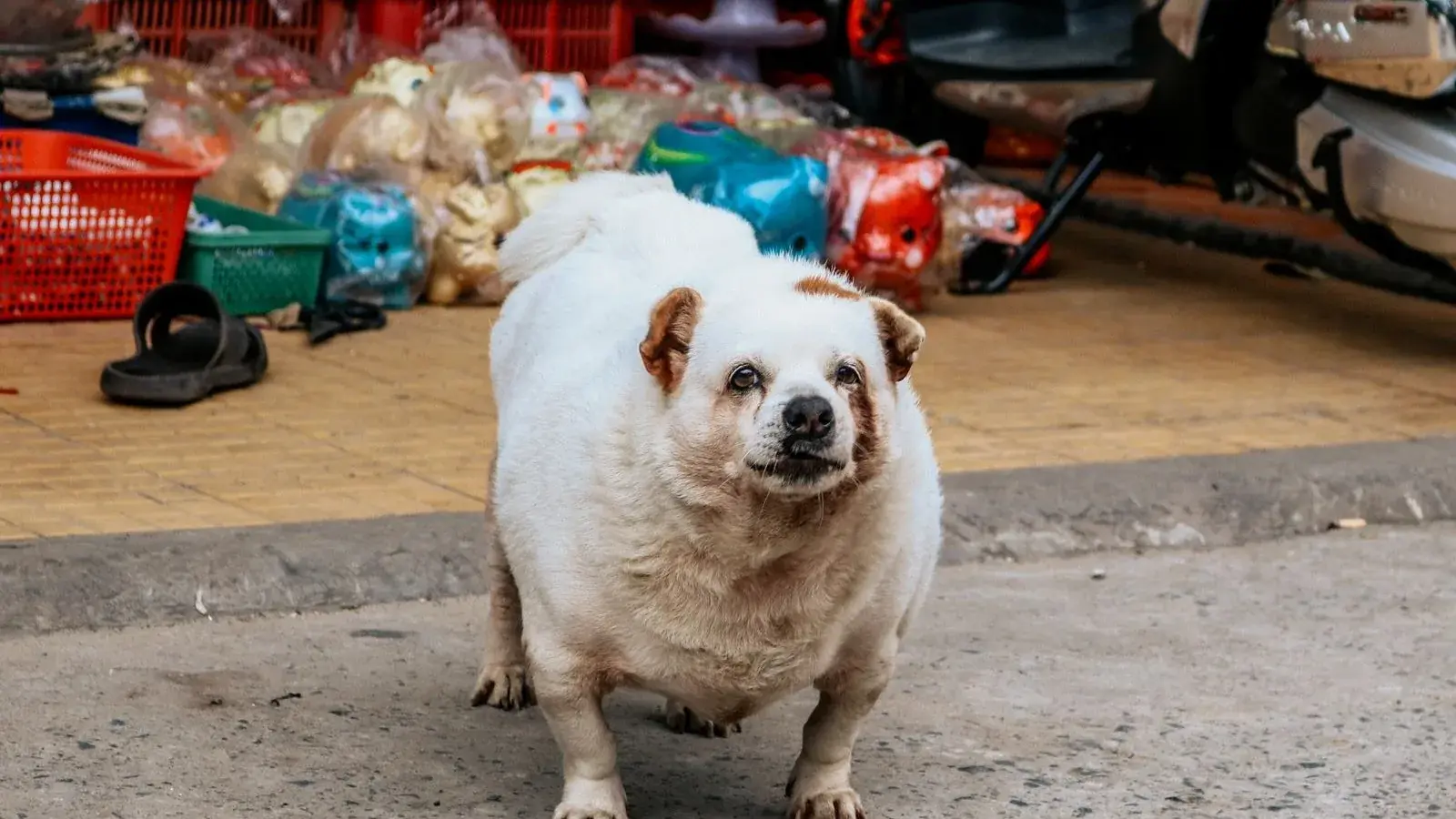
- Overweight dogs had higher risk.
A small-animal vet Morty has known for years, who asked us not to use their name, sees Schnauzers with stones regularly and puts prevention plainly: "Once a stone has formed, it most likely needs surgery; it will not go away on its own. Prevent it: plenty of water, plenty of exercise, and don't make them hold their urine." See Miniature Schnauzer lifespan, Yorkshire Terrier lifespan, Shih Tzu lifespan and Poodle lifespan.
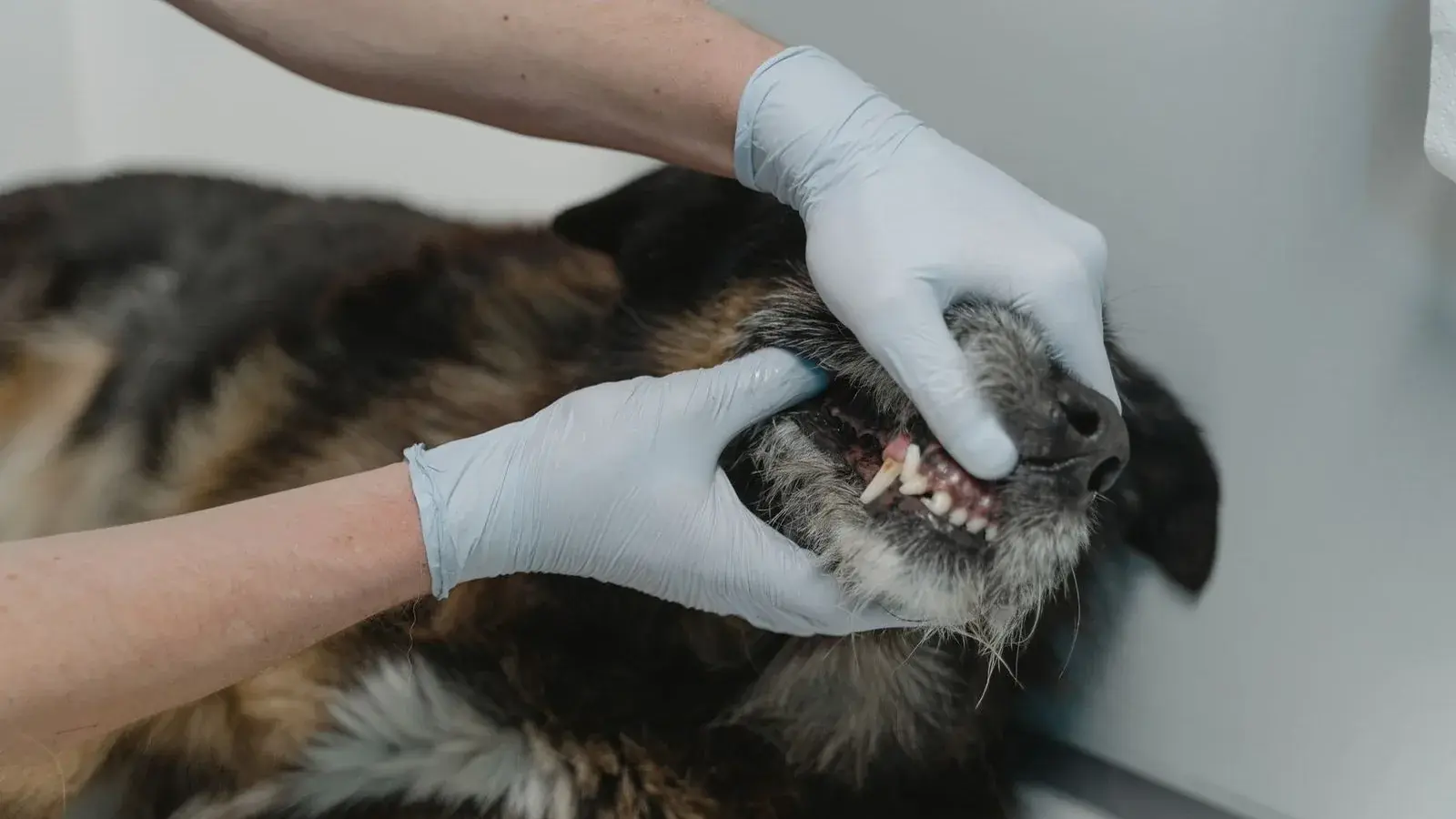
How vets diagnose bladder stones
- Urine test and culture, to check for crystals, blood and infection.
- X-rays, which show calcium oxalate and struvite stones well.
- Ultrasound, which finds stones X-rays can miss and checks the kidneys.
- Stone analysis after removal, which is the only way to know the type for certain and plan prevention.
Crystals in a urine sample are not the same as stones, and they can form in a sample that sits before testing.
Treatment
Dissolving struvite stones
In a study of 50 dogs fed a prescription dissolution diet, stones fully dissolved in 58%, in a median of 35 days. Dogs that also received antibiotics were far more likely to succeed. If stones have not shrunk at all after about a month, they are probably not pure struvite, and another option is needed. Dogs that are already blocked are not candidates for dissolution.
Removing stones
Calcium oxalate stones, mixed stones and stones causing blockage are removed by:
- Surgery to open the bladder (cystotomy).
- Minimally invasive methods, at some referral centers: flushing small stones out under anesthesia, removing them with a camera, or breaking them up with a laser.
The ACVIM consensus statement on stones in dogs and cats encourages these less invasive approaches where available.
Preventing stones from coming back
Stones often recur, so prevention matters as much as removal.
- More water. Dilute urine is the main defense. Feed wet food, add water to meals and keep fresh water in several places.
- More chances to pee. Do not make your dog hold its urine for long hours.
- Keep your dog lean. Overweight dogs had higher risk of calcium oxalate stones. See senior dog food for weight loss.
- Feed the prevention diet your vet recommends for the stone type, and avoid adding high-oxalate snacks or extra calcium without advice.
- Recheck urine and imaging every few months, so small new stones can be flushed out before they need surgery.
- Treat infections fully. See dog UTI symptoms.
Kidney stones in dogs
Stones can also form in the kidneys or ureters. Many cause no signs and are found by chance. A stone that blocks a ureter can cause sudden pain, vomiting and kidney damage, and needs urgent care. See kidney disease in dogs.
FAQ
What are the symptoms of bladder stones in dogs?
Straining, peeing often in small amounts, blood in the urine, accidents and licking the genitals. Some dogs show no signs.
Can bladder stones in dogs dissolve on their own?
No. Struvite stones can often be dissolved with a prescription diet and antibiotics, usually over about a month. Calcium oxalate stones cannot be dissolved and must be removed.
Which dog breeds get bladder stones?
Miniature Schnauzers, Yorkshire Terriers, Bichon Frises, Shih Tzus, Lhasa Apsos and Miniature and Toy Poodles are at higher risk of calcium oxalate stones. Dalmatians are prone to urate stones.
Is a bladder stone an emergency?
A dog that strains but cannot pass urine is an emergency, because the urethra may be blocked. Other stones need a vet visit soon but not usually the same day.
How can I prevent bladder stones in my dog?
Increase water intake, give plenty of chances to pee, keep your dog lean and feed the diet your vet recommends for the stone type.
References
- Kopecny L, et al. Urolithiasis in dogs: evaluation of trends in urolith composition and risk factors (2006-2018). Journal of Veterinary Internal Medicine. 2021. PMID: 33960543
- Wingert AM, et al. Efficacy of medical dissolution for suspected struvite cystoliths in dogs. Journal of Veterinary Internal Medicine. 2021. PMID: 34469023
- Stavroulaki EM, et al. Trends in urolith composition and factors associated with different urolith types in dogs from the Republic of Ireland and Northern Ireland between 2010 and 2020. Journal of Small Animal Practice. 2024. PMID: 37800280
- Lekcharoensuk C, et al. Patient and environmental factors associated with calcium oxalate urolithiasis in dogs. Journal of the American Veterinary Medical Association. 2000. PMID: 10953715
- Lulich JP, et al. ACVIM Small Animal Consensus Recommendations on the Treatment and Prevention of Uroliths in Dogs and Cats. Journal of Veterinary Internal Medicine. 2016. PMID: 27611724
For individual health questions, your veterinarian remains the best partner.