TL;DR
The main symptoms of kidney disease in dogs are drinking and peeing more, weight loss, poor appetite, vomiting, bad breath, lethargy and, later, muscle wasting. Chronic kidney disease (CKD) develops slowly in older dogs, and by the time signs appear much of the kidney function is already gone. In a UK study of 107,214 dogs, the signs most linked to a CKD diagnosis were bad breath, weight loss, increased thirst and urination, urinary incontinence, vomiting, poor appetite, lethargy and diarrhea. Cocker Spaniels and Cavalier King Charles Spaniels were at higher risk, and median survival after diagnosis was 226 days, much shorter in later stages. Early detection is the key: the SDMA blood test picked up loss of kidney function earlier than creatinine, on average before 20% of function was lost. A kidney diet reduced uremic crises and deaths in a randomized trial.
Symptoms of kidney disease in dogs
| Stage | Signs you might notice |
|---|---|
| Early | Often none; sometimes drinking and peeing a little more |
| Middle | Clearly more thirst and urination, accidents at night, weight loss, fussy appetite |
| Late | Vomiting, refusing food, bad breath that smells like ammonia, mouth ulcers, lethargy, muscle wasting, pale gums |
In the UK study, the clinical signs significantly linked to a CKD diagnosis were:
- Halitosis (bad breath)
- Weight loss
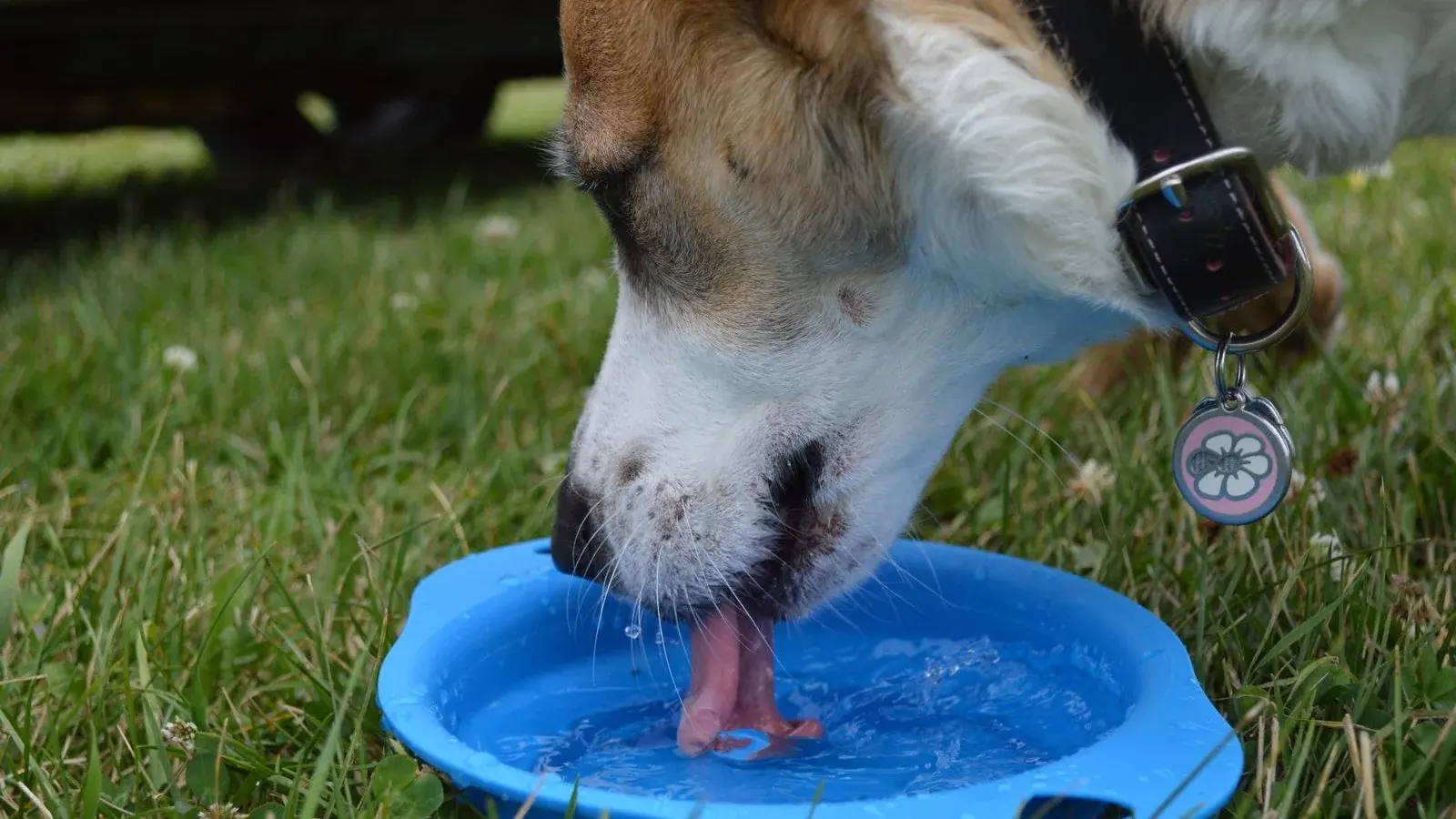
- Polyuria and polydipsia (peeing and drinking more)
- Urinary incontinence
- Vomiting
- Decreased appetite
- Lethargy
- Diarrhea
Many of these look like normal ageing, which is why blood and urine tests at senior check-ups matter. Pale gums in later stages come from anemia, because failing kidneys make less of the hormone that drives red blood cell production. See pale gums in dogs.
Acute kidney injury is different
Sudden kidney failure can follow poisoning (grapes and raisins, antifreeze, certain human painkillers), infection such as leptospirosis, or a blocked urethra. Signs come on over hours to days. Suspected poisoning is an emergency, even before signs appear.
Which dogs get kidney disease?
In the UK study of 107,214 dogs:
- About 0.21% had a recorded CKD diagnosis, with the true figure estimated at 0.37%.
- Risk rose with age.
- Cocker Spaniels and Cavalier King Charles Spaniels had higher risk.
- Heart disease was a significant co-existing condition.
Earlier research has also linked CKD to small body size and dental disease. See Cocker Spaniel lifespan and Cavalier King Charles Spaniel lifespan.
How vets diagnose and stage kidney disease
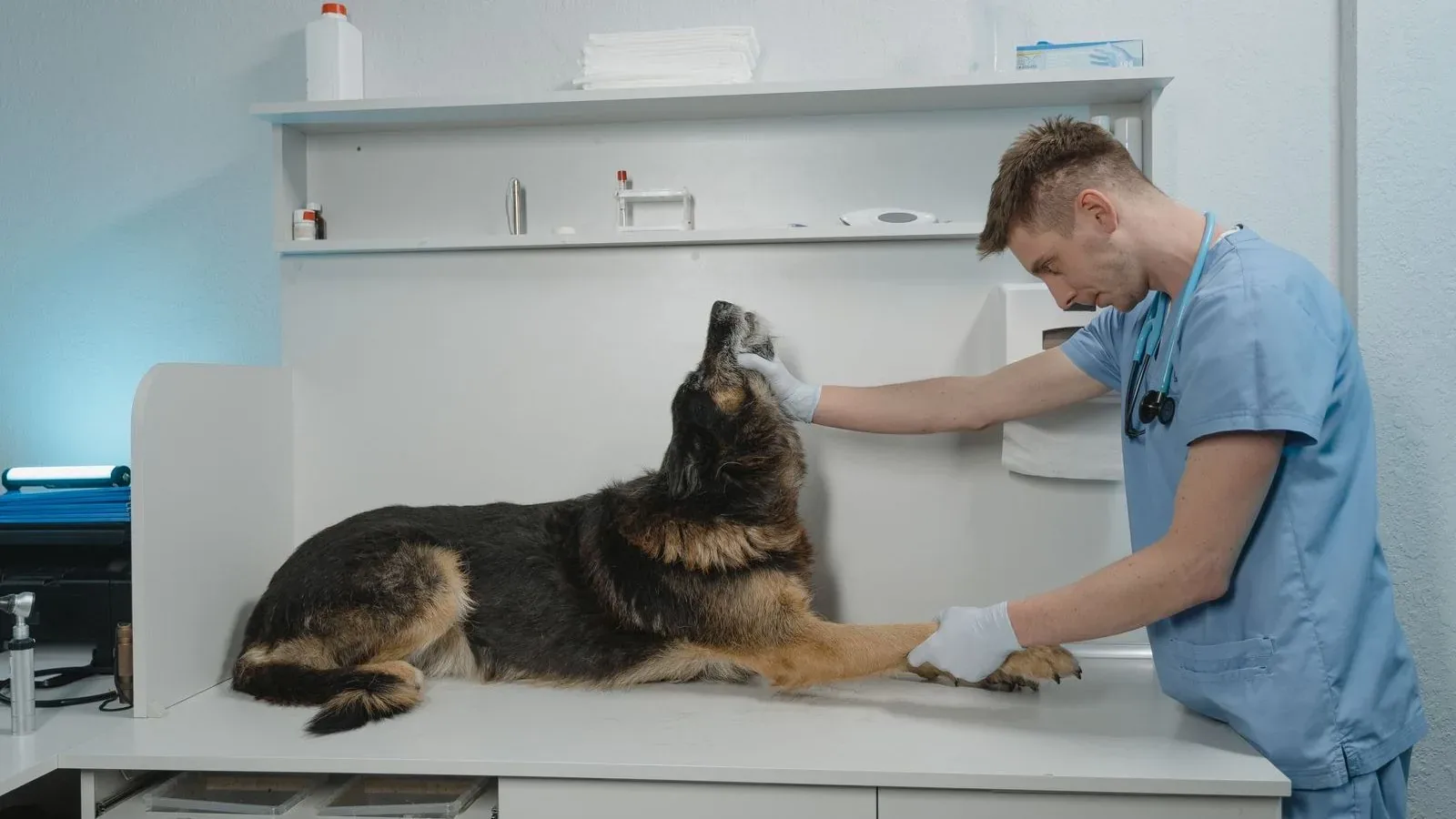
- Blood tests: creatinine, urea (BUN) and SDMA.
- Urine tests: urine concentration (specific gravity) and protein in the urine (urine protein:creatinine ratio).
- Blood pressure: high blood pressure both causes and results from kidney damage.
- Imaging: ultrasound of the kidneys.
Why SDMA matters
In a study following dogs with inherited kidney disease from health to end-stage failure, SDMA rose earlier than creatinine, detecting on average a less than 20% drop in kidney filtration. Creatinine typically does not rise until much more function is lost, and it is also affected by muscle mass, which falls in older dogs.
IRIS stages
Vets use the International Renal Interest Society (IRIS) stages 1 to 4, based on creatinine and SDMA, then sub-stage by urine protein and blood pressure. Stage drives both treatment and outlook.
Outlook
- In the UK study, median survival from diagnosis was 226 days, and IRIS stage and BUN at diagnosis were linked to the risk of death.
- In a study of 27 dogs with CKD, survival times differed significantly between IRIS stages. Risk of death was higher with muscle wasting (2.3 times), high phosphorus (3.2 times), protein in the urine (3.2 times) and low body condition.
Dogs found in early stages, before they feel unwell, can live much longer with management.
Treatment
Kidney diet
A kidney (renal) diet is lower in phosphorus and has moderate, high-quality protein. In a double-masked randomized trial of 38 dogs with chronic kidney failure, dogs fed a renal diet for up to 24 months had fewer uremic crises, lower mortality and a slower decline in kidney function than dogs fed an adult maintenance food. Healthy senior dogs do not need protein restriction; this applies once kidney disease is diagnosed. See high-protein senior dog food.
Other treatment
- Fluids under the skin at home for dehydrated dogs.
- Phosphate binders if blood phosphorus stays high on diet alone.
- Blood pressure medication and medication to reduce protein loss in the urine.
- Anti-nausea medicine and appetite stimulants.
- Treating anemia in later stages.
Protect muscle and appetite
Because muscle wasting and low body condition predicted shorter survival, keeping your dog eating and keeping its muscle is part of treatment. Offer warmed food, small frequent meals, and talk to your vet early if appetite drops. See senior dog not eating.
What you can do
- Yearly blood and urine tests from middle age, including SDMA and urine protein, and twice-yearly for seniors.
- Measure water intake if you suspect your dog is drinking more.
- Keep fresh water available at all times.
- Keep grapes, raisins, antifreeze and human painkillers away from your dog.
- Look after the teeth. Dental disease has been linked to kidney disease. See how to brush your dog's teeth.
FAQ
What are the first signs of kidney disease in dogs?
Usually drinking and peeing more than usual, sometimes with weight loss or a fussier appetite. Many dogs show no signs early, so blood and urine tests are the best way to catch it.
How long can a dog live with kidney disease?
It depends on the stage. In a UK study, median survival from diagnosis was 226 days, but dogs diagnosed early, before they feel ill, often live much longer with treatment.
What should dogs with kidney disease eat?
A veterinary kidney diet, lower in phosphorus with moderate, high-quality protein. In a randomized trial, it reduced uremic crises and deaths.
Which dog breeds get kidney disease?
Cocker Spaniels and Cavalier King Charles Spaniels had higher risk in a UK study, and older and smaller dogs are generally more affected.
Is kidney disease in dogs painful?
Early disease is not usually painful. Later stages cause nausea, mouth ulcers and weakness, which treatment can ease.
References
- O'Neill DG, et al. Chronic kidney disease in dogs in UK veterinary practices: prevalence, risk factors, and survival. Journal of Veterinary Internal Medicine. 2013. PMID: 23647231
- Nabity MB, et al. Symmetric dimethylarginine assay validation, stability, and evaluation as a marker for the early detection of chronic kidney disease in dogs. Journal of Veterinary Internal Medicine. 2015. PMID: 26079532
- Rudinsky AJ, et al. Factors associated with survival in dogs with chronic kidney disease. Journal of Veterinary Internal Medicine. 2018. PMID: 30325060
- Jacob F, et al. Clinical evaluation of dietary modification for treatment of spontaneous chronic renal failure in dogs. Journal of the American Veterinary Medical Association. 2002. PMID: 11990962
For individual health questions, your veterinarian remains the best partner.