TL;DR
The main symptoms of Cushing's disease in dogs are drinking and peeing much more, a big appetite, a pot belly, thinning hair and skin, heavy panting and muscle weakness. It happens when the body makes too much cortisol, usually because of a small tumor in the pituitary gland (pituitary-dependent) and less often a tumor of the adrenal gland. It mostly affects middle-aged and older dogs. In a UK study of 905,544 dogs, about 1 in 600 (0.17%) had Cushing's; the Bichon Frise (6.2 times the odds), Border Terrier (5.4) and Miniature Schnauzer (3.1) were most at risk, while Golden and Labrador Retrievers were the least. Treatment is usually daily trilostane, an approved medicine: in a study of 43 dogs, untreated dogs had 5 times the risk of death of treated ones. In 219 UK dogs, median survival from diagnosis was 510 days, and dogs whose trilostane dose was adjusted upward did better.
Symptoms of Cushing's disease
| Symptom | What you might notice |
|---|---|
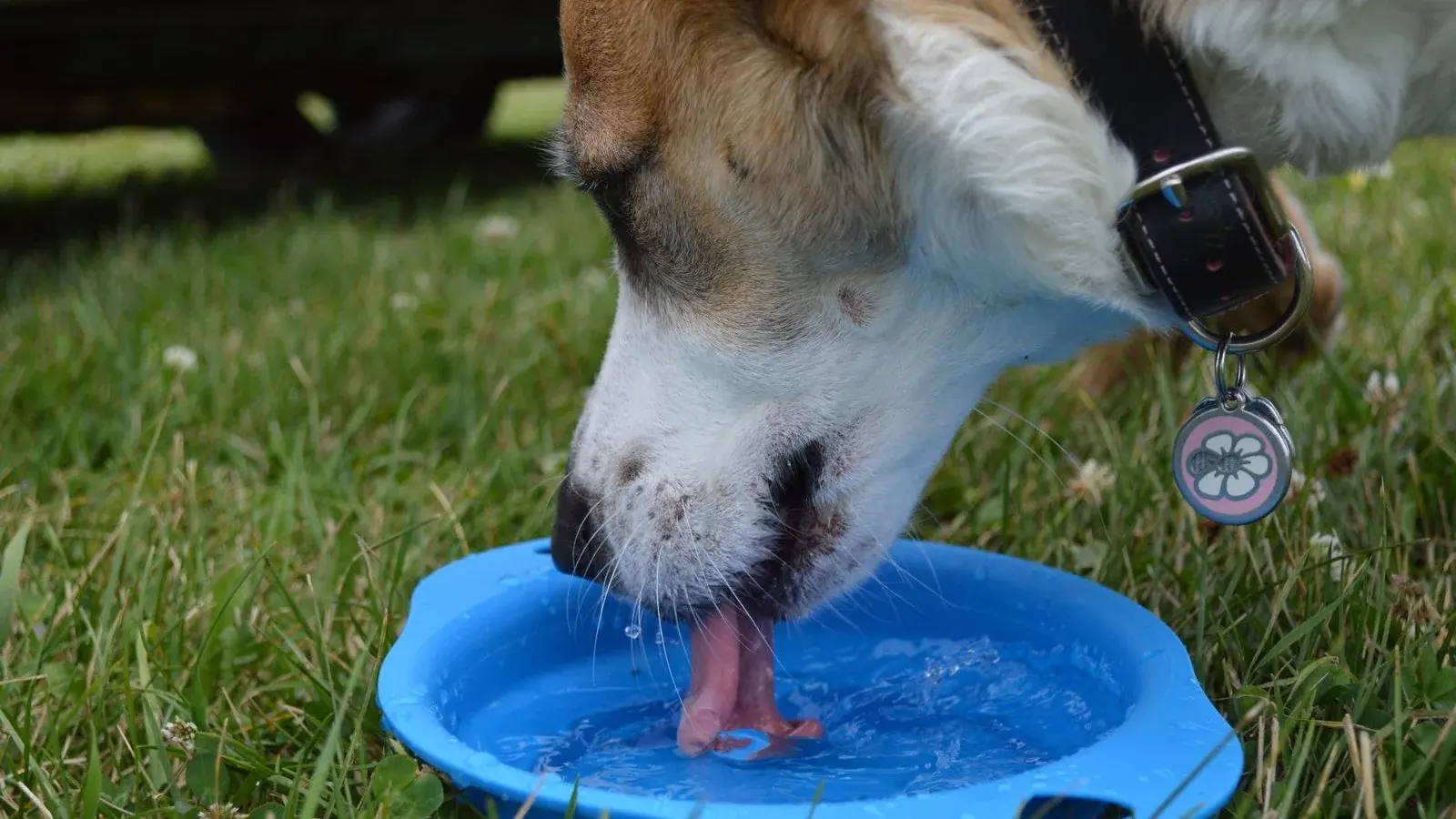
| Drinking more | Refilling the water bowl far more often |
| Peeing more | Accidents, needing out at night |
| Big appetite | Begging, stealing food, raiding bins |
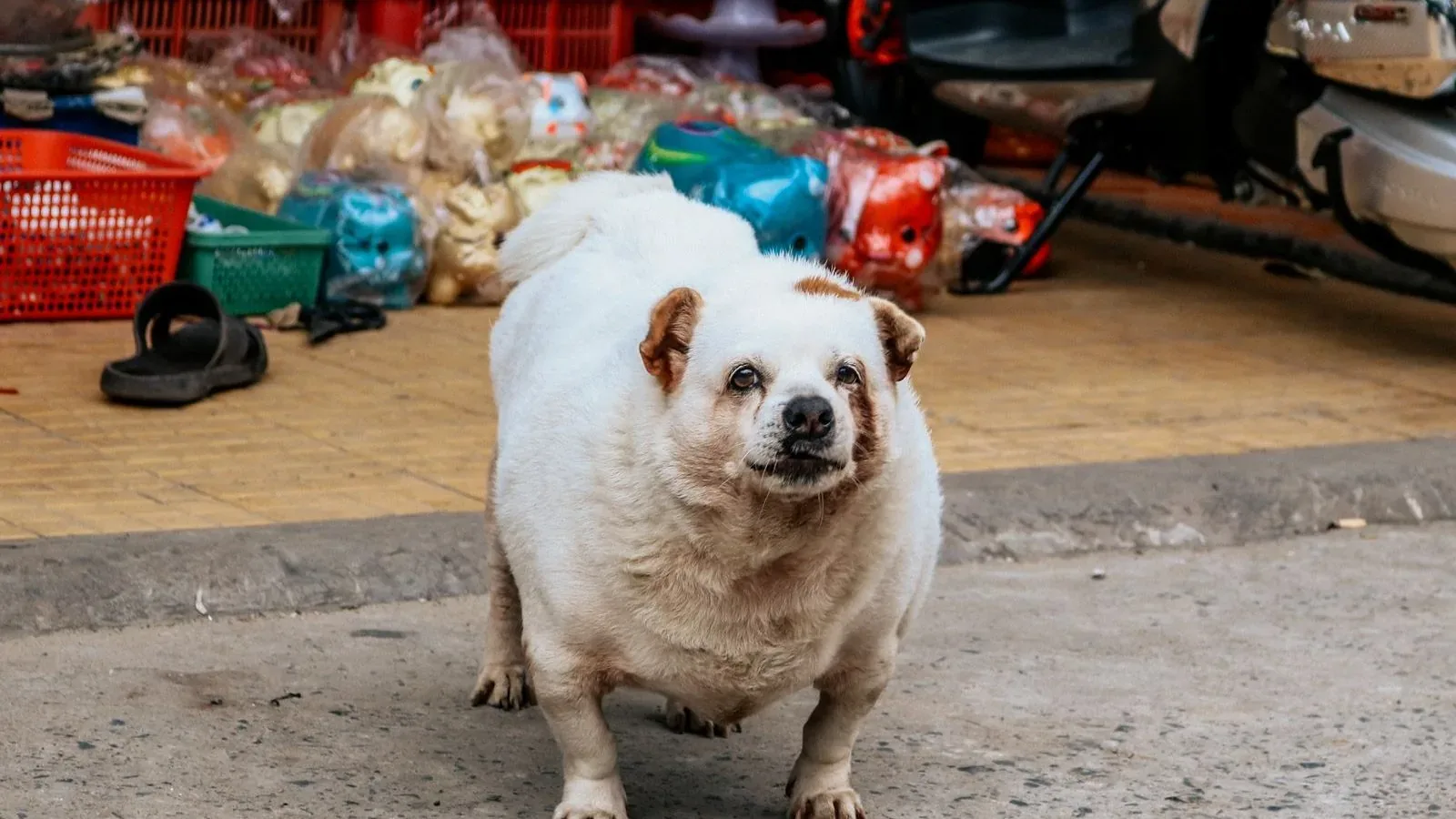
| Pot belly | A sagging, rounded belly from weak muscles and fat shifting |
| Hair loss | Thinning coat on the body, often symmetrical, that does not grow back after clipping |
| Thin skin | Skin that bruises easily, blackheads, slow-healing wounds |
| Panting | Heavy panting even at rest |
| Muscle weakness | Struggling with stairs or jumping, wasting over the back legs |
| Skin and urinary infections | Recurring, hard-to-clear infections |
These signs come on slowly over months, so owners often put them down to old age. The combination of more thirst, more hunger and a pot belly in an older dog is the classic picture.
What causes Cushing's?
- Pituitary-dependent Cushing's is the most common type. A small, usually benign tumor in the pituitary gland at the base of the brain makes too much of the hormone that stimulates the adrenal glands.
- Adrenal-dependent Cushing's is caused by a tumor in one adrenal gland.
- Steroid-induced (iatrogenic) Cushing's comes from long-term steroid medicine and goes away when the steroid is slowly reduced.
Which dogs get Cushing's?
In the UK study of 1,527 cases among 905,544 dogs:
| Breed | Odds compared with crossbreeds |
|---|---|
| Bichon Frise | 6.17 times |
| Border Terrier | 5.40 times |
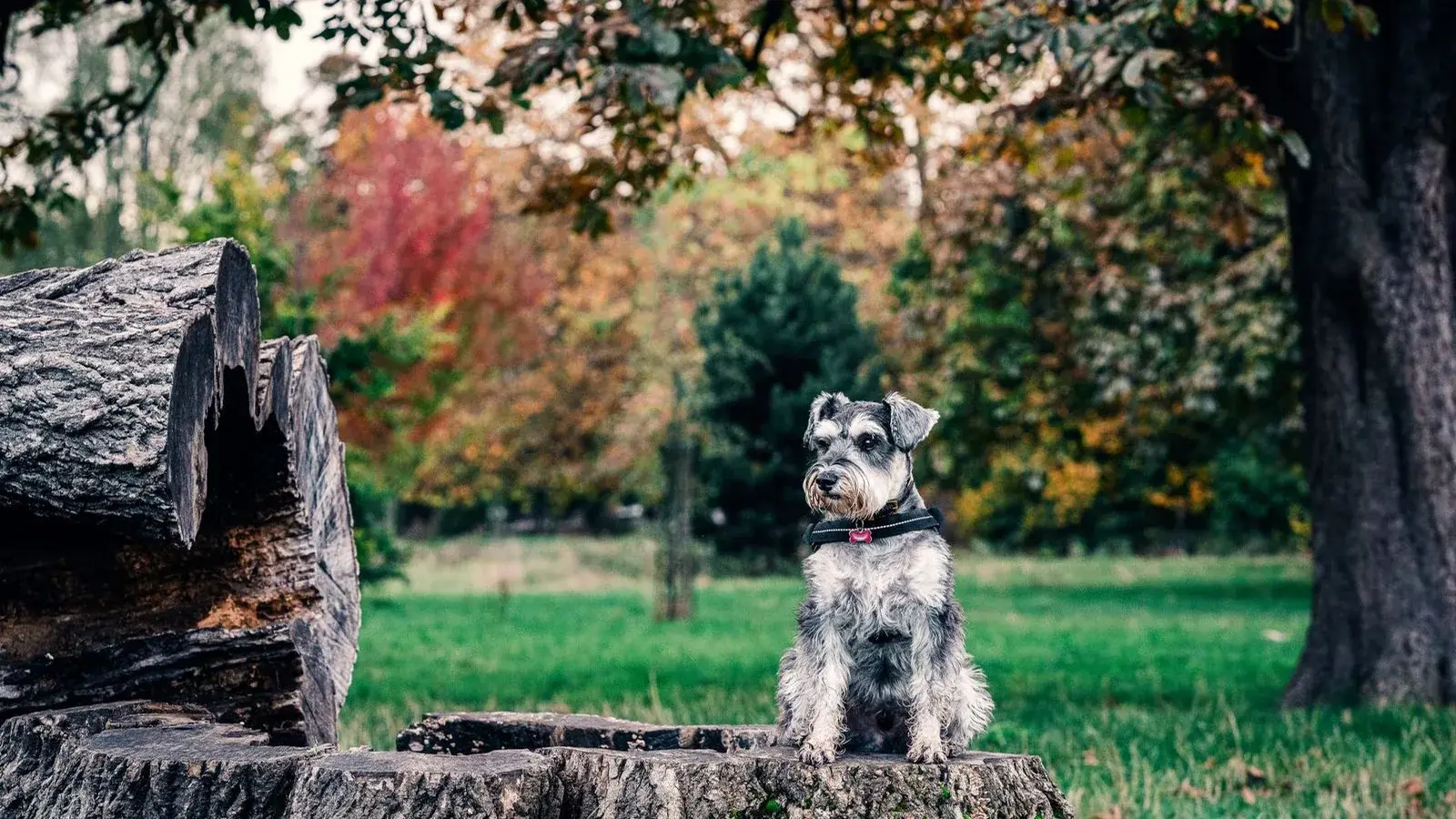
| Miniature Schnauzer | 3.05 times |
| Labrador Retriever | 0.30 times |
| Golden Retriever | 0.24 times |
Risk also rose with age and in dogs heavier than the average for their breed and sex. Miniature Schnauzers also carry a high risk of pancreatitis; see Miniature Schnauzer lifespan.
How vets diagnose Cushing's
No single test is perfect, so vets combine several:
- Routine blood and urine tests: high liver enzymes (especially ALP), dilute urine and sometimes protein in the urine.
- Low-dose dexamethasone suppression test: the main screening test; checks whether cortisol falls as it should after a small steroid dose.
- ACTH stimulation test: measures how strongly the adrenal glands respond; also used to monitor treatment.
- Urine cortisol:creatinine ratio: a useful screen at home; a normal result makes Cushing's unlikely.
- Abdominal ultrasound: to look at the size of both adrenal glands and tell the two types apart.
Treatment
Trilostane
Trilostane is a daily tablet that reduces cortisol production. It is approved by the FDA for dogs in the US (sold as Vetoryl) and is by far the most used treatment: it was given to 94.1% of the 219 UK dogs studied.
- Dogs need ACTH stimulation tests or cortisol checks after starting and after each dose change.
- In the UK study, dogs whose starting dose was increased had about half the hazard of death (HR 0.49), suggesting that getting the dose right matters.
- Side effects to watch for: poor appetite, vomiting, diarrhea or weakness, which can mean cortisol has fallen too low. Stop the tablet and call your vet.
Does treatment help?
In a primary-care study of 43 dogs with pituitary-dependent Cushing's in Japan, untreated dogs had 5.01 times the risk of death of dogs treated with trilostane. Median survival of untreated dogs was 506 days, while treated dogs had not reached their median by the end of the 2-year study.
Other options
Adrenal tumors can be removed surgically by specialists, and some pituitary tumors are treated with surgery or radiotherapy at referral centers.
Survival
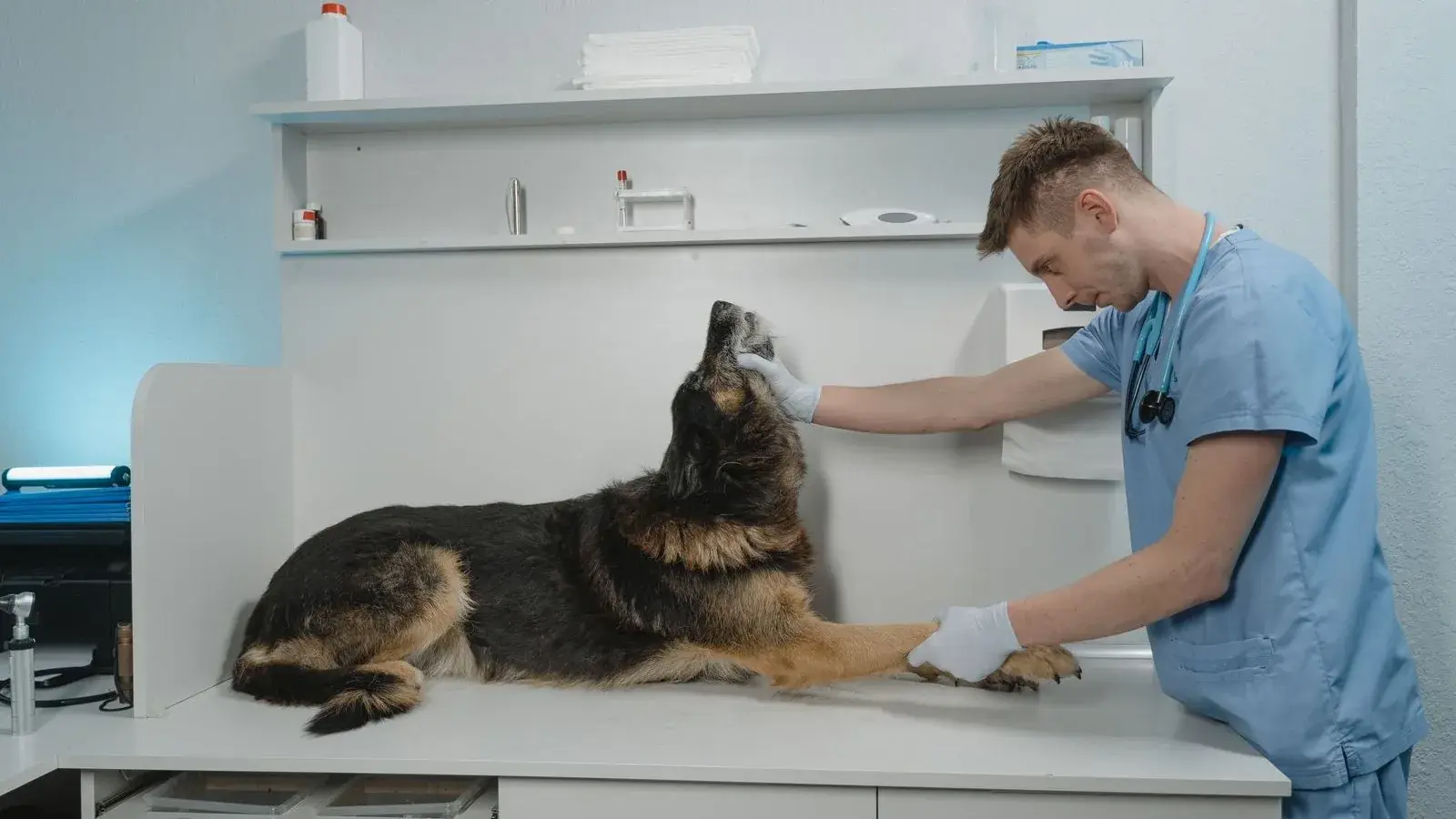
In 219 UK dogs, median survival from diagnosis was 510 days. Dogs 15 kg or heavier and dogs diagnosed at 13 years or older had a higher risk of death. Many dogs live comfortably for years with well-managed Cushing's, and the thirst, hunger and panting usually improve within weeks of starting treatment.
Living with a dog with Cushing's
- Give trilostane with food, at the same time each day.
- Keep every monitoring appointment.
- Watch the water bowl. Measuring daily water intake is a simple way to see whether treatment is working.
- Keep your dog lean and active to protect muscle. See muscle atrophy in dogs.
- Look out for related conditions such as diabetes, urinary infections and pancreatitis. See signs of diabetes in dogs and UTI symptoms in dogs.
FAQ
What are the first signs of Cushing's disease in dogs?
Usually drinking and peeing more, a bigger appetite and a pot belly, coming on slowly over months.
What breeds are prone to Cushing's disease?
In a UK study the Bichon Frise, Border Terrier and Miniature Schnauzer had the highest odds; Golden and Labrador Retrievers the lowest.
How long can a dog live with Cushing's disease?
In 219 UK dogs, median survival from diagnosis was 510 days, and many live longer. Older age at diagnosis and larger size were linked to shorter survival.
Should I treat my dog's Cushing's disease?
In one study, untreated dogs had 5 times the risk of death of dogs given trilostane, and treatment usually improves thirst, hunger and panting within weeks.
Is Cushing's disease painful for dogs?
It is not usually painful in itself, but muscle weakness, skin infections and urinary infections reduce comfort and quality of life.
References
- Schofield I, et al. Frequency and risk factors for naturally occurring Cushing's syndrome in dogs attending UK primary-care practices. Journal of Small Animal Practice. 2022. PMID: 34881823
- Schofield I, et al. Survival analysis of 219 dogs with hyperadrenocorticism attending primary care practice in England. Veterinary Record. 2020. PMID: 31542726
- Nagata N, Kojima K, Yuki M. Comparison of survival times for dogs with pituitary-dependent hyperadrenocorticism in a primary-care hospital: treated with trilostane versus untreated. Journal of Veterinary Internal Medicine. 2017. PMID: 27906457
For individual health questions, your veterinarian remains the best partner.