TL;DR
Dry eye in dogs (keratoconjunctivitis sicca, or KCS) means the eyes do not make enough of the watery part of tears. The giveaway is a thick, sticky, yellow-green discharge that keeps coming back, along with red eyes, squinting, a dull or cloudy surface, and over time brown pigment spreading across the eye. In most dogs the immune system attacks the tear glands. It is not rare: 0.4% of over 360,000 UK dogs had a recorded diagnosis, and risk rises steeply with age and in certain breeds: American Cocker Spaniels (52 times the odds of crossbreeds), English Bulldogs (38 times), Pugs (22 times) and Lhasa Apsos (22 times). Flat-faced dogs overall had 3.6 times the odds. It is diagnosed with a quick, painless paper-strip tear test and treated for life with eye drops such as cyclosporine or tacrolimus, which calm the immune attack and increase tear production. Caught early, most dogs keep comfortable, sighted eyes.
Signs of dry eye in dogs
| Sign | What you might notice |
|---|---|
| Sticky discharge | Thick, stringy, yellow or green mucus that returns soon after cleaning |
| Red eyes | Pink or red whites of the eyes and inner lids |
| Squinting or blinking | Holding the eye half closed, rubbing it |
| Dull surface | The eye loses its glassy shine and looks dry or cloudy |
| Brown film | Pigment spreading across the clear front of the eye in long-standing cases |
| Recurring "infections" | Conjunctivitis that improves on antibiotics and then comes back |
| Ulcers | A painful scratch on the cornea |
| Dry nostril | On the same side, if a nerve problem is the cause |
The most common mistake is treating the discharge as a simple eye infection again and again. A dog with recurring sticky discharge should have its tears measured.
What causes dry eye in dogs?
A review of the condition lists many causes, but immune-mediated KCS is the most common form in dogs. Other causes include:
- Certain medicines, including some sulfonamide antibiotics.
- Hypothyroidism and other hormone conditions.
- Nerve damage, sometimes after a middle ear infection.
- Removal of the third eyelid gland ("cherry eye" surgery done by removing rather than replacing the gland).
- Distemper and other infections.
- Age: in the UK study, advancing age was strongly linked to higher odds.
Which dogs get dry eye?
In the UK study of 363,898 dogs:
| Breed or group | Odds compared with crossbreeds |
|---|---|
| American Cocker Spaniel | 52.3 times |
| English Bulldog | 38.0 times |
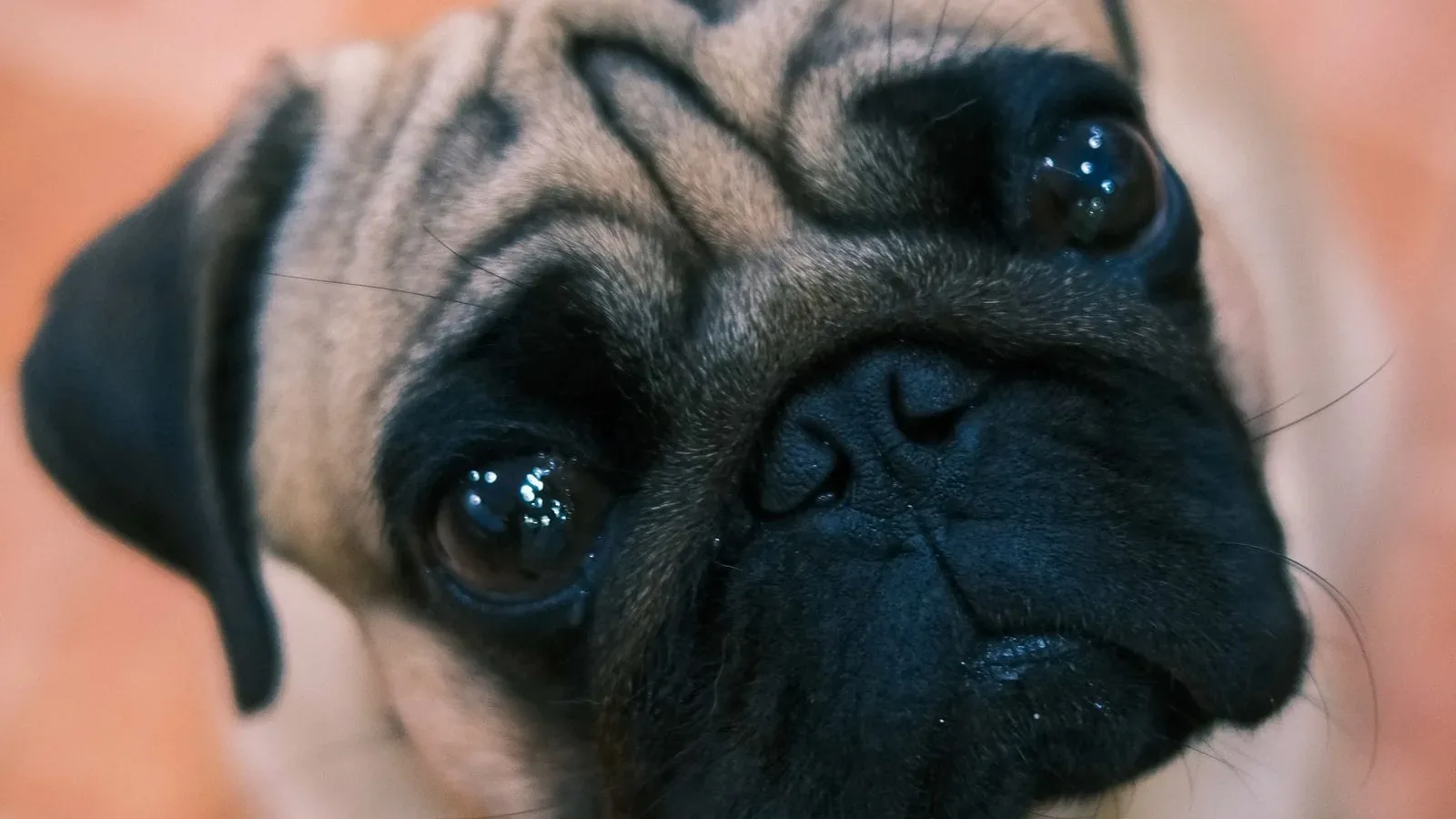
| Pug | 22.1 times |
| Lhasa Apso | 21.6 times |
| Flat-faced breeds overall | 3.6 times (vs medium-faced) |
| Spaniels overall | 3.0 times (vs non-spaniels) |
| Labrador Retriever | 0.23 times (lower) |
| Border Collie | 0.30 times (lower) |
Dogs at or above the average weight for their breed also had slightly higher odds. The study authors recommend yearly tear tests for breeds known to be predisposed.
Flat-faced breeds have prominent eyes and often do not blink fully, so the surface dries faster. See English Bulldog lifespan, French Bulldog lifespan, Shih Tzu lifespan and Cocker Spaniel lifespan.
A small-animal vet Morty has known for years, who asked us not to use their name, also sees dry eye regularly in the Northern breeds: "Huskies, Samoyeds and Malamutes are the dogs we see most with eye problems, mainly cataracts and dry eye. Check their eyes regularly." See Husky lifespan and cataracts in dogs.
How vets diagnose dry eye
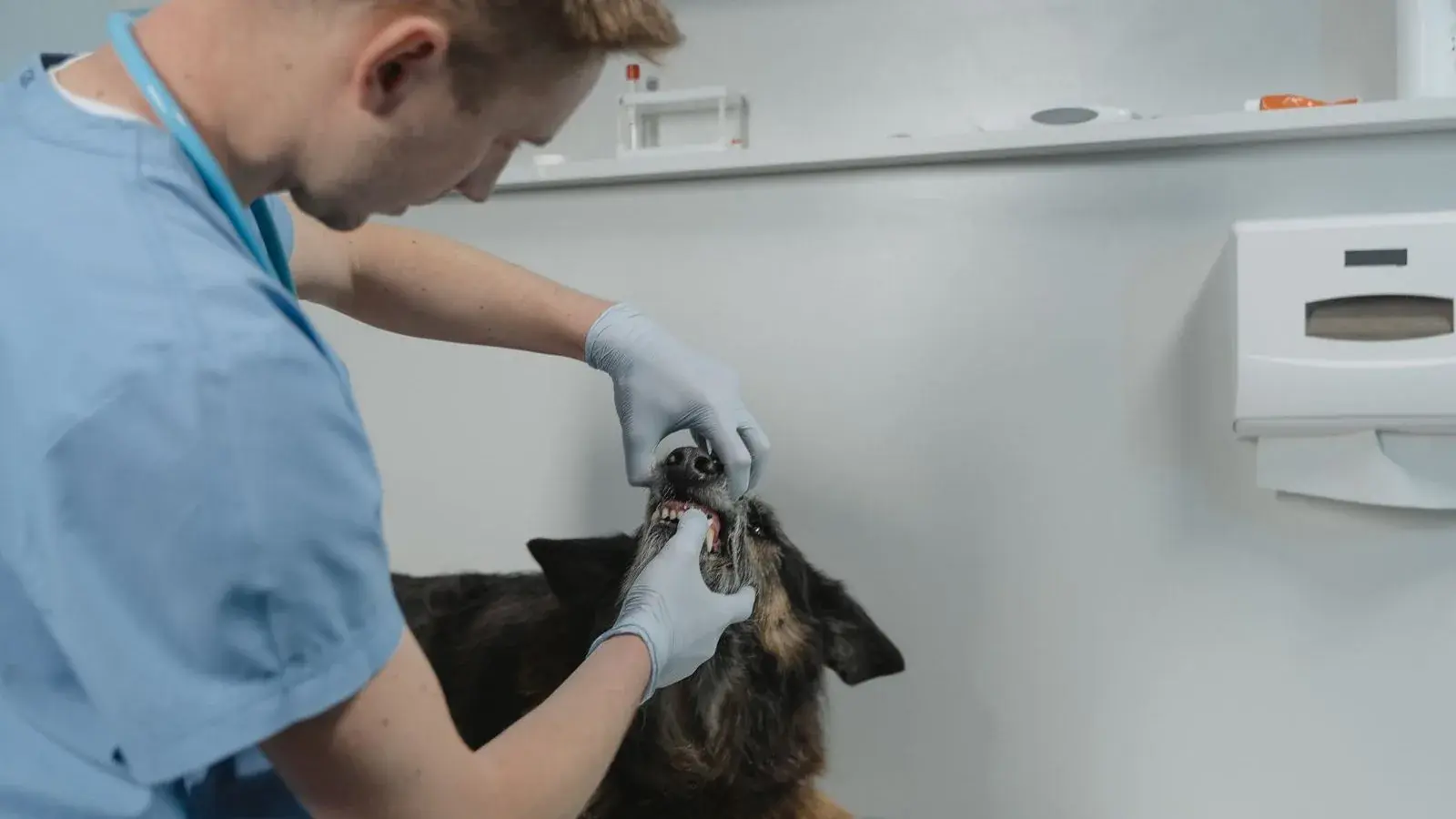
- Schirmer tear test: a small paper strip rests inside the lower lid for one minute to measure tear production. It is quick and painless.
- Fluorescein stain: an orange dye that shows up any corneal ulcer.
- Eye exam for pigment, blood vessels and scarring.
- Blood tests if a hormone cause is suspected.
Treatment
Dry eye is usually a lifelong condition managed with drops at home.
Tear-stimulating drops
Cyclosporine and tacrolimus calm the immune attack on the tear glands and increase tear production. In a study of 40 dogs with dry eye treated for two months:
- Tacrolimus (twice daily) raised tear test results significantly after one and two months.
- Cyclosporine (three times daily) raised tear test results significantly after two months.
- Both reduced the abnormal blood vessels on the eye, and tacrolimus worked better in moderate and advanced cases.
Results take weeks, so keep going even if the eye does not look better in the first few days.
Supportive drops
- Artificial tears or lubricating gels several times a day, especially early on.
- Antibiotic drops for secondary infection.
- Anti-inflammatory drops if your vet confirms there is no ulcer.
If drops do not work
When the glands are badly damaged, a specialist may offer surgery that redirects a saliva duct to the eye (parotid duct transposition).
Caring for your dog's eyes at home
- Clean discharge gently with a soft cloth and warm water or a sterile eye wash before giving drops.
- Give drops on a schedule and never stop suddenly; signs return when drops stop.
- Recheck tear tests as your vet advises.
- Watch for squinting, which can mean an ulcer and needs a vet within a day.
- Wipe facial folds in flat-faced breeds and keep hair away from the eyes.
FAQ
What does dry eye look like in dogs?
Thick, sticky yellow or green discharge that keeps coming back, red eyes, squinting, and a dull or cloudy eye surface. In long-standing cases, brown pigment spreads across the eye.
Can dry eye in dogs be cured?
Usually not, but it can be controlled. Most dogs need daily drops for life, and with treatment many keep comfortable eyes and good vision.
Which dog breeds get dry eye?
American Cocker Spaniels, English Bulldogs, Pugs and Lhasa Apsos had the highest odds in a large UK study, and flat-faced and spaniel breeds in general are at higher risk.
Is dry eye painful for dogs?
Yes, it can be. A dry cornea is irritated and prone to ulcers, which is why dogs squint and rub their eyes.
Can dry eye make a dog go blind?
Untreated, it can, from scarring and pigment covering the cornea. Early treatment usually prevents this.
References
- O'Neill DG, et al. Keratoconjunctivitis sicca in dogs under primary veterinary care in the UK: an epidemiological study. Journal of Small Animal Practice. 2021. PMID: 34134171
- Dodi PL. Immune-mediated keratoconjunctivitis sicca in dogs: current perspectives on management. Veterinary Medicine: Research and Reports. 2015. PMID: 30101119
- Radziejewski K, Balicki I. Comparative clinical evaluation of tacrolimus and cyclosporine eye drops for the treatment of canine keratoconjunctivitis sicca. Acta Veterinaria Hungarica. 2016. PMID: 27653428
For individual health questions, your veterinarian remains the best partner.