TL;DR
Hypothyroidism (low thyroid) in dogs means the thyroid gland makes too little hormone, so the body's metabolism slows down. The classic symptoms are weight gain without eating more, lethargy, seeking warmth, a dull, thin coat with hair loss on the body and tail ("rat tail"), thickened or darkened skin, and recurring skin and ear infections. It is one of the most commonly diagnosed hormone disorders in dogs: in a UK study of 905,553 dogs, 0.23% were living with a diagnosis. Risk is strongly breed-related: Dobermanns had 17 times the odds of crossbreeds, Tibetan Terriers 11 times and Boxers 10 times, while Pugs, Yorkshire Terriers, Shih Tzus and Jack Russells were among the least likely to be affected. It is treated with a daily thyroid hormone tablet, and most dogs feel and look better within weeks. The catch is diagnosis: illness and some medicines can make a healthy thyroid test low, so a single low thyroid result is not enough on its own.
Symptoms of hypothyroidism in dogs
| Area | What you might notice |
|---|---|
| Weight and energy | Weight gain without eating more, lethargy, sleeping more, reluctance to exercise |
| Temperature | Seeking warm spots, intolerance of cold |
| Coat | Dull, dry, thin coat; slow regrowth after clipping |
| Hair loss | On both sides of the body, the tail ("rat tail") and the bridge of the nose; usually not itchy at first |
| Skin | Thick, dark or greasy skin; dandruff; a "sad" puffy face in some dogs |
| Infections | Recurring skin and ear infections |
| Heart | Slow heart rate |
| Nerves | Weakness, wobbliness, and rarely a facial droop or head tilt |
| Reproduction | Irregular heats in unspayed females |
Signs come on slowly over months, so many owners put them down to "getting old". The combination of weight gain, lethargy and coat changes in a middle-aged dog is the classic picture. See obesity in dogs and dog itchy skin.
Which dogs get hypothyroidism?
In the UK study of 905,553 dogs, 0.23% had a hypothyroidism diagnosis, and about 0.04% were newly diagnosed in a year.
| Breed | Odds compared with crossbreeds |
|---|---|
| Dobermann | 17.0 times |
| Tibetan Terrier | 11.3 times |
| Boxer | 10.4 times |
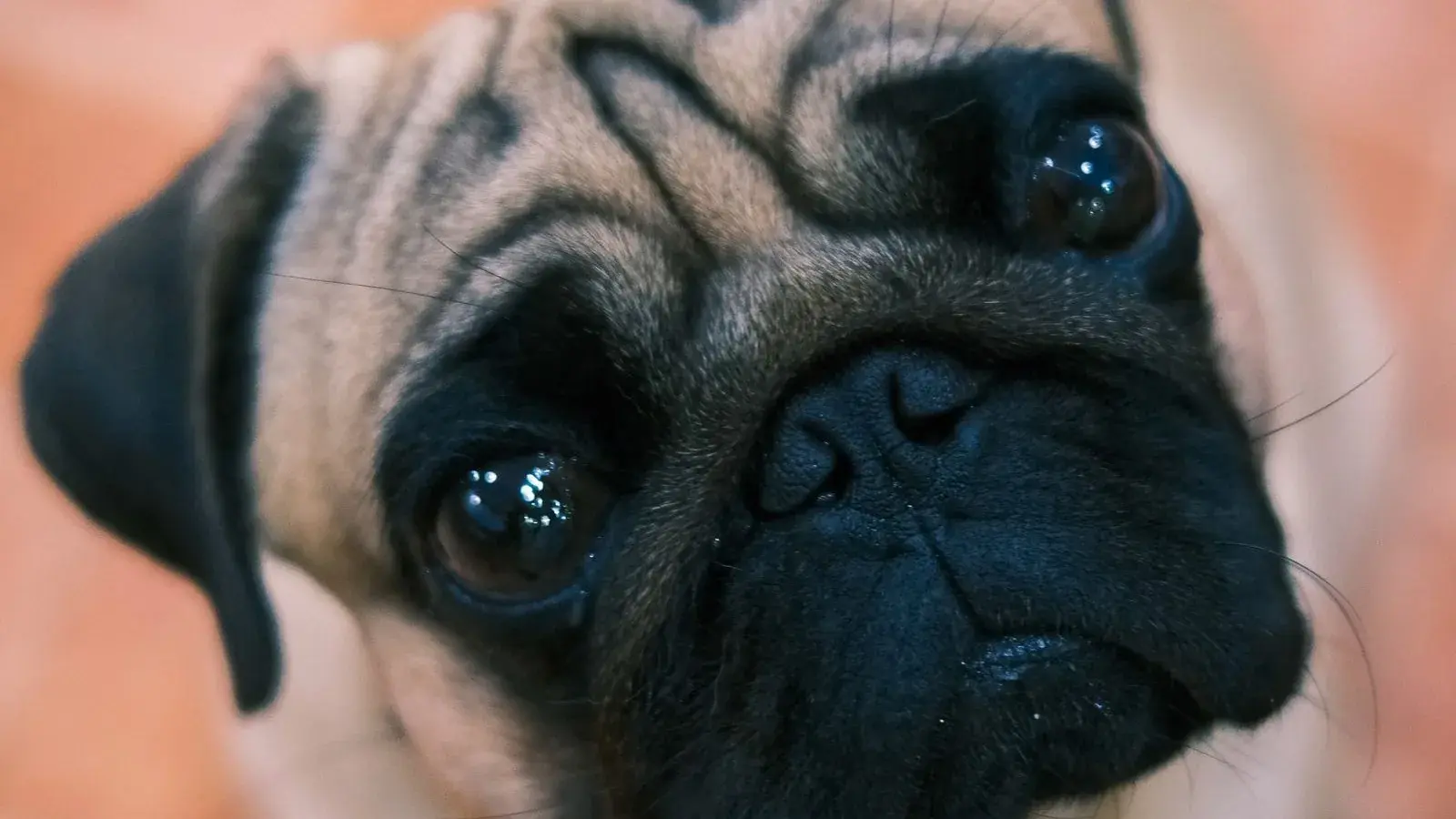
| Pug | 0.29 times (lower) |
| Yorkshire Terrier | 0.38 times (lower) |
| Shih Tzu | 0.38 times (lower) |
| Jack Russell Terrier | 0.40 times (lower) |
Overall, 24 breeds were predisposed and 9 were protected. Older age, purebred status, being neutered, heavier adult weight and being heavier than average for the breed were also linked to a diagnosis. See Doberman lifespan and Boxer lifespan.
Interestingly for us, Pugs, the breed our founder Morty raised for years, were the most protected breed in the study.
What causes it?
In most dogs, the thyroid gland is gradually destroyed by the immune system (lymphocytic thyroiditis) or replaced by fat (idiopathic atrophy). Rarely, a thyroid tumor or a pituitary problem is to blame.
How vets diagnose hypothyroidism
A review of the condition explains why diagnosis has never been straightforward: dogs with a perfectly normal thyroid can have low thyroid test results for other reasons. Vets usually combine:
- Total T4 (thyroxine): a good screening test; a normal result makes hypothyroidism unlikely.
- Free T4, less affected by other illness.
- TSH (thyroid-stimulating hormone): high in many hypothyroid dogs.
- Thyroglobulin autoantibodies: show immune attack on the gland.
- Routine blood tests: high cholesterol and mild anemia support the diagnosis.
Two common traps
- Illness elsewhere (for example kidney disease, Cushing's or diabetes) can lower thyroid results. This is called non-thyroidal illness or "sick euthyroid". Treat the other illness and retest.
- Medicines can lower results too. A 2023 review lists glucocorticoids (steroids), sulfonamide antibiotics, phenobarbital, some anti-inflammatories, clomipramine, trilostane and others, and warns that awareness is needed to avoid misdiagnosis and unnecessary treatment.
So if your dog's T4 is low but it does not have the typical signs, ask your vet whether further tests are needed before starting tablets.
Treatment
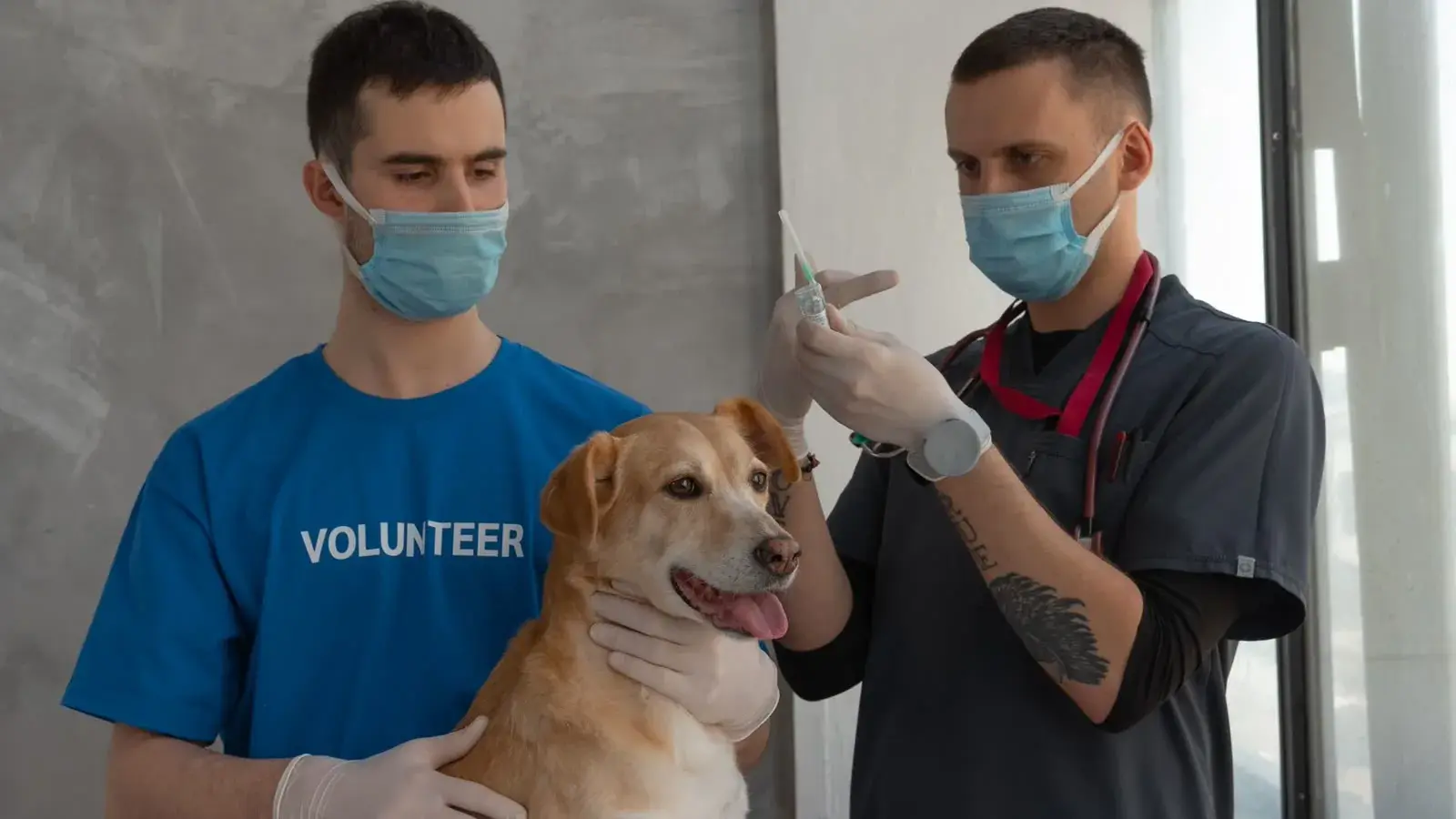
- Levothyroxine (synthetic thyroid hormone) tablets or liquid, given once or twice a day for life.
- A recheck blood test a few weeks after starting, usually a few hours after a dose, to fine-tune the dose.
- Energy usually improves within a few weeks, while the coat and skin take a few months to recover.
- Weight comes off more easily once levels are normal, but diet still matters.
Signs of too high a dose include restlessness, panting, drinking more and weight loss. Tell your vet if these appear. See older dog panting.
Hypothyroidism and other senior problems
- Weight gain and joints: extra weight from a slow metabolism adds load on arthritic joints, so correcting the thyroid and the diet together helps mobility.
- Skin and ears: recurring infections often settle once the thyroid is treated.
- Nerves and balance: low thyroid is one of the causes vets check in dogs with vestibular signs or weakness. In a study of dogs with peripheral vestibular disease, 7 of 188 were found to have hypothyroidism. See vestibular disease in older dogs.
FAQ
What are the first signs of hypothyroidism in dogs?
Usually weight gain without eating more, tiredness, seeking warmth and a dull or thinning coat, developing slowly over months.
Which dog breeds get hypothyroidism?
In a UK study, Dobermanns, Tibetan Terriers and Boxers had the highest odds. Pugs, Yorkshire Terriers, Shih Tzus and Jack Russell Terriers had the lowest.
Can hypothyroidism in dogs be cured?
It cannot be cured, but it is easily controlled with a daily thyroid hormone tablet, and most dogs live a normal life.
Why did my dog's thyroid test come back low?
It may be hypothyroidism, but other illnesses and medicines such as steroids, phenobarbital and some antibiotics can lower thyroid results in dogs with a normal thyroid. Further tests such as free T4 and TSH help confirm it.
Does hypothyroidism cause weight gain in dogs?
Yes, it slows metabolism, so dogs gain weight without eating more. Weight is easier to lose once treatment starts.
References
- O'Neill DG, et al. Frequency, breed predispositions and other demographic risk factors for diagnosis of hypothyroidism in dogs under primary veterinary care in the UK. Canine Medicine and Genetics. 2022. PMID: 36217196
- Mooney CT. Canine hypothyroidism: a review of aetiology and diagnosis. New Zealand Veterinary Journal. 2011. PMID: 21541883
- Bolton TA, Panciera DL. Influence of medications on thyroid function in dogs: an update. Journal of Veterinary Internal Medicine. 2023. PMID: 37498128
- Orlandi R, et al. Clinical signs, MRI findings and outcome in dogs with peripheral vestibular disease: a retrospective study. BMC Veterinary Research. 2020. PMID: 32450859
For individual health questions, your veterinarian remains the best partner.