TL;DR
Itchy skin in dogs usually comes down to one of four things: fleas or mites, allergies (environmental or food), a bacterial skin infection, or a fungal or yeast infection. Skin problems are among the most common reasons dogs see a vet: in a UK study of 22,333 dogs, 12.6% had a skin disorder in a single year. If your dog is itchy with no fleas you can see, the next step is working out whether the skin is infected, because infections need their own treatment and also make allergies worse. In a randomized trial on surface bacterial skin infection, a chlorhexidine shampoo used 2 to 3 times a week with a 10-minute soak significantly cut itch, spots and bacteria within 3 weeks, while a benzoyl peroxide shampoo did not. Omega-3 supplements improved skin scores in allergic dogs in a placebo-controlled trial. Itch that keeps a dog awake, broken or oozing skin, or itch that returns every season needs a vet, because modern itch medicines work within a day or two.
Common causes of itchy skin in dogs
| Cause | Typical signs | Clues |
|---|---|---|
| Fleas | Itch over the lower back and base of the tail | Black specks (flea dirt) that turn red on wet paper |
| Flea allergy | Intense itch from very few bites | Fleas may be hard to find at all |
| Environmental allergy (atopic dermatitis) | Licking paws, rubbing face, itchy ears, belly and armpits | Can be seasonal |
| Food allergy | Itch all year round, often ears and rear end | Sometimes loose stool; diagnosed by an elimination diet |
| Bacterial infection (pyoderma) | Red spots, pimples, crusts, scabs, rings of scale | Very itchy; often follows allergies |
| Fungal infection (ringworm) | Patchy hair loss, scaling and dandruff | Often little redness; can spread to people |
| Yeast (Malassezia) | Greasy skin, musty smell, dark thickened skin | Common between toes, in ears and skin folds |
| Mites (mange) | Sudden severe itch on ears, elbows and belly | Scrapings needed to confirm |
A small-animal vet Morty has known for years, who asked us not to use their name, says skin disease is one of the two problems they see most often in clinic. They tell owners to look at two patterns:
> "Fungal skin disease usually shows hair loss and dandruff with little redness. Bacterial skin disease shows red spots and scabs, and the dog is extremely itchy."
That simple split is a useful starting point at home, but both often happen together, so a vet usually confirms with a skin scraping, tape test or fungal culture.
Itchy skin with no fleas
When you cannot find fleas, think about these in order:
- Fleas you missed. A flea-allergic dog can itch hard after a few bites and groom the fleas away. Keep every pet in the house on year-round flea prevention before ruling fleas out.
- Allergies. Paw licking, face rubbing and repeated ear infections point toward atopic dermatitis or food allergy. Ear infection (otitis externa) affected 7.3% of dogs in a year in the same UK study, making it the second most common condition overall.
- Infection on top. Allergic skin often becomes infected with bacteria or yeast, which raises the itch further.
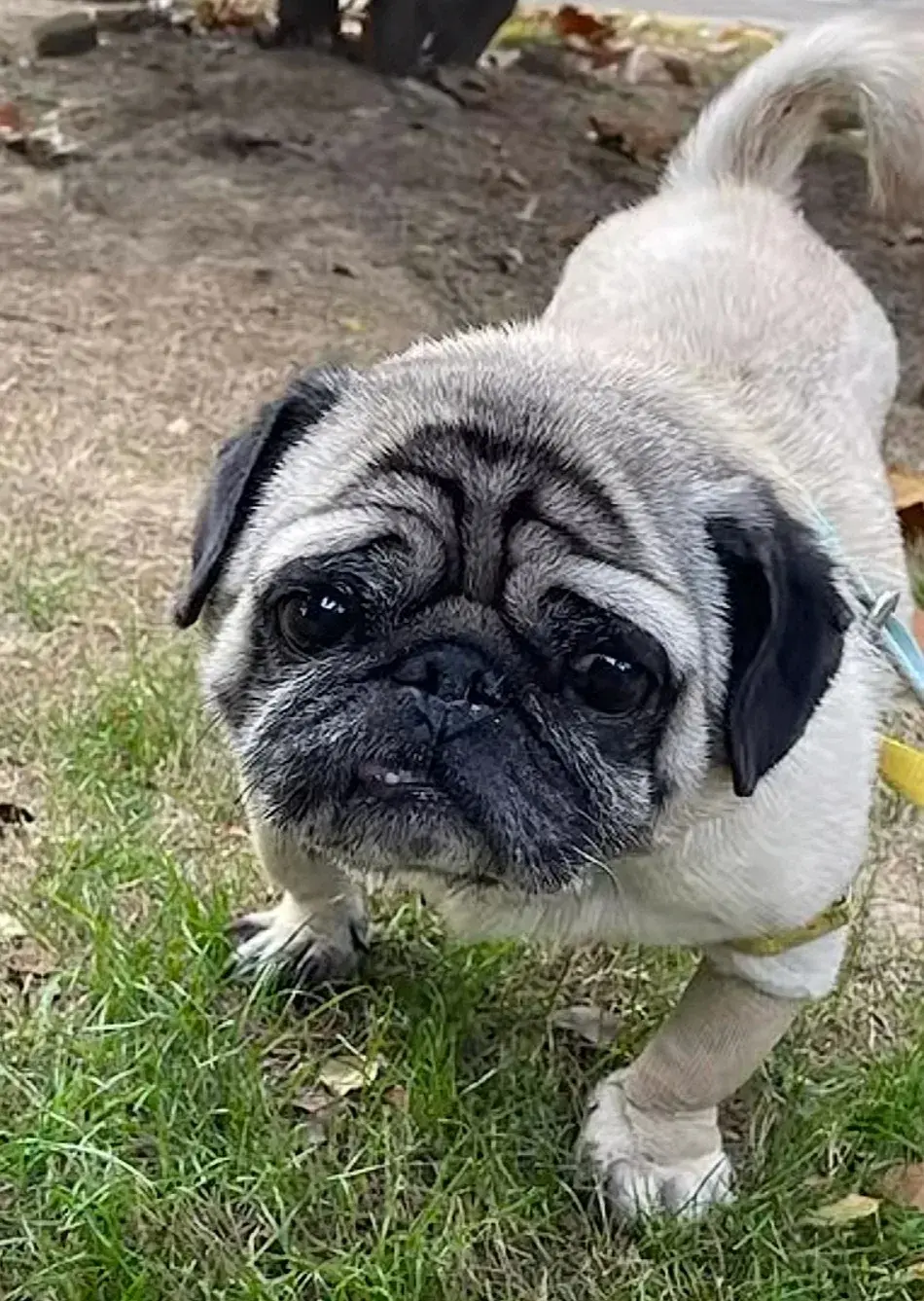
- Skin folds. Flat-faced and wrinkly breeds trap moisture and dirt in folds. Morty, who has raised seven pugs, found that most of a pug's smell comes from dirt trapped in the skin folds, so the folds need wiping clean and drying regularly. See French Bulldog lifespan and English Bulldog lifespan.
Which breeds get itchy skin most?
The vet friend names Labrador Retrievers as a breed they see constantly for skin disease and for inflammation between the toes. See Labrador lifespan. Bulldogs, French Bulldogs and other wrinkly breeds are prone to fold infections.
Shampoo for a dog with itchy skin
Medicated shampoos work as treatment, not just cleaning, if they are used the right way.
In a randomized trial of 22 dogs with superficial pyoderma (surface bacterial infection):
- Dogs were washed 2 to 3 times a week for 3 weeks, leaving the lather on for 10 minutes before rinsing.
- 68.2% of all the dogs in the study improved overall.
- The 3% chlorhexidine shampoo significantly reduced pimples, itch and bacterial counts.
- The 2.5% benzoyl peroxide shampoo did not significantly change scores or bacteria.
How to bathe an itchy dog
- Wet the coat thoroughly with lukewarm water, not hot.
- Lather the itchy areas first, working down to the skin.
- Leave it on for 10 minutes. Set a timer; this is the step most people skip.
- Rinse until the water runs clear. Leftover shampoo irritates.
- Dry well, especially between the toes and in folds, where yeast thrives.
For yeast, vets often choose shampoos with chlorhexidine plus miconazole or ketoconazole. For ringworm, treatment usually combines medicated washes with oral antifungals, and the house needs cleaning because spores spread.
Home remedies for dog itchy skin
- Flea control for every pet, every month. It is the cheapest and most effective step.
- Oatmeal shampoos can soothe dry, irritated skin between medicated washes.
- Wipe paws after walks to remove pollen and dirt if your dog licks its feet.
- A cone or soft t-shirt stops the lick-and-scratch cycle while the skin heals.
- Omega-3 fatty acids. In a double-blinded, placebo-controlled trial of 29 allergic dogs, dogs given omega-3 supplements for 10 weeks had better skin scores, while dogs on placebo did not. Effects take weeks, not days. See best dog supplements for skin and coat and omega-3 for dogs dosage chart.
Avoid putting essential oils, human creams or vinegar on broken skin, which can sting or be licked off.
When to see a vet
- Itch that keeps your dog (or you) awake at night.
- Open, oozing, bleeding or crusted skin.
- Hair loss in circles or patches, especially if people in the house develop itchy rings.
- Recurring ear infections or itch that comes back every season.
- A dog that is itchy and losing weight or unwell.
Modern itch treatment is fast. In a randomized trial of 226 allergic dogs, oclacitinib reduced owner-scored itch by about a quarter on day 1 and up to 61% over the study, faster than ciclosporin. Vets also use injectable antibody treatments, antibiotics or antifungals based on what the tests show.
FAQ
What can I give my dog for itchy skin?
Start with flea treatment for all pets and a medicated shampoo with a 10-minute contact time. Omega-3 supplements can help allergic skin over several weeks. For strong itch, vets can prescribe fast-acting itch medicines.
Why is my dog so itchy but has no fleas?
The most common reasons are allergies (environmental or food), a skin infection with bacteria or yeast, a fungal infection or mites. A flea allergy can also cause strong itch from very few fleas.
What is the best shampoo for a dog with itchy skin?
For bacterial infection, a chlorhexidine shampoo worked in a randomized trial when used 2 to 3 times a week with a 10-minute soak. For yeast, vets often add an antifungal such as miconazole.
How can I tell a fungal from a bacterial skin infection?
As a rough guide, fungal infection tends to cause patchy hair loss and dandruff with little redness, while bacterial infection causes red spots, crusts and intense itch. A vet confirms with simple skin tests.
Is itchy skin worse in older dogs?
Older dogs can develop new itch from skin tumors, hormone conditions such as Cushing's disease, or thinner, drier skin. See Cushing's disease in dogs.
References
- O'Neill DG, et al. Prevalence of commonly diagnosed disorders in UK dogs under primary veterinary care: results and applications. BMC Veterinary Research. 2021. PMID: 33593363
- Loeffler A, Cobb MA, Bond R. Comparison of a chlorhexidine and a benzoyl peroxide shampoo as sole treatment in canine superficial pyoderma. Veterinary Record. 2011. PMID: 21831997
- Mueller RS, et al. Effect of omega-3 fatty acids on canine atopic dermatitis. Journal of Small Animal Practice. 2004. PMID: 15206474
- Little PR, et al. A blinded, randomized clinical trial comparing the efficacy and safety of oclacitinib and ciclosporin for the control of atopic dermatitis in client-owned dogs. Veterinary Dermatology. 2015. PMID: 25496303
For individual health questions, your veterinarian remains the best partner.