TL;DR
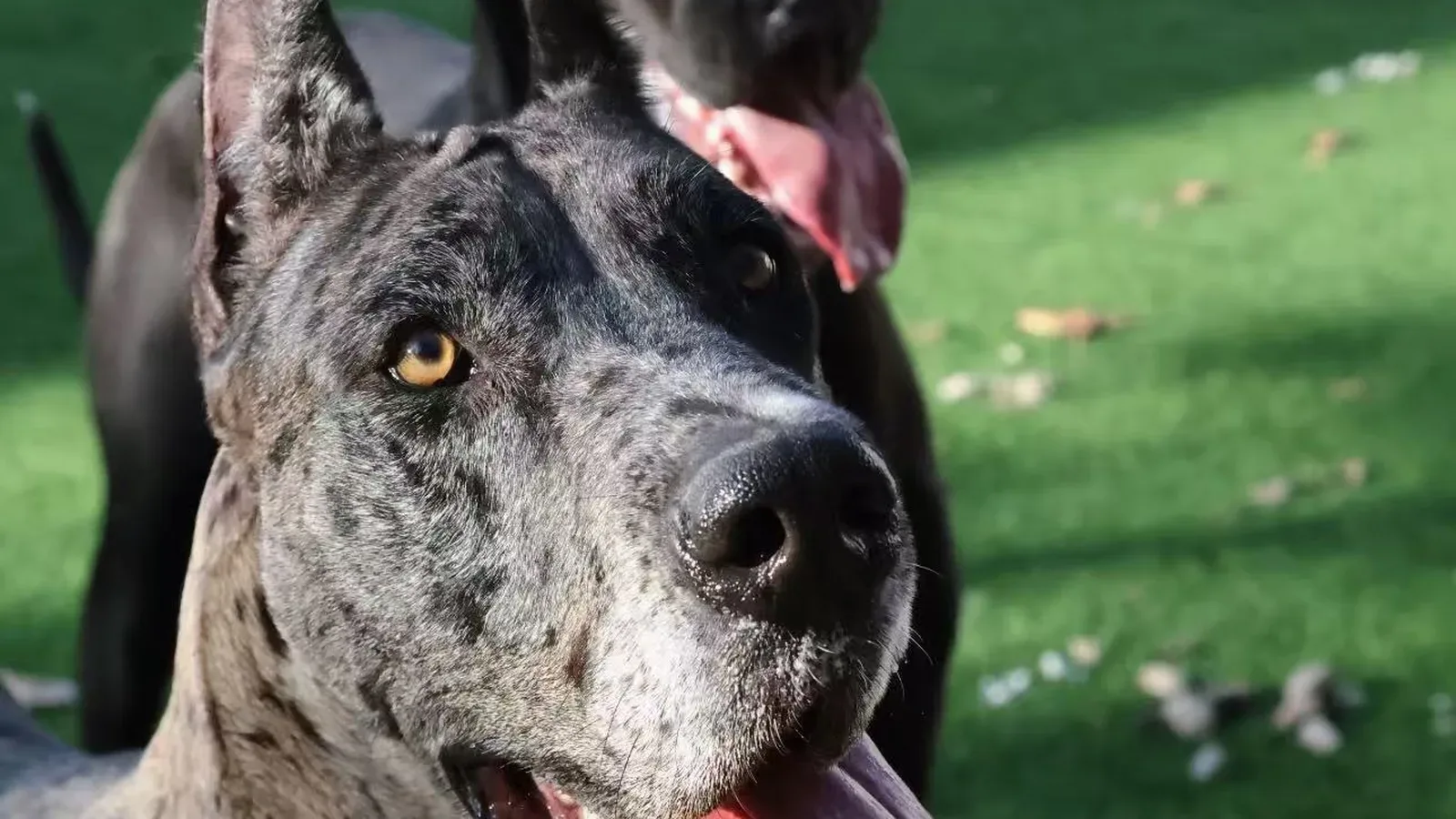
The typical Great Dane lifespan is about 8 to 11 years, one of the shortest of any breed. In a 2024 UK study of 584,734 dogs, Great Danes had a median lifespan of 10.6 years, against 12.0 years for mixed breeds. Three serious problems shorten their lives: bloat (gastric dilatation-volvulus, GDV), with an estimated lifetime risk of 36.7%; a weakened heart muscle (dilated cardiomyopathy); and bone cancer, with 34 times the odds of osteosarcoma compared with crossbreeds. A Great Dane is a senior from about 7.9 years. Knowing the warning signs, and asking your vet about a preventive stomach-tacking surgery (gastropexy), are the most important steps you can take.
How long do Great Danes live?
| Measure | Great Dane | Mixed breed |
|---|---|---|
| Median lifespan, 2024 UK study (864 deaths) | 10.6 years | 12.0 years |
| 95% confidence interval | 10.4 to 11.0 years | 12.0 to 12.1 years |
| Senior from about (last 25% of lifespan) | 7.9 years | 9 years |
Giant breeds age faster than small ones. A Great Dane reaches its senior years several years before a Yorkshire Terrier or a Chihuahua.
Great Dane age in human years
| Dog's age | Life stage | Roughly like a person aged |
|---|---|---|
| 4 years | Mature adult | 30 |
| 5 years | Mature adult | 37 |
| 6 years | Mature adult | 45 |
| 7 years | Mature adult | 52 |
| 8 years | Senior | 60 |
| 9 years | Senior | 67 |
| 10 years | Senior | 75 |
| 11 years | Senior, past the median | 82 |
| 12 years | Senior, past the median | 89 |
| 13 years | Senior, past the median | 97 |
| 14 years | Senior, past the median | 104 |
This uses the share of the breed's typical lifespan a dog has lived, compared with US human life expectancy of 79 years. For puppies and young dogs, the DNA-based method in the calculator below is more accurate. Try any age:
Dog age calculator
Enter your dog's age and breed. Choose "Mixed breed" if you are not sure.
Human age (DNA method)
64
From age-related DNA changes in Labradors compared with people (Wang 2020). Least reliable for puppies under a few months.
Same point in a human life
53
Your dog has lived about 67% of the typical 12.0-year lifespan for this group. The same share of a 79.0-year US life expectancy is age 53.
Life stage
Mature adult
AAHA: from maturity until the last 25% of expected lifespan, about 9.0 years for this group.
Mixed breed (crossbreed): median lifespan 12.0 years (95% CI 12.0 to 12.1), senior from about 9.0 years.
Lifespans: UK study of 584,734 dogs (McMillan 2024). Life stages: AAHA. Every dog ages differently; health, weight and lifestyle all matter.
The three big threats to a Great Dane's life
1. Bloat (GDV)
In GDV, the stomach fills with gas and twists, cutting off its own blood supply. It is an emergency that can kill within hours.
- In a US study of 1,914 large and giant dogs followed over time, giant breeds developed GDV at a rate of 26 cases per 1,000 dog-years, the risk rose with age, and 28.6% of dogs that developed GDV died.
- Combining that data with breed lifespans, researchers estimated the lifetime risk of GDV in Great Danes at 36.7%, the highest of the five breeds they studied.
- A preventive gastropexy, which tacks the stomach to the body wall so it cannot twist, was estimated to reduce the risk of dying from GDV 29.6-fold in Great Danes. It is often done at the same time as spaying or neutering, or by keyhole surgery.
Signs of bloat: a swollen, tight belly; retching without bringing anything up; drooling; restlessness or pacing; pale gums; collapse. Go to an emergency vet immediately.
2. Dilated cardiomyopathy
In dilated cardiomyopathy (DCM), the heart muscle weakens and the heart enlarges. In a study of 367 dogs with DCM, being a Great Dane was one of the factors linked to shorter survival. Signs include tiring easily, coughing, fast breathing, fainting and a swollen belly. Ask your vet about heart screening with an ultrasound, especially before the senior years.
3. Bone cancer (osteosarcoma)
In a UK study of 905,552 dogs, Great Danes had 34.24 times the odds of osteosarcoma compared with crossbreeds, and 0.87% of Great Danes were diagnosed in a single year. The median age at diagnosis across all dogs was 9.64 years. A new limp that does not go away, or a hard swelling on a leg, needs X-rays.
Joints and mobility
Great Danes carry a lot of weight on long legs, so arthritis and joint wear are common in older dogs, and a weak, wobbly back end can also be a sign of spinal problems. Keep your Dane lean, use non-slip floors and ramps, and act early on stiffness. See hip dysplasia treatment and old dog weak back legs.
In a 2006 trial, 67% of dogs with joint disease improved on green-lipped mussel extract by day 56, against 41% on placebo. Our green-lipped mussel powder is a single-ingredient topper you stir into food.
How to help a Great Dane live longer
- Ask your vet about a preventive gastropexy, ideally when your dog is spayed or neutered.
- Learn the signs of bloat and know where your nearest emergency vet is.
- Feed two or more smaller meals a day rather than one large meal, and avoid hard exercise right after eating.
- Screen the heart with your vet, and report coughing, fainting or tiring easily.
- Keep your Dane lean and its muscles strong.
- Check any persistent limp with X-rays.
- Twice-yearly vet checks from about 7.9 years.
FAQ
How long do Great Danes live?
Most Great Danes live about 8 to 11 years. A 2024 UK study of 584,734 dogs found a median lifespan of 10.6 years for the breed.
Why do Great Danes have such short lives?
Giant breeds age faster, and Great Danes are prone to bloat, a weakened heart muscle and bone cancer. Researchers estimate their lifetime risk of bloat at 36.7%, and they have 34 times the odds of osteosarcoma compared with crossbreeds.
Is 8 old for a Great Dane?
Yes. A Great Dane is a senior from about 7.9 years, and at 8 it has lived about 75% of the breed's median lifespan, roughly like a person aged 60.
Should my Great Dane have a gastropexy?
Many vets recommend it. One analysis estimated that a preventive gastropexy reduces a Great Dane's risk of dying from bloat about 30-fold. It is often done during spaying or neutering. Discuss the timing and method with your vet.
What are the first signs of bloat in a Great Dane?
A swollen belly, retching without vomiting, drooling, restlessness and pale gums. Bloat is an emergency; go to a vet immediately.
References
- McMillan KM, et al. Longevity of companion dog breeds: those at risk from early death. Scientific Reports. 2024. PMID: 38302530
- Glickman LT, et al. Incidence of and breed-related risk factors for gastric dilatation-volvulus in dogs. Journal of the American Veterinary Medical Association. 2000. PMID: 10638316
- Ward MP, Patronek GJ, Glickman LT. Benefits of prophylactic gastropexy for dogs at risk of gastric dilatation-volvulus00142-9). Preventive Veterinary Medicine. 2003. PMID: 12941556
- Martin MW, et al. Canine dilated cardiomyopathy: a retrospective study of prognostic findings in 367 clinical cases. Journal of Small Animal Practice. 2010. PMID: 20670255
- O'Neill DG, et al. Dog breeds and conformations predisposed to osteosarcoma in the UK: a VetCompass study. Canine Medicine and Genetics. 2023. PMID: 37365662
- Pollard B, et al. Clinical efficacy and tolerance of an extract of green-lipped mussel in dogs presumptively diagnosed with degenerative joint disease. New Zealand Veterinary Journal. 2006. PMID: 16751841
For individual health questions, your veterinarian remains the best partner.