TL;DR
Hip dysplasia in dogs is a loose, badly fitting hip joint that wears down into arthritis. Treatment depends on the dog's age and how bad the hips are, but for most dogs it starts without surgery: weight control, controlled exercise, pain relief and joint support. Weight is the most powerful tool: in a lifelong study of 48 Labradors, dogs fed 25% less developed hip arthritis at a median age of 12 years instead of 6. For pain, a monthly injection (bedinvetmab, sold as Librela) and daily anti-inflammatories are the main medical options, and in trials, omega-3s and green-lipped mussel helped more dogs than placebo. Surgery is for dogs that do not respond: total hip replacement gave pain-free hips in 91% to 100% of cases across eight studies, and femoral head ostectomy is an option for smaller dogs. Very young puppies can have preventive surgery, but only in a short window.
What is hip dysplasia?
The hip is a ball-and-socket joint. In hip dysplasia the ball (the head of the femur) does not sit snugly in the socket, so the joint is loose and unstable. Every step grinds the cartilage, and over time the joint becomes painful, stiff and arthritic.
According to the PDSA veterinary charity:
- Most dogs inherit hip dysplasia from a parent.
- Signs usually begin while the dog is growing, at around 5 to 6 months.
- It is worse in medium to large breeds, fast-growing dogs, overweight dogs and dogs over-exercised when young.
- Some dogs with a mild form show no signs until they are much older and the hips have become arthritic.
Signs of hip dysplasia
- "Bunny hopping": running with both back legs moving together
- Limping or lameness in the back legs
- Stiffness, especially after rest
- Difficulty getting up or lying down
- Reluctance to jump, climb stairs or go for walks
- "Skinny hips": thin muscles over the back legs and hips
- Sitting with the back legs out to the side
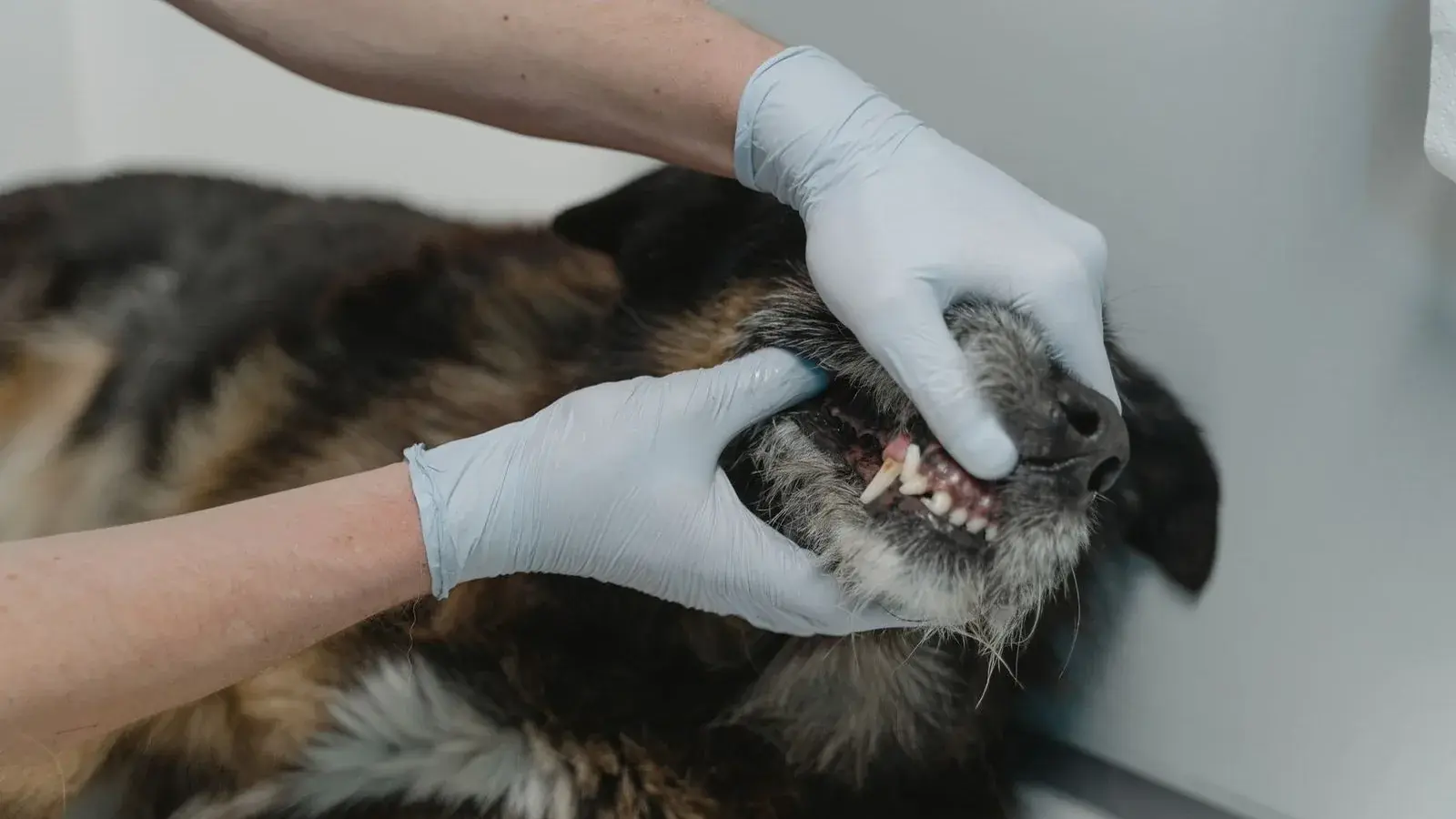
Your vet confirms the diagnosis by feeling the hips and taking X-rays, usually under sedation. The X-ray and the dog do not always match: some dogs with bad-looking hips move well, and some with mild changes are in a lot of pain, so treatment is based on the dog, not just the picture.
See old dog weak back legs for other causes of back-leg trouble.
Treatment options at a glance
| Treatment | Best for | What the evidence shows |
|---|---|---|
| Weight control | Every dog with hip dysplasia | Labradors fed 25% less developed hip arthritis 6 years later |
| Controlled exercise and hydrotherapy | Every dog | Keeps muscle without strain; recommended by the PDSA |
| Monthly pain injection (bedinvetmab, Librela) | Dogs with arthritis pain | Helped more dogs than placebo in two randomized trials |
| Daily anti-inflammatories (NSAIDs) | Dogs with arthritis pain | Standard first-line pain relief |
| Omega-3 fish oil | Long-term joint support | 82% of dogs improved weight bearing vs 38% on control food |
| Green-lipped mussel | Long-term joint support | 67% of dogs improved vs 41% on placebo |
| Juvenile pubic symphysiodesis (JPS) | Puppies picked up very early | Halted or limited progression in mild to moderate cases |
| Triple pelvic osteotomy (TPO) | Young dogs before arthritis | Rotates the socket over the ball; only works before arthritis sets in |
| Femoral head ostectomy (FHO) | Smaller dogs, or when replacement is not possible | Removes the ball so a scar-tissue joint forms |
| Total hip replacement (THR) | Dogs with severe pain that does not respond | 91% to 100% pain-free in eight studies |
Non-surgical treatment
Most dogs with hip dysplasia are treated without surgery, and the PDSA notes that a dog that responds well to daily management can live a long, happy life.
1. Get your dog lean
This is the single most effective thing you can do. In a lifelong study, 48 Labrador puppies were paired with littermates; one of each pair was fed 25% less of the same food for life. By 14 years, 67% of all the dogs had hip arthritis on X-ray, but the leaner dogs developed it much later: median age 12 years, versus 6 years in the dogs fed freely.
Aim for a waist you can see from above and ribs you can feel easily. See senior dog food for weight loss.
2. Exercise little and often
The PDSA advises regular, short lead walks, and avoiding jumping, skidding, chasing, racing around and long sessions. Exercise keeps the thigh and hip muscles strong, and strong muscles stabilize a loose joint.
- Two or three short walks beat one long one.
- Hydrotherapy (swimming or an underwater treadmill) exercises the muscles without loading the hips.
- Avoid ball-chasing, frisbee and rough play with other dogs.
3. Make the house hip-friendly
- Rugs or runners on slippery floors
- A ramp for the car and sofa instead of jumping. See dog ramps vs stairs.
- A thick, supportive bed. See the best bed for a senior dog.
- A support harness with a handle for bad days. See support harnesses for senior dogs.
4. Pain relief
Hip dysplasia hurts, and a dog in pain moves less, loses muscle and gets worse. Talk to your vet about:
- Daily anti-inflammatories (NSAIDs) such as carprofen or meloxicam, the standard first-line pain relief.
- Bedinvetmab (Librela), a monthly injection that blocks nerve growth factor, a key driver of arthritis pain. In a European trial of 287 dogs, 43.5% had a meaningful drop in pain at day 28 versus 16.9% on placebo, and success held at around half of treated dogs through day 84. A US trial of 272 dogs found success rates of 47.4% versus 36.6% at day 28, with further improvement by day 84 on monthly dosing.
Your vet will help choose based on your dog's age, kidneys, liver and other medicines. See arthritis shots for dogs for every injection option compared.
5. Joint supplements
Supplements work alongside weight control and pain relief, and they are something you can do every day at home:
- Omega-3 fish oil. In a randomized trial of 38 dogs with arthritis, 82% of dogs on a food with 3.5% fish oil improved their weight bearing on the worst leg over 90 days, compared with 38% on a standard food. See fish oil dosage by weight.
- Green-lipped mussel. In a 2006 trial of 81 dogs with joint disease, 67% improved by day 56 on a green-lipped mussel extract, against 41% on placebo. Our green-lipped mussel powder is a single-ingredient New Zealand green-lipped mussel topper you stir into food. See green-lipped mussel for dogs: the evidence.
See best joint supplements for senior dogs for a full comparison.
Surgical treatment
Your vet may suggest surgery if your dog is young and the hips are caught early, or if pain does not respond to management. Most hip operations are done by a specialist surgeon.
Preventive surgery for puppies
- Juvenile pubic symphysiodesis (JPS) fuses a growth plate in the pelvis so the sockets tip over the balls as the puppy grows. It has to be done very young: a 2015 review notes it has little effect when done at 5 months or older. In an Italian study of puppies checked at 14 to 22 weeks, 43.2% of puppies treated with JPS ended up with normal or near-normal hips, against 23.6% of puppies managed without surgery. It worked best in mild to moderate cases.
- Triple pelvic osteotomy (TPO) cuts the pelvis in three places and rotates the socket over the ball, held with a bone plate. It is for young dogs before arthritis has developed.
If you have a puppy of an at-risk breed, ask your vet about early hip screening at around 4 months, because these options disappear with age.
Surgery for adult dogs
- Total hip replacement (THR) replaces the ball and socket with an artificial joint. Across eight studies, 91% to 100% of dogs had no hip pain after THR, and a systematic review found THR was one of only two procedures with evidence of a consistent return to normal function.
- Femoral head ostectomy (FHO) removes the ball of the femur so the bone no longer grinds on the socket; a "false joint" of scar tissue forms instead. It is often chosen for smaller dogs or when replacement is not possible. In one study, all 12 owners who responded reported no hip pain after FHO. Rehabilitation afterward, such as swimming or underwater treadmill work, matters a lot for the result.
Treatment for hip dysplasia can add up over a dog's lifetime, which the PDSA notes can reach thousands of pounds. If you have a young dog of an at-risk breed, insurance taken out early, before any signs appear, can cover it.
What Morty's pugs taught us about the hips
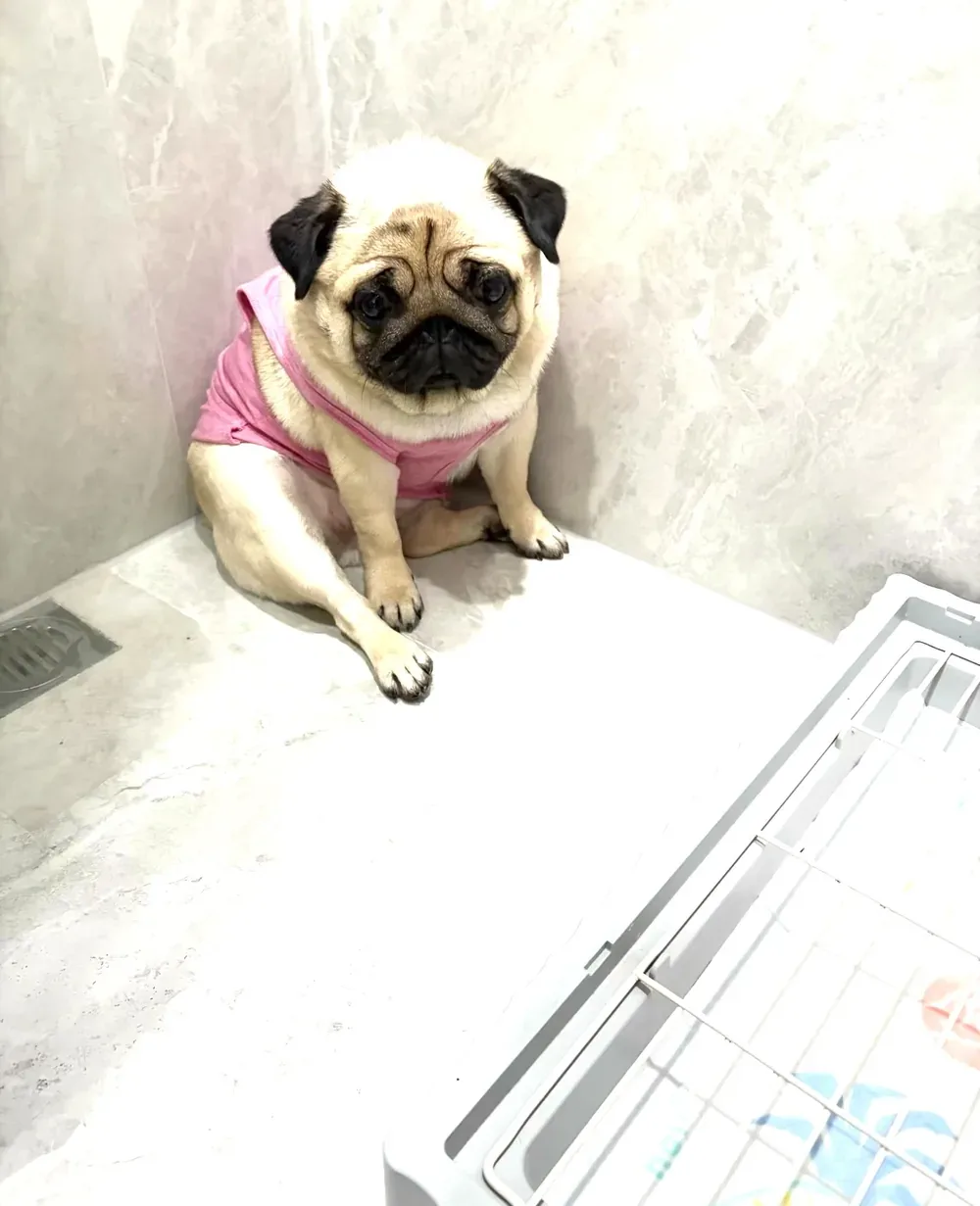
Our founder Morty has raised seven pugs, and every one developed joint problems as it aged. The hardest loss was a pug that, at just 5 years old, developed weakness in its back legs until it could no longer stand. It had surgery but never recovered, and the vet put the problem down to inflammation around the hip.
In Morty's experience, hind-leg trouble is easy to miss in a breed that is not very active anyway. His pugs with sore back legs became unwilling to move, did not even want to go out, sat down often, and cried out when their hips were stroked, even gently. If your dog shows those signs, do not wait for a limp. Early diagnosis keeps more options open, and weight control, exercise and joint support work best when they start before the joint is badly damaged.
Living with hip dysplasia
A simple daily plan for most dogs:
- Weigh monthly and keep your dog lean.
- Two or three short walks a day on soft ground, plus swimming if you can.
- Daily joint support in food: fish oil, green-lipped mussel or both.
- Pain relief as your vet advises, especially on cold or stiff days.
- Non-slip floors, ramps and a good bed at home.
- Recheck with your vet if your dog is slowing down, sitting more or struggling to rise.
FAQ
What is the best thing to do for a dog with hip dysplasia?
Get your dog lean, keep exercise short and regular, and control pain. In a lifelong Labrador study, dogs fed 25% less food developed hip arthritis 6 years later than their littermates. Add joint support such as omega-3s or green-lipped mussel, and talk to your vet about surgery if pain is not controlled.
Can hip dysplasia in dogs heal on its own?
No. The joint shape does not correct itself, and the arthritis it causes is permanent. But many dogs live comfortably for years with weight control, exercise and pain management, and puppies caught very early can have surgery that changes how the hips develop.
How long do dogs live with hip dysplasia?
Many dogs live a long, happy life with hip dysplasia. The PDSA notes that dogs that respond well to weight control, exercise control and pain relief can do very well. The risk is uncontrolled pain, which leads to inactivity, weight gain and muscle loss.
Is walking good for a dog with hip dysplasia?
Yes, in short, regular sessions on a lead. The PDSA recommends short lead walks and avoiding jumping, chasing and long sessions. Swimming is even better because it builds muscle without loading the hips.
Is hip dysplasia painful for dogs?
Yes. The loose joint and the arthritis that follows cause pain, stiffness and swelling, although some dogs hide it well. Reluctance to move, sitting often and crying out when the hips are touched are all signs of pain.
How much does hip dysplasia surgery cost?
It varies widely by procedure, country and clinic. Total hip replacement is the most expensive option and is usually done at a specialist hospital; femoral head ostectomy costs less. Ask your vet for an estimate that includes X-rays, surgery, hospital stay and rehabilitation.
References
- PDSA. Hip dysplasia in dogs.
- Schachner ER, Lopez MJ. Diagnosis, prevention, and management of canine hip dysplasia: a review. Veterinary Medicine: Research and Reports. 2015. PMID: 30101105
- Smith GK, et al. Lifelong diet restriction and radiographic evidence of osteoarthritis of the hip joint in dogs. Journal of the American Veterinary Medical Association. 2006. PMID: 16948575
- Corral MJ, et al. A prospective, randomized, blinded, placebo-controlled multisite clinical study of bedinvetmab, a canine monoclonal antibody targeting nerve growth factor, in dogs with osteoarthritis. Veterinary Anaesthesia and Analgesia. 2021. PMID: 34565678
- Michels GM, et al. A prospective, randomized, double-blind, placebo-controlled multisite, parallel-group field study in dogs with osteoarthritis conducted in the United States of America evaluating bedinvetmab. Veterinary Anaesthesia and Analgesia. 2023. PMID: 37541934
- Roush JK, et al. Evaluation of the effects of dietary supplementation with fish oil omega-3 fatty acids on weight bearing in dogs with osteoarthritis. Journal of the American Veterinary Medical Association. 2010. PMID: 20043801
- Pollard B, et al. Clinical efficacy and tolerance of an extract of green-lipped mussel in dogs presumptively diagnosed with degenerative joint disease. New Zealand Veterinary Journal. 2006. PMID: 16751841
- Vezzoni A, et al. Comparison of conservative management and juvenile pubic symphysiodesis in the early treatment of canine hip dysplasia. Veterinary and Comparative Orthopaedics and Traumatology. 2008. PMID: 18536855
- Bergh MS, Budsberg SC. A systematic review of the literature describing the efficacy of surgical treatments for canine hip dysplasia (1948-2012). Veterinary Surgery. 2014. PMID: 24837650
- Rehnblom E, Gordon-Evans WJ. Are dogs with hip dysplasia in less pain after total hip replacement than femoral head ostectomy? Veterinary Evidence. 2022. PMID: 42007296
For individual health questions, your veterinarian remains the best partner.