TL;DR
Green lipped mussel powder smell can vary between batches, even when the ingredient list stays the same. Smell alone is not a reliable quality test, so compare the label, lot information, storage condition, appearance, and your dog’s response instead of expecting every container to smell identical.
Is green lipped mussel powder supposed to smell fishy?
Usually, a marine ingredient can have a noticeable ocean-like, seafood, or fishy odor. The exact strength may change with the harvest, processing, packaging, age of the batch, and storage conditions. A mild difference from the last container does not automatically mean the powder is poor quality.
The more useful question is whether the current container matches its own label and storage instructions. Check that green-lipped mussel is the named ingredient, look for added flavorings or carriers, and note the lot or batch information. A product with one clearly named ingredient gives you fewer variables to compare than a blend with several marine ingredients, flavor bases, or fillers.
A sourcing claim also needs context. New Zealand origin can be a useful label detail, but it is not the same as a complete supply-chain record. The checklist in New Zealand Green Lipped Mussel Authenticity: Label Checks explains which label details are worth checking together.
Why can the smell change from one batch to another?
A single-ingredient marine powder is not necessarily identical from harvest to harvest. Natural raw materials can differ in odor, color, and texture. Processing and drying can also affect how strongly the marine aroma comes through when you open the container.
Packaging and storage add another layer. A recently opened container may smell stronger because the powder has not been exposed to air for long. A lid that is not closed fully, a damp scoop, heat, or humidity can change the powder’s smell or texture over time. That does not tell you exactly what happened, but it gives you practical details to check before serving it.
The comparison should be fair. Do not judge a new container against a half-empty container that has been open for weeks, stored in a different room, or handled with a wet scoop. If you still have both containers, place them side by side and compare:
- the ingredient panel
- the lot or batch code
- the best-before information
- the color and texture
- the storage directions
- whether either container has been exposed to moisture or heat
The article green-lipped mussel powder for dogs: five brands compared can help when the real issue is comparing labels and published product information rather than judging odor alone.
What does smell tell you, and what does it not tell you?
Smell can alert you to a noticeable change, but it cannot confirm ingredient potency, freshness, purity, or effectiveness. A stronger seafood odor is not proof that a batch contains more of the useful part of the ingredient. A weaker odor is not proof that the powder has lost its value.
This matters because sensory judgment is personal and inconsistent. One owner may describe the same powder as mildly marine, while another may call it fishy. Your own sense of smell can also change from day to day, especially after handling other foods or products.
Treat odor as one observation in a short quality check, not as a pass-or-fail test. Record what you notice in plain language, such as “milder than the previous container” or “new sharp odor after storage near the sink.” Avoid turning that description into a conclusion the smell cannot support.
The same caution applies to expected benefits. Evidence about green-lipped mussel in dogs does not establish that every commercial powder has been clinically tested in the same way. Green-lipped mussel for dogs: what canine studies can and cannot tell us explains why research on an ingredient should not be treated as proof for every product or every dog.
A five-minute batch comparison checklist
Use this process when a new container smells different:
1. Read the full label. Confirm the named ingredient and check whether the formula has changed. 2. Write down the batch details. Note the lot code, best-before date, and the date you opened the container. 3. Inspect the powder. Look for an unexpected change in color, dampness, or texture compared with the label description or your previous container. 4. Review storage. Check whether the lid closes securely and whether the scoop and surrounding area stay dry. 5. Contact the seller before serving if the change is sharp or unexplained. Include the lot code, photos of the label and powder, and a short description of how it was stored.
If the label, appearance, and storage all look consistent and the only difference is a modest change in marine odor, consistency of smell is not a meaningful quality signal by itself. If the package is damaged, the powder has become wet, or the smell changed sharply after opening, pause and ask the seller for guidance rather than trying to disguise the odor in food.
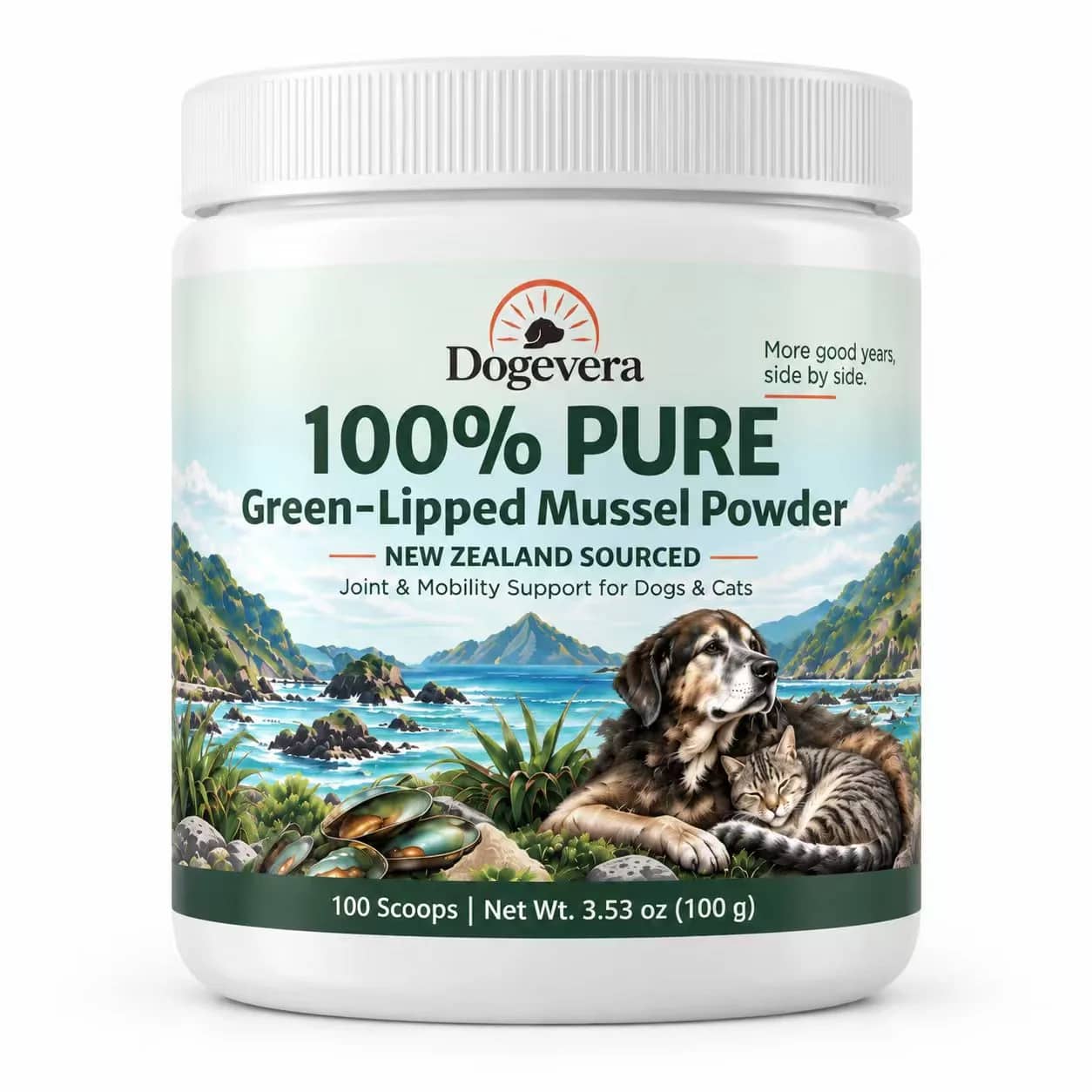
For owners who choose a single-ingredient format, New Zealand green-lipped mussel powder for dogs is the relevant product page to review for the current package information and storage directions. Always use the final label in the container you have.
How can you make a fair smell comparison at home?
Keep the comparison simple and repeatable. Open both containers briefly in the same room, use a clean, dry scoop for each, and write down what you notice before mixing either powder with food. Do not taste the product, add water to test it, or leave the containers open while comparing them.
Then check again after the current container has been stored according to its instructions. A brief note can prevent memory from turning a small difference into a much larger one:
| Observation | What it can help you decide | |---|---| | Mildly different marine odor | Continue checking the label and storage details | | New odor plus damp or changed texture | Pause and contact the seller | | Damaged seal or package | Do not rely on smell; ask the seller about replacement or next steps | | Odor changes after poor storage | Correct storage and ask for guidance before serving |
This process does not verify purity or potency. It simply separates an ordinary batch-to-batch sensory difference from a packaging, storage, or product question that deserves follow-up.
FAQ about green lipped mussel powder smell
Does a stronger smell mean the powder is better?
No. Odor strength is not a dependable measure of ingredient quality, potency, or effectiveness.
Should every container smell exactly the same?
No. Natural marine ingredients and storage conditions can produce noticeable differences between containers.
What should I do if the smell changes suddenly?
Pause, check the package, lot code, appearance, storage conditions, and label. If the change is sharp or comes with dampness, damage, or an unusual texture, contact the seller before serving it.
Can I hide the smell in my dog’s food?
If you are unsure whether the change is normal, do not cover it up with food first. Resolve the package or storage question before continuing the routine.
If your dog develops a new health change after starting any supplement, stop and discuss the pattern with your veterinarian.
For individual health questions, your veterinarian remains the best partner.