TL;DR
New Zealand green lipped mussel authenticity is easiest to assess by looking for clear, specific label details, not by relying on a front-label origin phrase alone. Check what ingredient is named, whether the product identifies its place of origin, and which parts of sourcing or processing remain undisclosed.
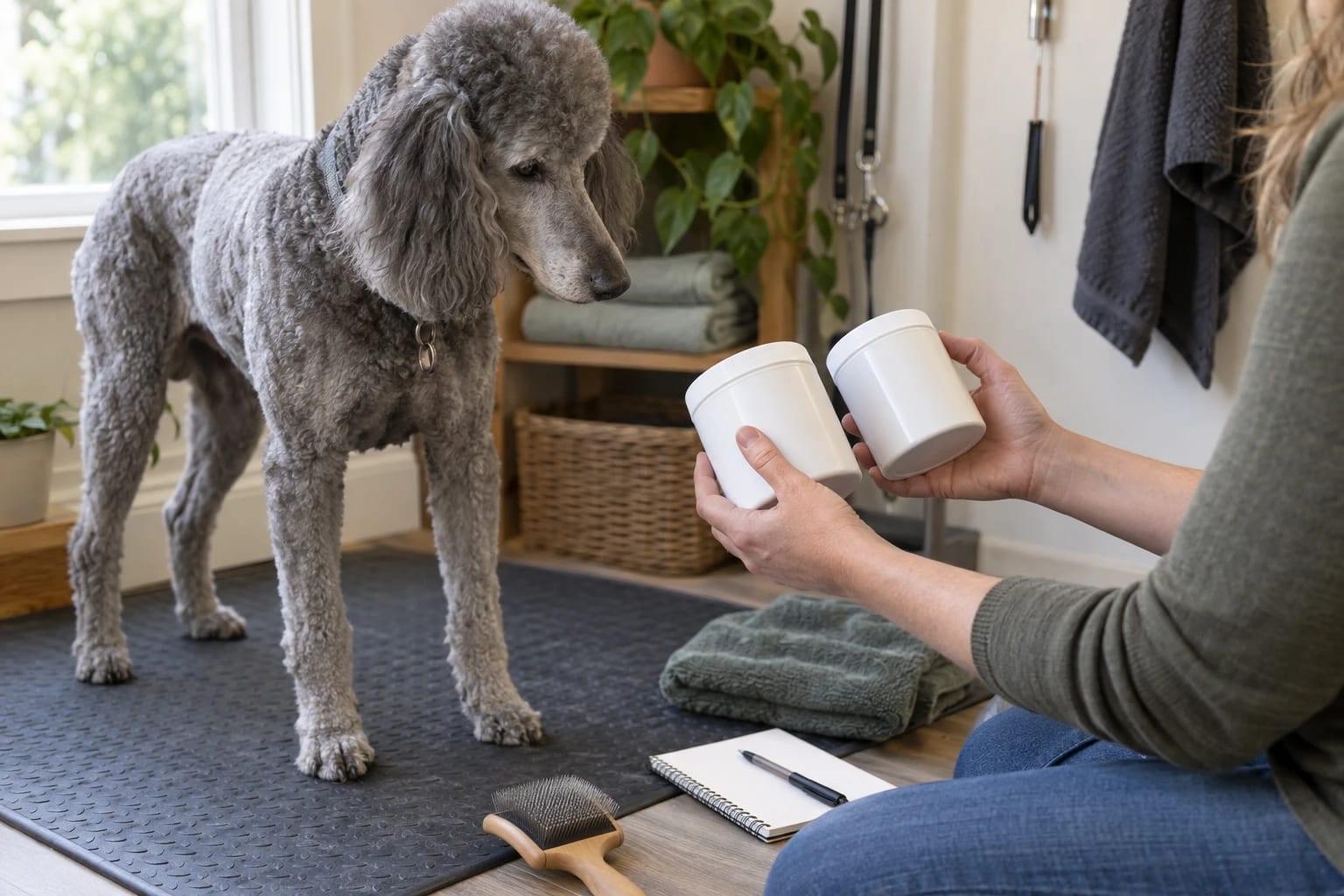
Before buying, compare the complete label for two or three options and save a photo of each one. That gives you a practical record if you need to reorder or ask the brand a specific question later.
What does a New Zealand origin claim actually mean?
A package that says “New Zealand green-lipped mussel” may be pointing to the ingredient’s origin, but the phrase does not automatically describe every step between harvest and the finished jar. A label may or may not tell you where mussels were harvested, where the ingredient was processed, where the final product was packed, or whether other ingredients came from elsewhere.
Treat an origin statement as one useful detail rather than a complete authenticity guarantee. The most helpful labels make it easy to distinguish the named mussel ingredient from the finished supplement.
Green-lipped mussel is often chosen for senior dogs with mobility concerns, but origin is separate from evidence. For a closer look at what canine research can and cannot support, see green-lipped mussel for dogs and canine studies.
Read the full ingredient panel first
Start with the back or side panel, not the largest claim on the front. Look for a clearly named ingredient such as green-lipped mussel or New Zealand green-lipped mussel. Then check whether the panel identifies a single ingredient or a blend that includes several marine, plant, flavoring, or filler ingredients.
A clear panel helps you answer basic buying questions:
- Is green-lipped mussel named directly?
- Does the label say where the mussel ingredient comes from?
- Are other ingredients listed plainly?
- Does the package identify the company responsible for the finished product?
- Are serving directions and storage directions available on the final package?
If the source statement is broad, such as “premium marine ingredients,” you have less information to work with than when the ingredient and origin are spelled out. That does not prove a product is poor quality. It simply means the label gives you fewer details to compare.
For a wider label-reading routine, use this guide to dog supplement ingredient sourcing.
Which supply-chain details are disclosed?
Use this quick comparison process when you have products in front of you. Make three columns on paper or in your phone: ingredient, origin, and finished product details. Copy only what each label actually says.
| Label detail | What to record | What it helps you compare | | --- | --- | --- | | Ingredient name | The exact mussel wording | Whether green-lipped mussel is clearly identified | | Origin statement | Any country or region named | Whether New Zealand is specifically disclosed | | Finished-product information | Brand, contact details, and package information | Who is responsible for the item you are buying | | Other ingredients | The complete listed ingredients | Whether the product is a simple powder or a broader blend | | Storage and serving directions | Exact package instructions | Whether you can use and store the product consistently |
Keep the distinction between “disclosed” and “assumed” clear. If a label says the mussels are from New Zealand, write that down. Do not fill in unstated details about harvesting, processing, testing, or packing location.
Compare like with like before choosing
Authenticity is only one part of a sensible purchase decision. Once you have identified products with equally clear origin information, compare the form, complete ingredient list, serving directions, and practical fit for your dog’s routine.
For example, a straightforward powder may suit a dog who reliably finishes a small food portion, while another household may prefer a different format. The best choice is the one whose label you can understand and whose daily routine you can follow without guessing.
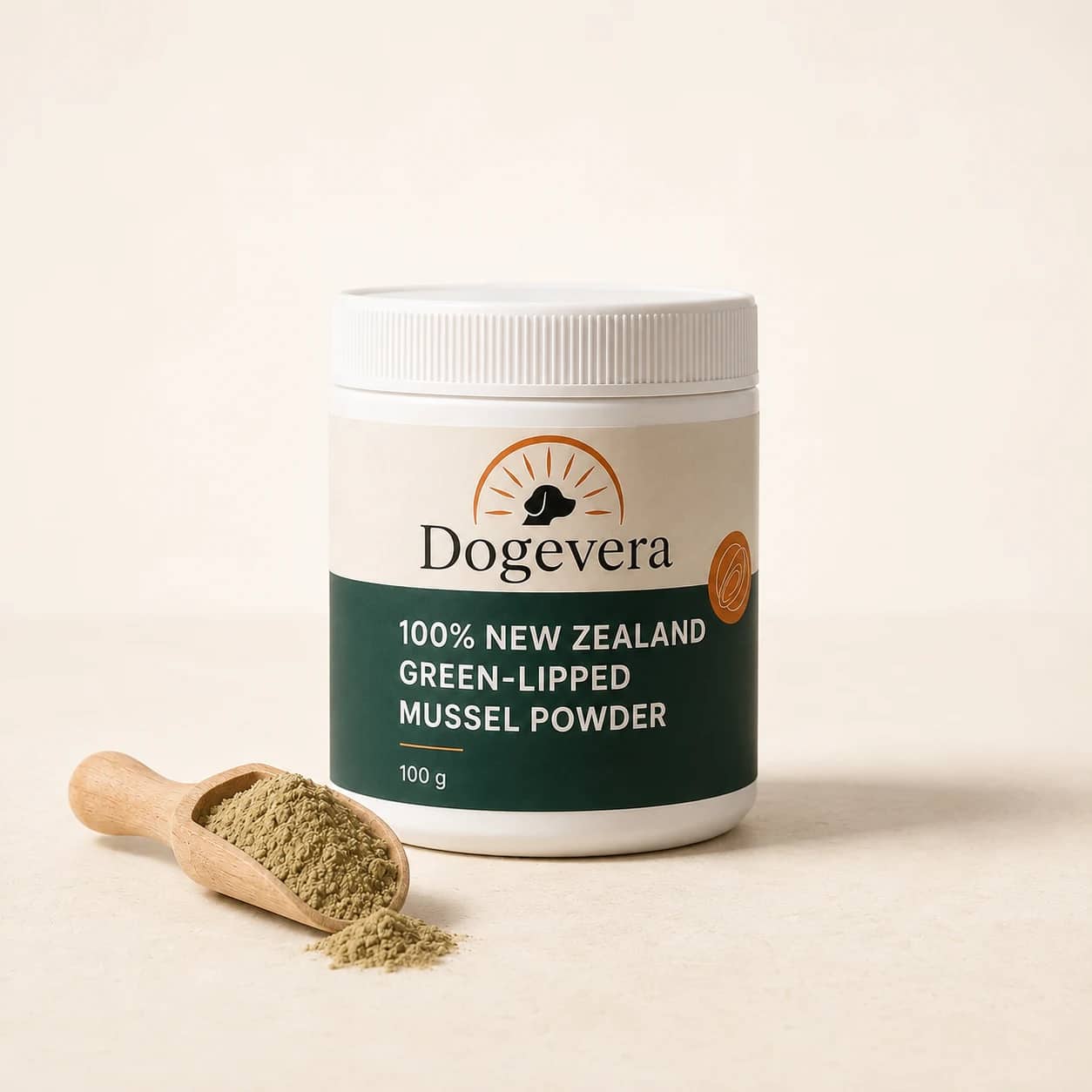
When reviewing a specific option, apply the same checklist to New Zealand Green-Lipped Mussel Powder for Dogs: read the current package information, confirm the ingredient wording, and use the final label in your hands as your reference.
Avoid treating an origin statement as proof that every product using the same ingredient will perform the same way. Formulation, ingredient amounts, feeding consistency, and your dog’s individual situation all matter when weighing a supplement. Dog joint supplement evidence varies by formulation, so it is reasonable to keep source transparency and product claims as separate questions.
A clear label makes repeat buying easier
After choosing a product, save photos of the front label, ingredient panel, serving directions, and lot information if it is shown. Packaging can change, and a saved photo helps you spot a changed ingredient list or a different origin statement before you buy again.
Use the same small record for every reorder. If you cannot find a detail you consider important, contact the company with one direct question, such as: “Does the New Zealand statement refer to the green-lipped mussel ingredient, the finished product, or both?” A specific question is more likely to produce a useful answer than a general request for reassurance.
FAQ
Is “New Zealand green-lipped mussel” the same as a full supply-chain disclosure?
No. It may identify the origin of the mussel ingredient, but it may not state where processing, blending, or final packing occurred.
Should I choose a product only because the front label says New Zealand?
No. Read the ingredient panel, origin wording, company information, and serving directions before deciding.
What if the label does not explain where the mussels come from?
Compare another product with clearer information or ask the company a specific sourcing question before purchasing.
For individual health questions, your veterinarian remains the best partner.