TL;DR
Homemade dog food can work well for an older dog, but only if the recipe is complete and balanced, which most published recipes are not. In an analysis of 106 home-prepared diet recipes, every single dog recipe was short of at least one nutrient, with vitamin E low in 83%, zinc in 76%, iron in 68% and vitamin B12 in 61% of dog recipes, and almost half did not even give precise ingredient amounts. Recipes sold for dogs with kidney disease were no better: none of 39 met all nutrient recommendations, and 77% were low in protein or at least one amino acid. Even commercial raw meals labelled "complete" failed: none of 33 met all mineral recommendations, and all were low in selenium. So the safe way to cook for a senior dog is to use a recipe formulated for your dog by a board-certified veterinary nutritionist (or a validated online formulation service), with the vitamin-mineral supplement it specifies, enough high-quality protein to protect muscle, and the right calories for your dog's weight.
Why older dogs need a careful recipe
- Protein: healthy senior dogs need good protein to hold on to muscle. Protein is only restricted for specific diseases such as advanced kidney disease. See high-protein senior dog food.
- Calories: many older dogs need fewer calories and gain weight easily; some lose weight and need more. See obesity in dogs and older dog losing weight.
- Calcium and phosphorus: meat is rich in phosphorus and poor in calcium. Without added calcium, a meat-and-rice diet is badly unbalanced.
- Vitamins and trace minerals: zinc, iron, iodine, vitamin E, vitamin D and B vitamins are the ones home recipes most often miss.
- Health conditions: kidney, liver, heart and gut disease each need different adjustments. See dog food for kidney disease.
What the studies found
Home-prepared recipes
In the analysis of 106 recipes published in Portuguese (80 for dogs):
| Nutrient | Dog recipes below recommendation |
|---|---|
| Vitamin E | 82.9% |
| Zinc | 75.6% |
| Iron | 68.3% |
| Vitamin B12 | 61% |
| Thiamine (vitamin B1) | 39% |
All the diets had at least one nutrient below the recommendation, every nutrient checked was deficient in at least one diet, and 48% of recipes did not give precise ingredients and quantities.
Recipes for dogs with kidney disease
In 39 home-prepared recipes promoted for dogs with kidney disease:
- No recipe met all nutrient recommendations for adult dogs.
- 76.9% were low in protein or at least one essential amino acid.
- 61.5% were low in zinc and 56.4% low in calcium.
These are the dogs least able to cope with an unbalanced diet.
"Complete" raw meals
In 33 commercial raw dog meals labelled complete, none covered all the mineral recommendations, selenium was low in all of them, and two containing game meat had lead above permitted levels.
How to cook for an older dog safely
- Get a formulated recipe. Ask your vet for a referral to a board-certified veterinary nutritionist, or use a recipe service run by one. Tell them your dog's weight, body condition, health problems and medicines.
- Follow the recipe exactly. Weigh ingredients on a kitchen scale; do not swap proteins or skip the oil.
- Use the specified vitamin-mineral supplement. This is what makes a home diet complete. A general multivitamin cannot replace the one the recipe calls for. See supplements for homemade dog food.
- Switch gradually over a week or so to avoid stomach upsets.
- Weigh your dog every 2 to 4 weeks and adjust portions with the nutritionist.
- Recheck blood tests at your dog's regular senior checks.
What a typical balanced senior recipe contains
- A lean protein such as chicken, turkey, white fish, eggs or lean beef.
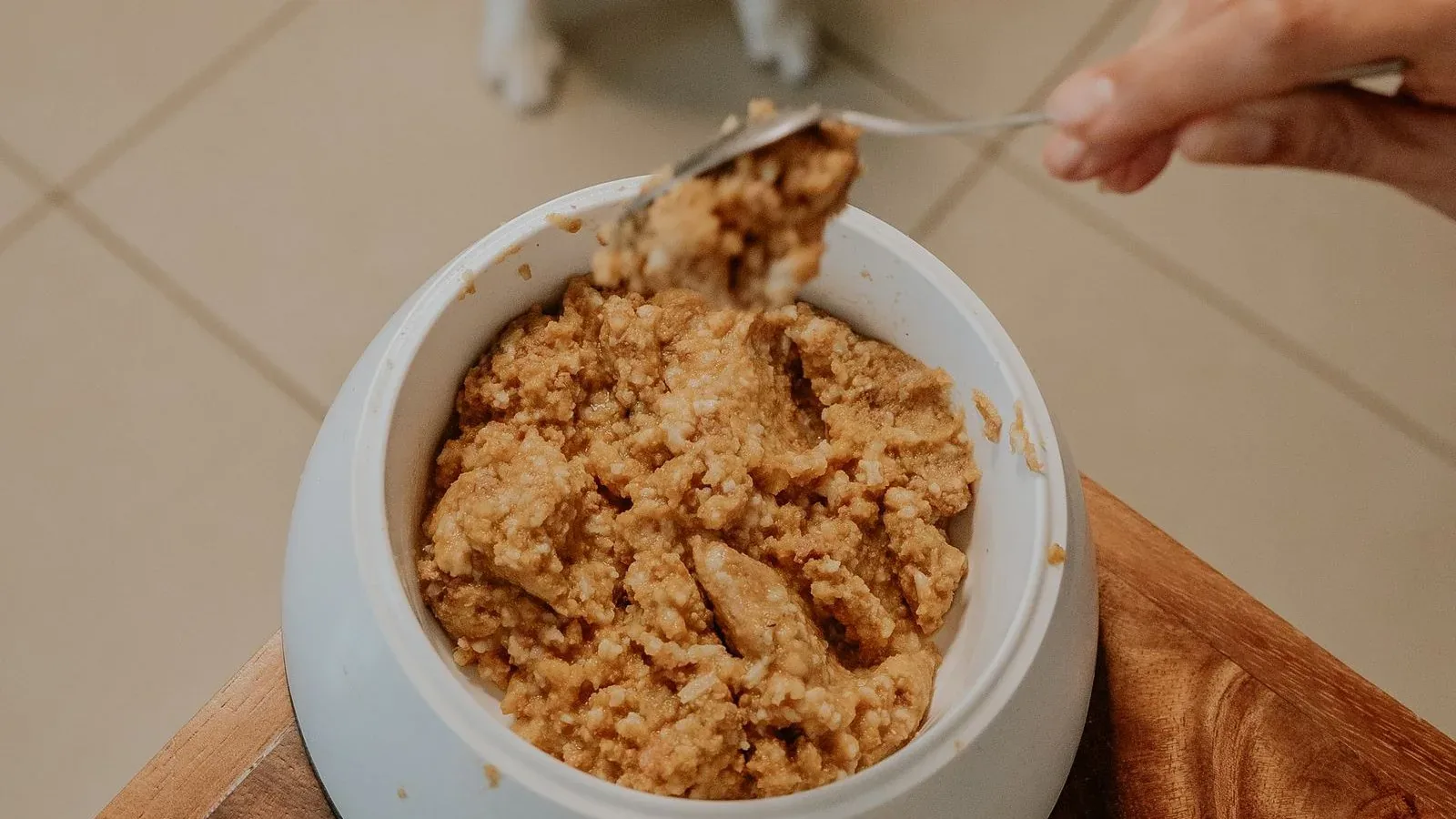
- A cooked carbohydrate such as rice, potato, sweet potato or oats.
- Vegetables such as carrots, green beans or pumpkin for fiber.
- A measured oil for essential fatty acids, often including fish oil.
- Calcium and a complete vitamin-mineral mix in the amounts specified.
Foods to keep out
Onions, garlic, chives, grapes, raisins, chocolate, macadamia nuts, xylitol, cooked bones, very fatty cuts and heavily salted or seasoned food.
Short-term home cooking is different
A few days of plain, bland food for an upset stomach does not need to be complete. See bland diet for dogs. The problems come when an unbalanced recipe is fed for weeks or months.
A middle path: toppers
If cooking every meal is too much, feed a complete commercial senior food and add a small amount of cooked lean meat, egg or vegetables as a topper, keeping toppers to a small share of daily calories so the diet stays balanced. Our New Zealand Green-Lipped Mussel Powder and Daily Dental Cleaning Powder are designed to be stirred into either commercial or home-cooked meals for joint and dental support.
FAQ
Is homemade food better for senior dogs?
It can be, if the recipe is formulated to be complete and balanced for your dog. Most published recipes are not: every dog recipe in one analysis of 106 recipes was short of at least one nutrient.
What should I put in homemade dog food for an older dog?
A lean protein, a cooked carbohydrate, vegetables, a measured oil, calcium and a complete vitamin-mineral supplement, in amounts set by a veterinary nutritionist.
How much protein does an older dog need in homemade food?
Healthy older dogs need good-quality protein to maintain muscle and should not be protein-restricted unless a vet advises it for a specific disease.
Is chicken and rice enough for an older dog long term?
No. It is fine for a few days as a bland diet but lacks calcium and several vitamins and minerals for long-term feeding.
Can I make homemade food for my dog with kidney disease?
Only with a recipe from a veterinary nutritionist. In a study of 39 recipes promoted for kidney disease, none met all nutrient recommendations.
References
- Pedrinelli V, Gomes MOS, Carciofi AC. Analysis of recipes of home-prepared diets for dogs and cats published in Portuguese. Journal of Nutritional Science. 2017. PMID: 29152237
- Larsen JA, et al. Evaluation of recipes for home-prepared diets for dogs and cats with chronic kidney disease. Journal of the American Veterinary Medical Association. 2012. PMID: 22332622
- Moravszki L, et al. Assessment of mineral adequacy in preprepared raw dog foods labeled as complete. Scientific Reports. 2025. PMID: 41365935
For individual health questions, your veterinarian remains the best partner.