In this article
TL;DR
Probiotics for dogs are live bacteria or yeasts that, given in the right amount, help the dog that takes them. The best-supported uses are itchy skin as an add-on to standard treatment, stress and anxiety, and gut upsets, but every result belongs to a specific strain, not to probiotics in general. In a 90-day placebo-controlled trial of 40 dogs with atopic dermatitis, dogs given Lacticaseibacillus rhamnosus GG on top of their usual itch medicine had bigger drops in skin lesion scores, and only they improved on itch. In a 4-week placebo-controlled trial of 40 dogs, a Lactiplantibacillus plantarum strain improved anxiety and aggression scores, and treated dogs settled faster after their owners left. Choose a product that names the genus, species and strain and states the CFU per serving. For the mouth, look for a dental product that pairs probiotics with ingredients that act on plaque.
What probiotics do in dogs
A dog's gut, skin and mouth are home to trillions of microbes. Probiotics add helpful strains to that mix. Depending on the strain, they can:
- Crowd out unwanted bacteria by competing for space and food
- Produce substances such as lactic acid and short-chain fatty acids that support the gut lining
- Calm the immune response, which is why some strains help allergic skin
- Talk to the brain through the gut-brain axis, which is the idea behind probiotics for anxiety
What the dog studies show
| Use | What was tested | Result |
|---|---|---|
| Itchy skin (atopic dermatitis) | L. rhamnosus GG for 90 days in 40 dogs, added to oclacitinib | Lesion scores fell more than with placebo; itch improved only in the probiotic group; no side effects reported |
| Anxiety and aggression | L. plantarum LP815 for 4 weeks in 40 dogs | Anxiety and aggression scores improved versus placebo; dogs settled faster after departures |
| Chronic gut disease | Bacillus velezensis added to a hydrolysed diet in 13 dogs | The diet improved all dogs; the extra benefit from the probiotic varied between dogs |
| Preventing diarrhoea in puppies | A synbiotic for 5 weeks in over 800 assistance-dog puppies | No difference in diarrhoea, gut disease or allergy |
Two lessons come out of this table. First, the strongest results are for specific strains in specific problems, so a label that just says "probiotic blend" tells you very little. Second, probiotics work best alongside the right treatment, not instead of it: the skin trial added the probiotic to standard itch medicine.
For sudden diarrhoea, a 2024 European guideline (ENOVAT) reviewed both antibiotics and probiotics for dogs with acute diarrhoea and advises against antibiotics for most uncomplicated cases. Most mild cases settle with a bland diet; see bland diet for dogs. A dog with bloody diarrhoea, vomiting, lethargy or diarrhoea lasting more than a couple of days needs a vet.
How to choose a probiotic for your dog
- Named strains. Look for the genus, species and strain code, for example Lacticaseibacillus rhamnosus GG. Results from one strain do not transfer to another.
- CFU per serving. CFU (colony-forming units) is the number of live organisms. The label should state it per serving and, ideally, guarantee it until the expiry date, not just at manufacture.
- Made for dogs. Dog products are dosed for dogs and free of xylitol and other ingredients that are unsafe for them.
- A form your dog will take. Powders mix into food; chews are easy for picky dogs; capsules can be opened.
- Storage. Follow the label. Heat and moisture kill live cultures.
Probiotics for the mouth
Bad breath and plaque start with bacteria in the mouth, so oral probiotics are a natural fit for dental care. Look for a dental product that pairs probiotics with ingredients that act on plaque, such as the brown seaweed Ascophyllum nodosum and sodium hexametaphosphate, which binds the calcium plaque needs to harden into tartar. Read the research on the main ingredient in dental powder for dogs: the evidence, and see probiotics for dog bad breath for the oral side in more detail. Daily brushing is still the gold standard: how to brush your dog's teeth.
Side effects and safety
Probiotics are generally well tolerated. Some dogs have a little gas or softer stool in the first few days; starting with half a serving for a week usually avoids it. Ask your vet first if your dog is very ill, immunosuppressed or on chemotherapy, because live microbes are not right for every patient.
Probiotics for older dogs
Senior dogs often deal with the problems probiotics are studied for: allergic skin, sensitive stomachs, dental disease and anxiety that can come with cognitive changes. A probiotic will not fix an underlying disease, but the right strain for the right problem is a low-risk addition to a senior dog's routine.
FAQ
How do I know if my dog needs a probiotic?
Dogs that may benefit include those with itchy allergic skin, frequent soft stools or tummy upsets, anxiety, or bad breath. Diarrhoea with blood, vomiting or lethargy needs a vet first.
What can I give my dog as a natural probiotic?
Plain, unsweetened yogurt or kefir contains live cultures, but the strains and amounts are not designed for dogs and many dogs do not tolerate dairy well. A dog-specific product with named strains and a stated CFU is more reliable.
What is the best probiotic for dogs?
The best probiotic is the one tested for your dog's problem. L. rhamnosus GG has a placebo-controlled trial in allergic skin; L. plantarum LP815 has one in anxiety. For the mouth, choose a dental product that pairs probiotics with ingredients that act on plaque.
Can I give my dog human probiotics?
Some human strains are also used in dogs, but human products are dosed for people and can contain xylitol or other ingredients that are dangerous for dogs. A dog product is the safer choice.
How long do probiotics take to work in dogs?
Gut changes can show within days. Skin and behaviour trials ran for 4 to 12 weeks, so give a probiotic at least a month before judging it.
References
- Efficacy of Lacticaseibacillus rhamnosus GG in the treatment of canine atopic dermatitis: a randomized controlled study. 2025. https://pubmed.ncbi.nlm.nih.gov/40839184/
- Efficacy of a novel Lactiplantibacillus plantarum strain (LP815) in reducing canine aggression and anxiety: a randomized placebo-controlled trial. 2025. https://pubmed.ncbi.nlm.nih.gov/40805070/
- Clinical and faecal outcomes in adult dogs with chronic enteropathy fed a hydrolysed protein diet with and without Bacillus velezensis DSM 15544. 2026. https://pubmed.ncbi.nlm.nih.gov/42651986/
- Randomised controlled trial finds no evidence that a synbiotic improves health in assistance dog puppies. 2026. https://pubmed.ncbi.nlm.nih.gov/41618684/
- European Network for Optimization of Veterinary Antimicrobial Therapy (ENOVAT) guidelines for antimicrobial use in canine acute diarrhoea. 2024. https://pubmed.ncbi.nlm.nih.gov/39074542/
Put this into practice
Daily joint support for senior dogs
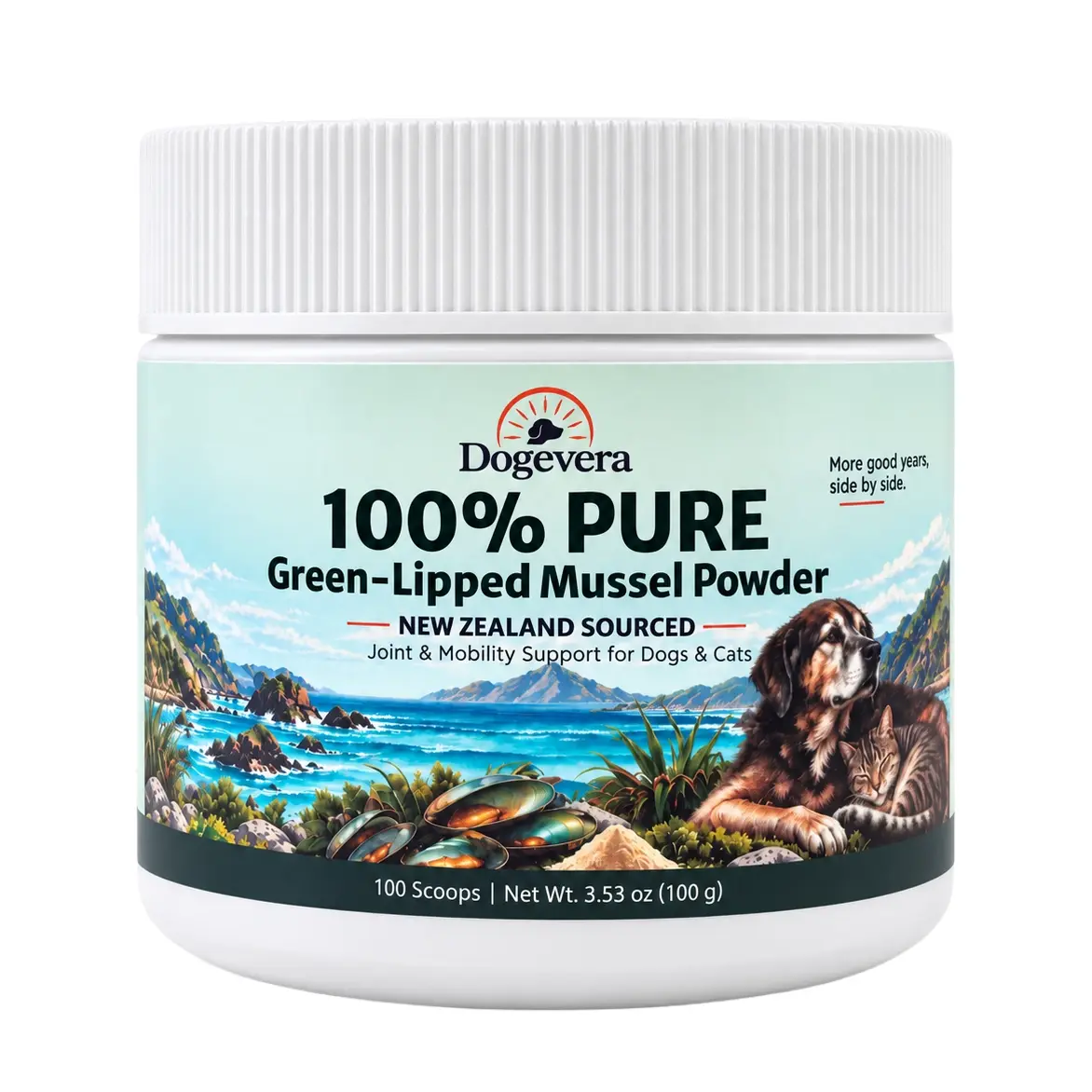
100% New Zealand Green-Lipped Mussel Powder for Dogs4.5142 reviews
- 100% New Zealand green-lipped mussel. No fillers, no blends.
- Naturally rich in ETA omega-3s and GAGs for hips and joints
- One scoop on food, dosed by your dog’s weight
Black Friday40% off your first subscription order
Free shipping · 100-day money-back guarantee