TL;DR
All-natural dog dental powder may fit a daily routine, but label claims do not replace a veterinary oral exam or professional cleaning. Check the ingredient panel for active compounds, understand what evidence supports the product, and recognize that even a well-formulated powder addresses plaque film, not hardened tartar.
Your senior dog's breath smells worse than it used to, and a quick online search shows dozens of dental powders promising cleaner teeth without brushing. Before you buy one, it helps to know what natural ingredients are supported by research, what a powder can realistically do, and when home care is not enough.
What does "all natural" mean on a dog dental product?
All natural is a marketing phrase, not a regulated standard. A powder may contain seaweed, probiotics, herbs, or enzymes, and all of those can be called natural. The label term does not tell you whether the ingredient has been studied in dogs, how much is in each serving, or whether the formulation has been tested for safety and efficacy.
Start by reading the full ingredient panel, not just the front-of-package claim. Look for named compounds with published research, such as Ascophyllum nodosum (a brown seaweed) or specific probiotic strains. If the label lists only broad categories like "herbal blend" or "natural enzymes," you have no way to evaluate what you are buying.
Do dental powders actually work?
Some ingredients have shown modest benefits in controlled studies, but results vary by formulation, serving size, and how consistently the product is used. Dental powder for dogs: what brown-algae studies actually show explains that Ascophyllum nodosum may reduce plaque accumulation and soften existing deposits when fed daily, but it does not remove calcified tartar. Probiotics targeting oral bacteria have been studied in dogs, though strain selection and viable colony counts matter.
A powder may help maintain cleaner teeth between professional cleanings, but it is not a substitute for brushing or veterinary dental care. If your dog already has visible tartar, brown staining along the gumline, or bad breath that persists after you start using a powder, schedule an oral exam. Does dental powder remove tartar on dogs? covers what a powder can and cannot address once tartar has formed.
What to look for in the ingredient list
A useful ingredient panel names the active compound, lists it near the top, and states the amount per serving. Compare these details:
- Ascophyllum nodosum (brown seaweed): Studies in dogs used daily doses, and the effect was seen over weeks, not days. Check whether the label states the amount per serving and whether the product includes a guaranteed analysis.
- Probiotics: Look for a named strain (e.g., Lactobacillus plantarum, Streptococcus salivarius) and a colony-forming unit (CFU) count. A vague "probiotic blend" tells you nothing about viability or dose.
- Enzymes: Amylase, protease, and glucose oxidase may help break down plaque-forming debris. The label should state which enzymes are included and whether they remain active after the product is mixed into food.
- Herbs and extracts: Parsley, peppermint, cinnamon, and clove are common additions. They may freshen breath, but they do not replace the active ingredients above.
If the first ingredient is a flavor base (chicken meal, salmon meal, or broth powder), the product may be more treat than dental tool.
Safety considerations for senior dogs
Natural does not mean risk-free. Before adding a dental powder to your senior dog's routine, check for these concerns:
- Sodium content: Seaweed-based powders can be high in sodium. If your dog has heart disease, kidney disease, or is on a sodium-restricted diet, ask your veterinarian before using one.
- Allergens: Dog supplement allergens: chicken and shellfish in the fine print explains that flavor bases often include chicken, fish, or shellfish. Read the full panel if your dog has food sensitivities.
- Iodine: Brown seaweed contains iodine. Most dogs tolerate typical serving sizes, but excessive iodine can affect thyroid function. Stick to the label directions.
- Interactions: Some herbal extracts may interact with medications. If your dog takes blood thinners, anti-seizure drugs, or other prescriptions, confirm with your veterinarian that the powder is safe to use.
A prospective study of thirty-one asymptomatic, mostly older dogs diagnosed with periodontal disease found that increased age and severity of dental disease were linked to abnormal kidney function biomarker values before dental cleaning under anesthesia. Age was associated with elevated SDMA and creatinine concentrations and isosthenuric urine specific gravity values, while disease severity was linked to elevated urine protein-to-creatinine ratios. This underscores why senior dogs with dental disease need veterinary monitoring, not just home care.
How to use a dental powder in a realistic routine
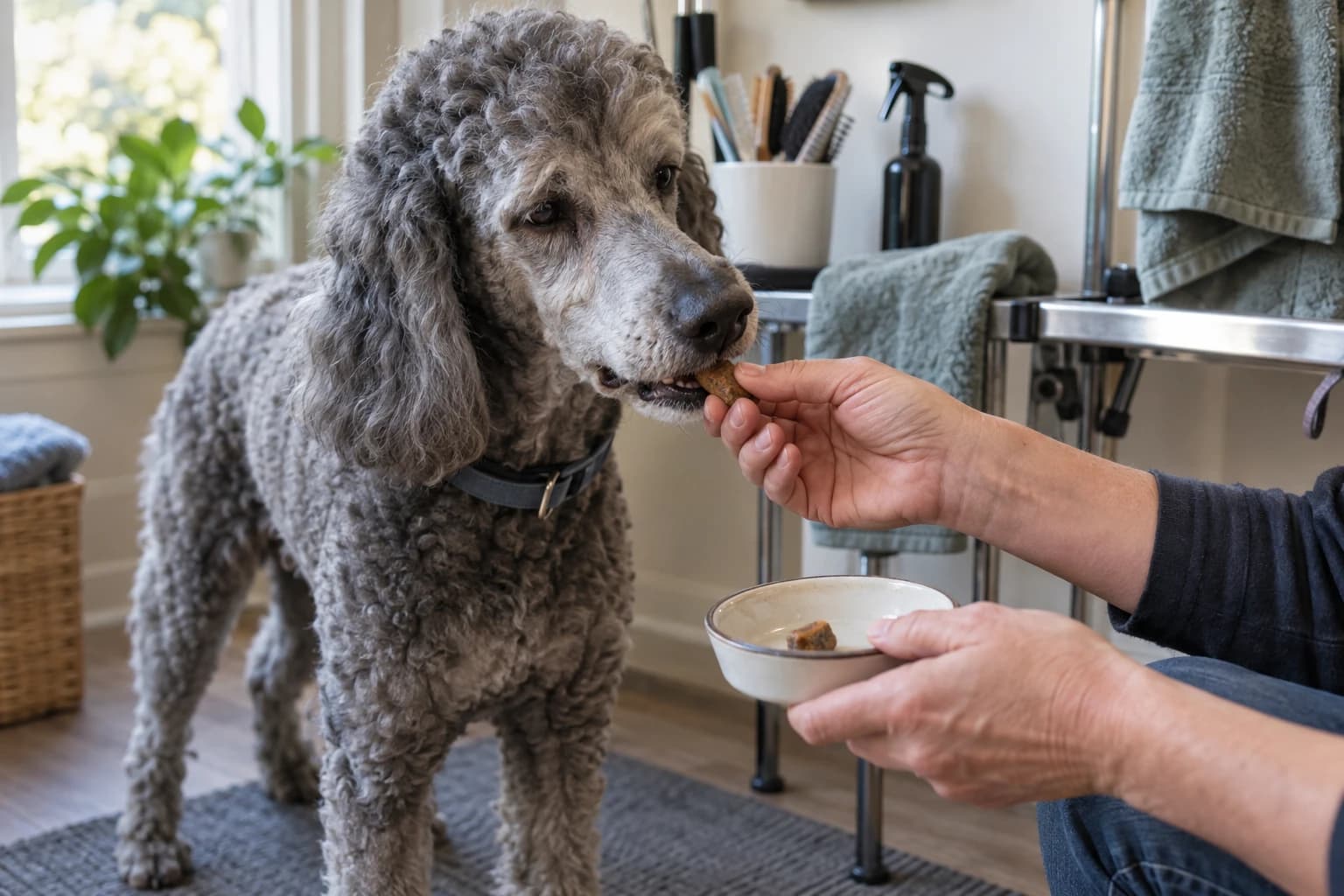
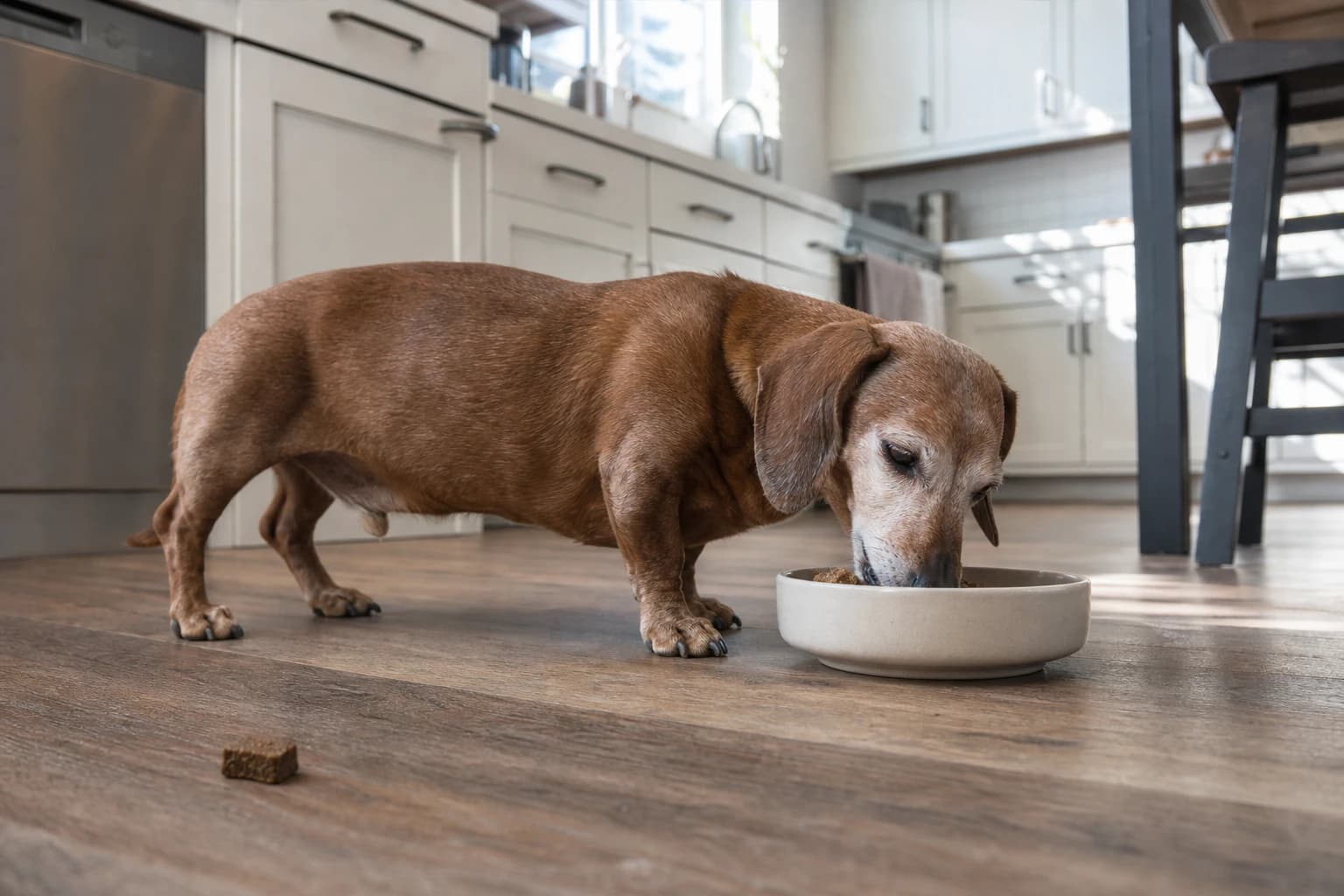
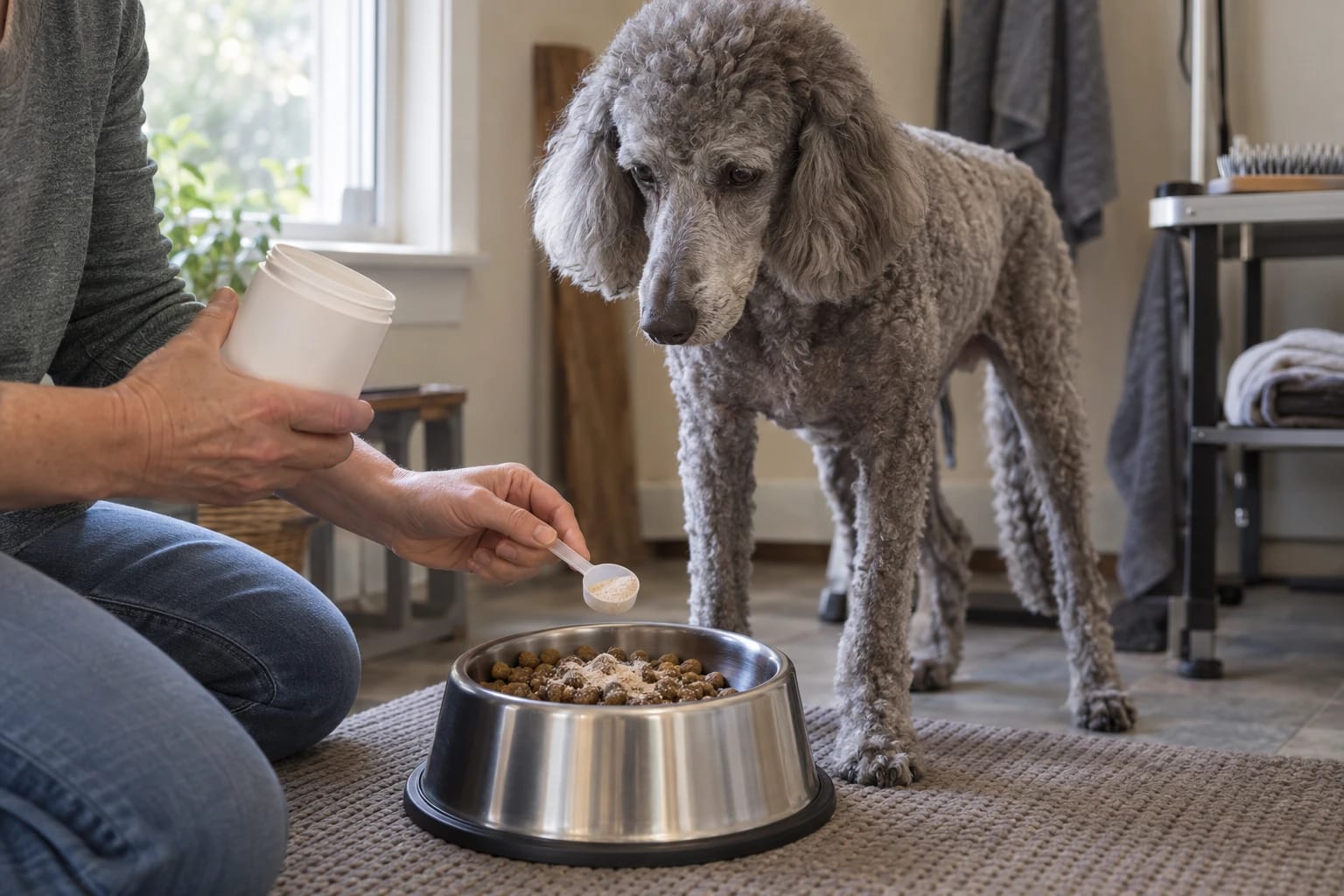
A powder works only when your dog actually eats it. Mix the serving into a small portion of wet food, a spoonful of plain yogurt, or a soft treat pocket, then confirm they finished it before adding the rest of their meal. Mixing dog supplement into wet food: stop the settling offers techniques to keep powder from clumping or sinking.
Start with half the recommended serving for three days and watch for loose stool, reduced appetite, or any change in behavior. If your dog tolerates the powder, increase to the full serving and use it daily. Skipping days reduces the benefit.
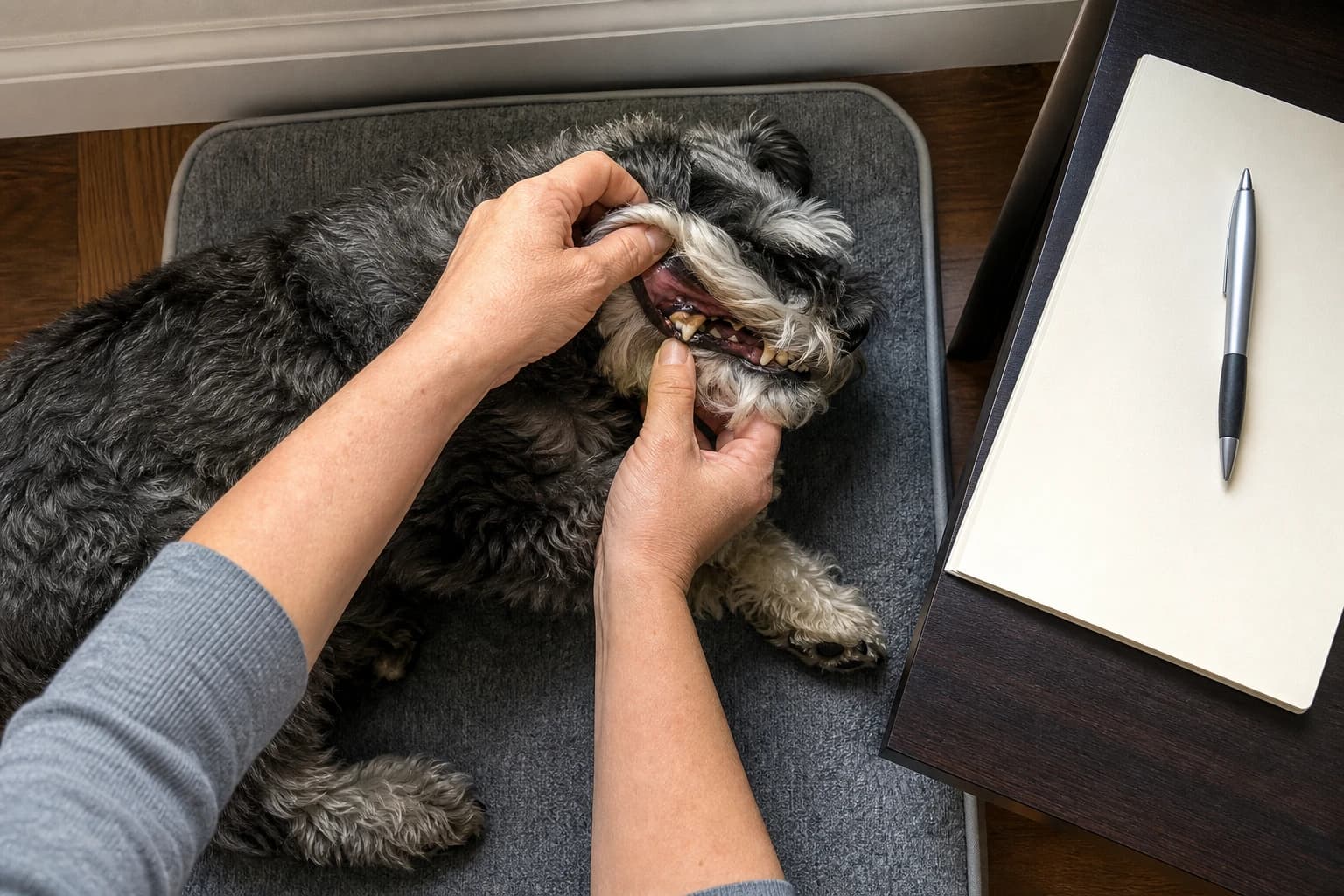
A powder is one part of an oral-care routine, not the entire routine. Continue offering appropriate chew items, check your dog's mouth weekly for redness, swelling, or bleeding gums, and schedule regular veterinary oral exams. Why does my senior dog breath smell bad? explains how to distinguish plaque odor from signs of infection or systemic disease.
When a powder is not enough
If your senior dog has loose teeth, visible tartar, inflamed gums, or persistent bad breath, a dental powder will not solve the problem. Professional cleaning under anesthesia is the standard of care for established periodontal disease. Dog teeth cleaning cost: what a powder can't replace breaks down what a veterinary dental procedure includes and why it matters.
After a cleaning, a daily powder may help slow plaque buildup and extend the time until the next procedure is needed. Use it as maintenance, not as a substitute for treatment.
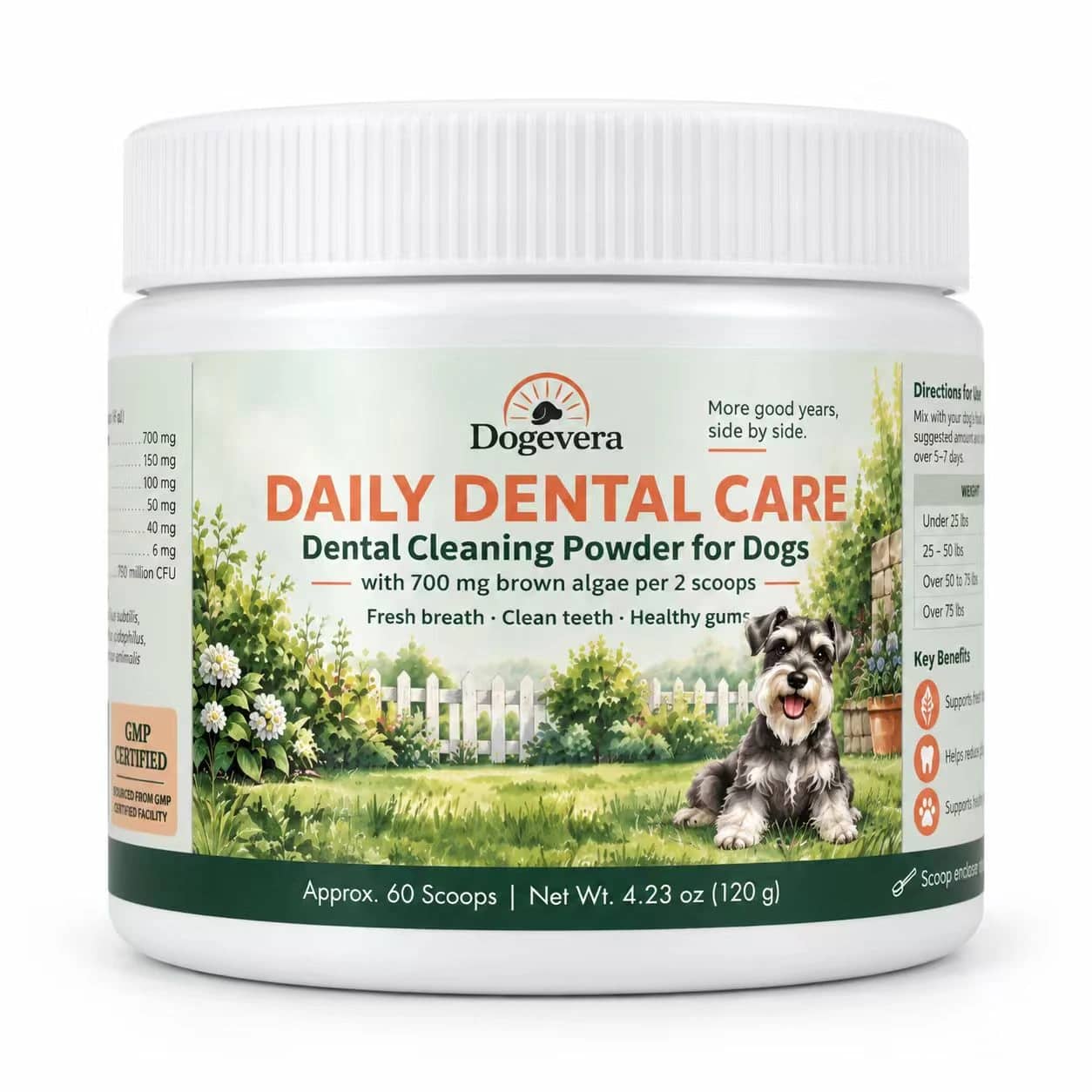
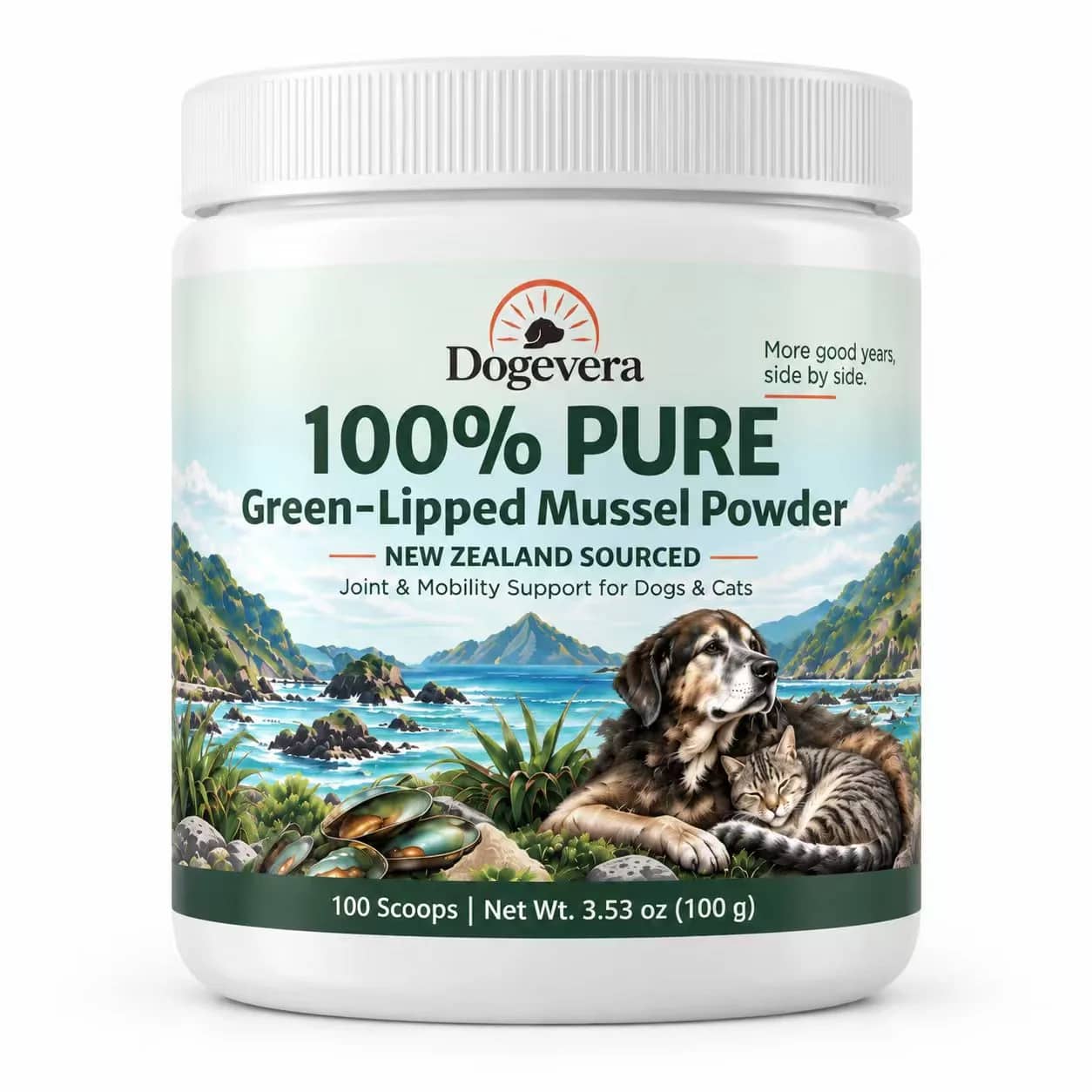
Daily Dental Cleaning Powder for Dogs contains Ascophyllum nodosum and is formulated for daily use in food.
FAQ
Can I use a dental powder instead of brushing my dog's teeth? No. Brushing mechanically removes plaque before it hardens. A powder may slow plaque formation, but it does not replace the physical action of brushing.
How long does it take to see results from a dental powder? Most studies show changes over four to eight weeks of daily use. Do not expect visible improvement in the first week, and do not expect a powder to remove existing tartar.
Are dental powders safe for dogs with kidney disease? Some formulations contain high sodium or other compounds that may not suit a dog with kidney disease. Check with your veterinarian before adding any supplement to a senior dog's routine, especially if they have a chronic condition.
What if my dog refuses to eat food with the powder on it? Dog refuses food with powder on it? Change the mix explains how to adjust mixing technique, portion size, and timing to improve acceptance.
References
- Evaluation of Benefits and Inherent Risks of Using Serum and Urine Biomarkers for Kidney Function and Tissue Damage to Monitor Dogs and Cats Undergoing Dental Prophylaxis Under General Anesthesia, Journal of Veterinary Dentistry, https://europepmc.org/article/MED/34324590
For individual health questions, your veterinarian remains the best partner.