You're standing in the pet aisle with three tubes of toothpaste in your hands, wondering which one your senior dog will actually let you brush with. The short answer: pick a toothpaste made specifically for dogs, with a clearly listed ingredient panel, a flavor your dog tolerates, and label directions you can follow daily. Human toothpaste does not belong in that comparison at all.
A quick, calm note: if your dog's breath changes suddenly or seems severe, a veterinary exam is the right first step before any product purchase.
Why Human Toothpaste Is Never the Answer
Human toothpaste is formulated for people who spit it out. Dogs swallow whatever you put in their mouth. Human toothpastes commonly contain fluoride and sweeteners like xylitol, and they are not designed to be swallowed. Dogs also tend to dislike strong mint flavors, which makes brushing harder for both of you.
A dog-specific toothpaste avoids this problem twice over: it's made with swallowable ingredients, and it's usually flavored (poultry and peanut butter are common) to make the experience pleasant rather than a wrestling match.
What to Compare Before Buying
Not every dog toothpaste earns its shelf space. Use this checklist the next time you're choosing:
- Full ingredient list on the label. Vague terms like "flavors" or "enzymes" without specifics make it impossible to check for anything your dog should avoid.
- Purpose statement. The label should say what the product is intended to do. A toothpaste marketed as "tartar control" should say how, and a breath product should not imply it treats dental disease.
- Directions you can actually follow. If the label expects daily brushing and your dog resists handling, choose one that works for the routine you can keep.
- Flavor your dog accepts. The best toothpaste is the one your dog will sit still for. Buy small at first if you're unsure.
- No medicated claims without guidance. If a product implies it treats an infection or disease, that's a conversation for your vet, not a purchase decision.
Set Realistic Expectations for Toothpaste
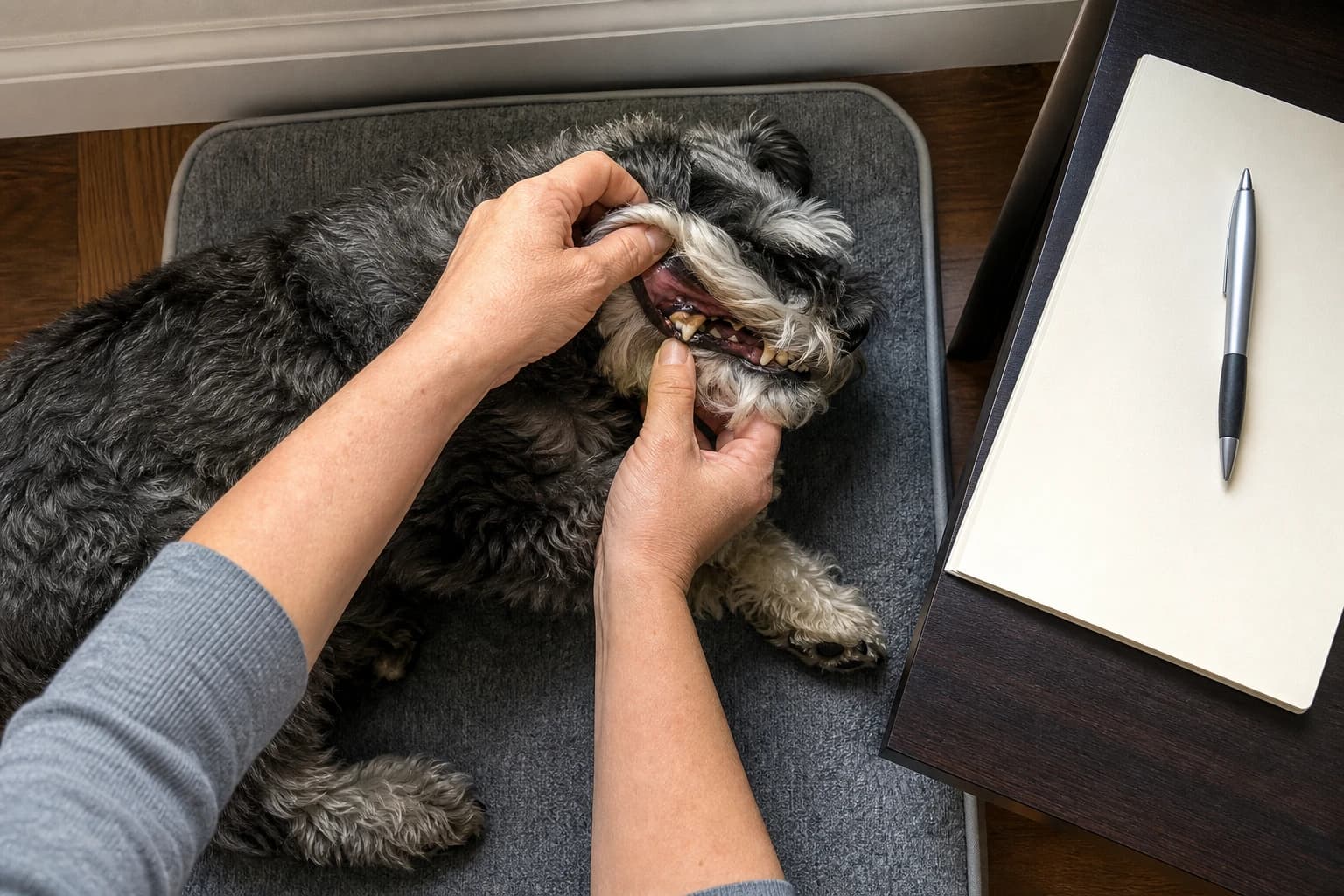
Toothpaste helps in two ways: the mechanical action of brushing removes soft debris, and a palatable paste makes the daily routine sustainable. Toothpaste alone does not remove established tartar, reverse gum disease, or cure a smell caused by something deeper in the mouth or elsewhere. If your dog has visible tartar, red gums, or drops food, brushing is still worth doing gently, but the smell itself deserves a proper look.
If you're still working out what's behind the odor, our guide on why a senior dog's breath smells bad walks through three common sources worth checking before you spend more on products.
Build a Routine That Survives Week Two
Most dog toothpaste goes unused because the routine collapses. Make it easier:
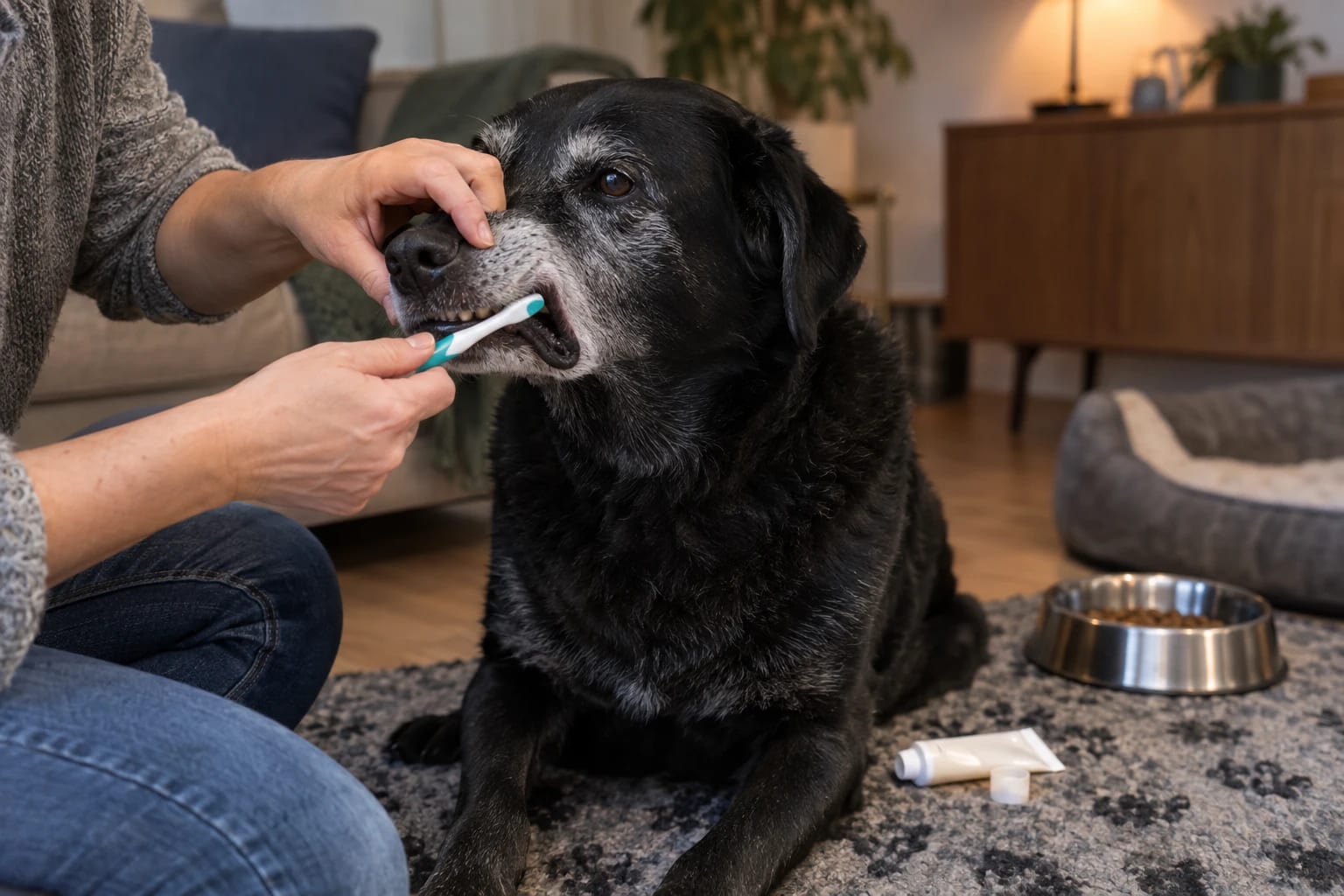
- Start without brushing. Let your dog lick a little paste from your finger for a few days so the flavor becomes a treat.
- Use a finger brush or soft brush, whichever your dog tolerates. Short sessions beat long ones.
- Pick a consistent moment, such as after the evening meal, so it becomes part of the day rather than a battle you schedule.
- Track acceptance for the first week. If your dog refuses the paste itself, the flavor is the problem, not your technique.
Where Toothpaste Fits Among Other Breath Products
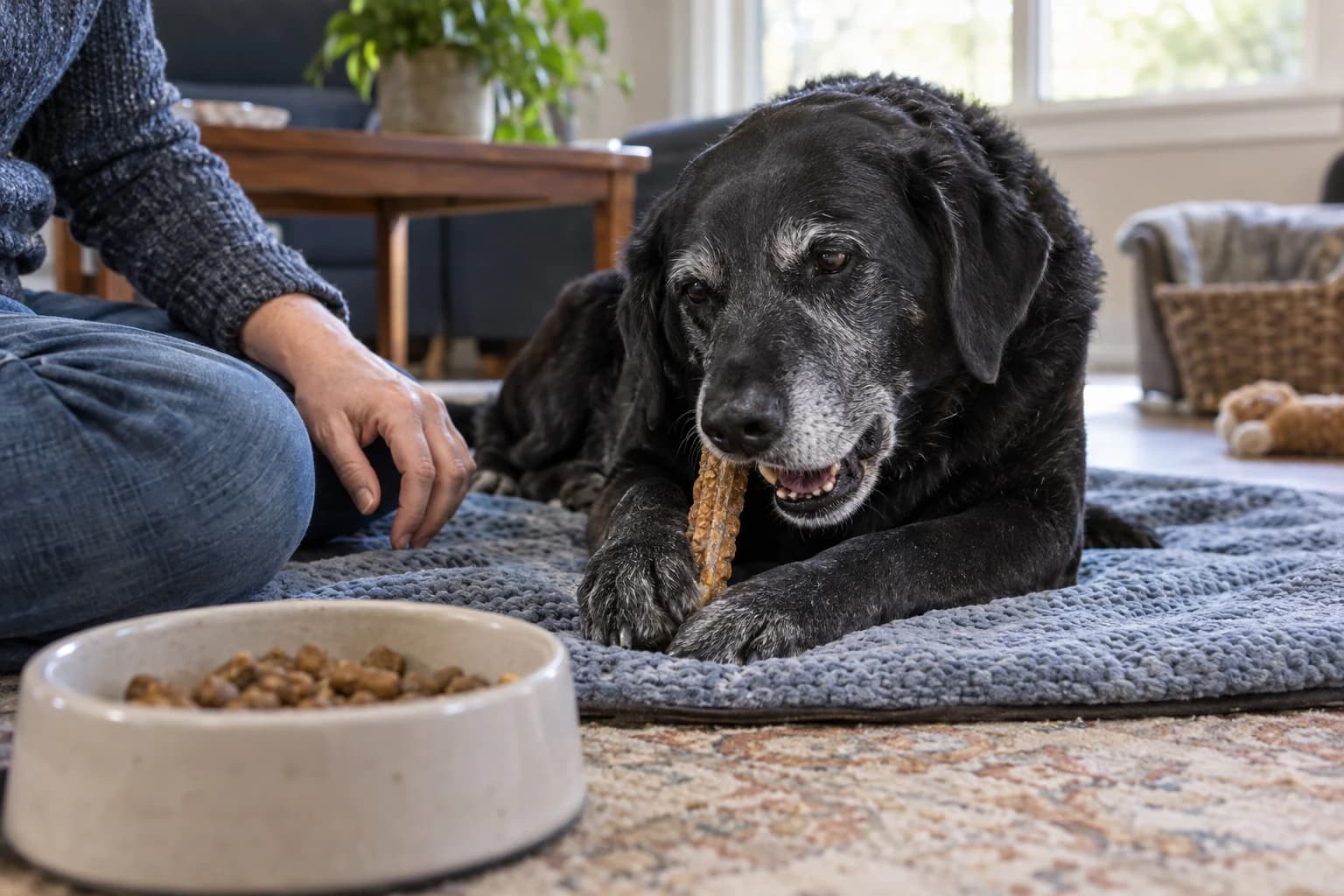
Toothpaste is the foundation, but it's not the only tool. Chews can add a mechanical cleaning effect between brushings, and our guide to choosing a dog chew when bad breath is a concern explains how to pick one safely for an older mouth. Dental powders and water additives work differently, and the trade-offs between them are worth understanding; our comparison of dental powder versus water additives covers label clarity and daily-use differences.
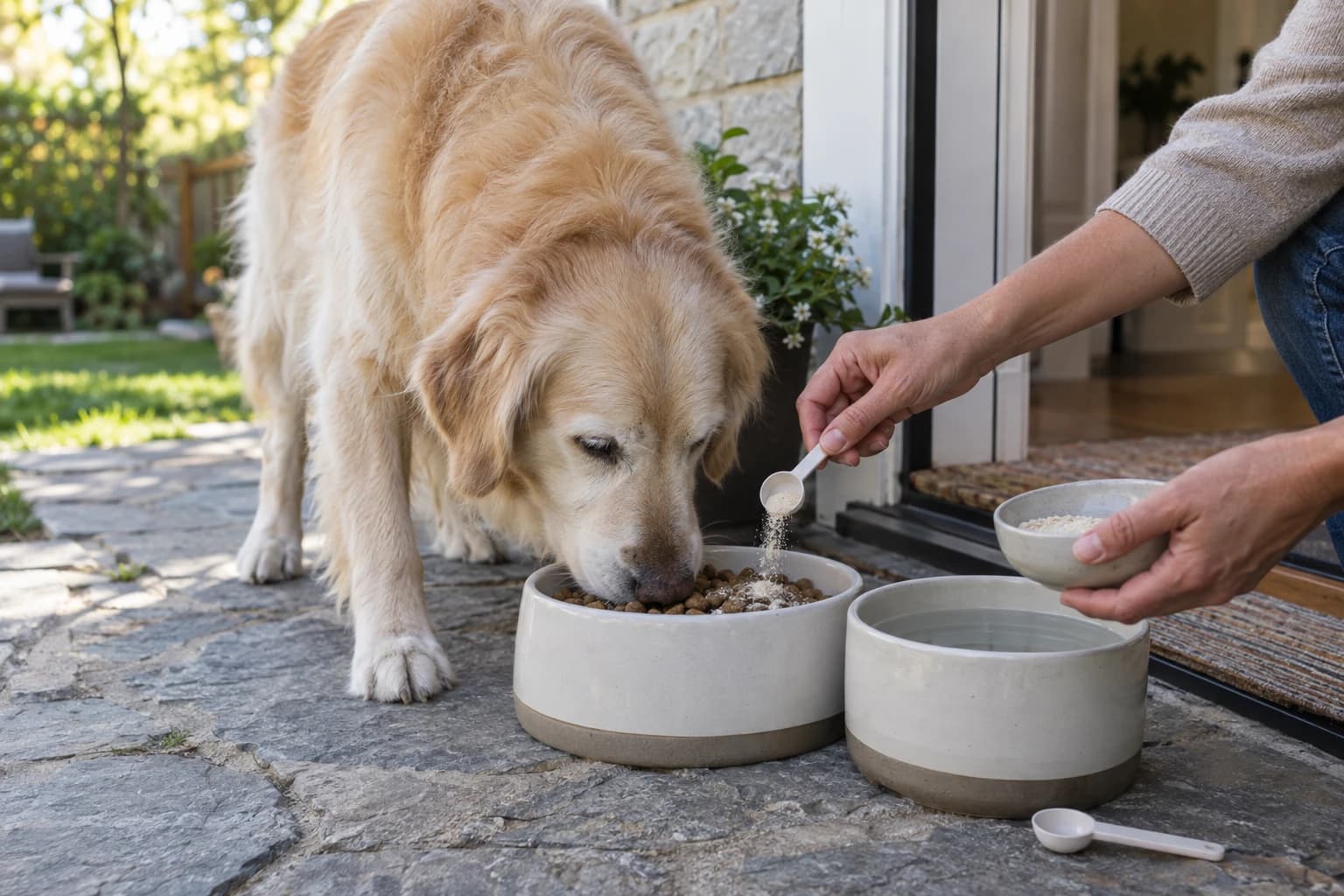
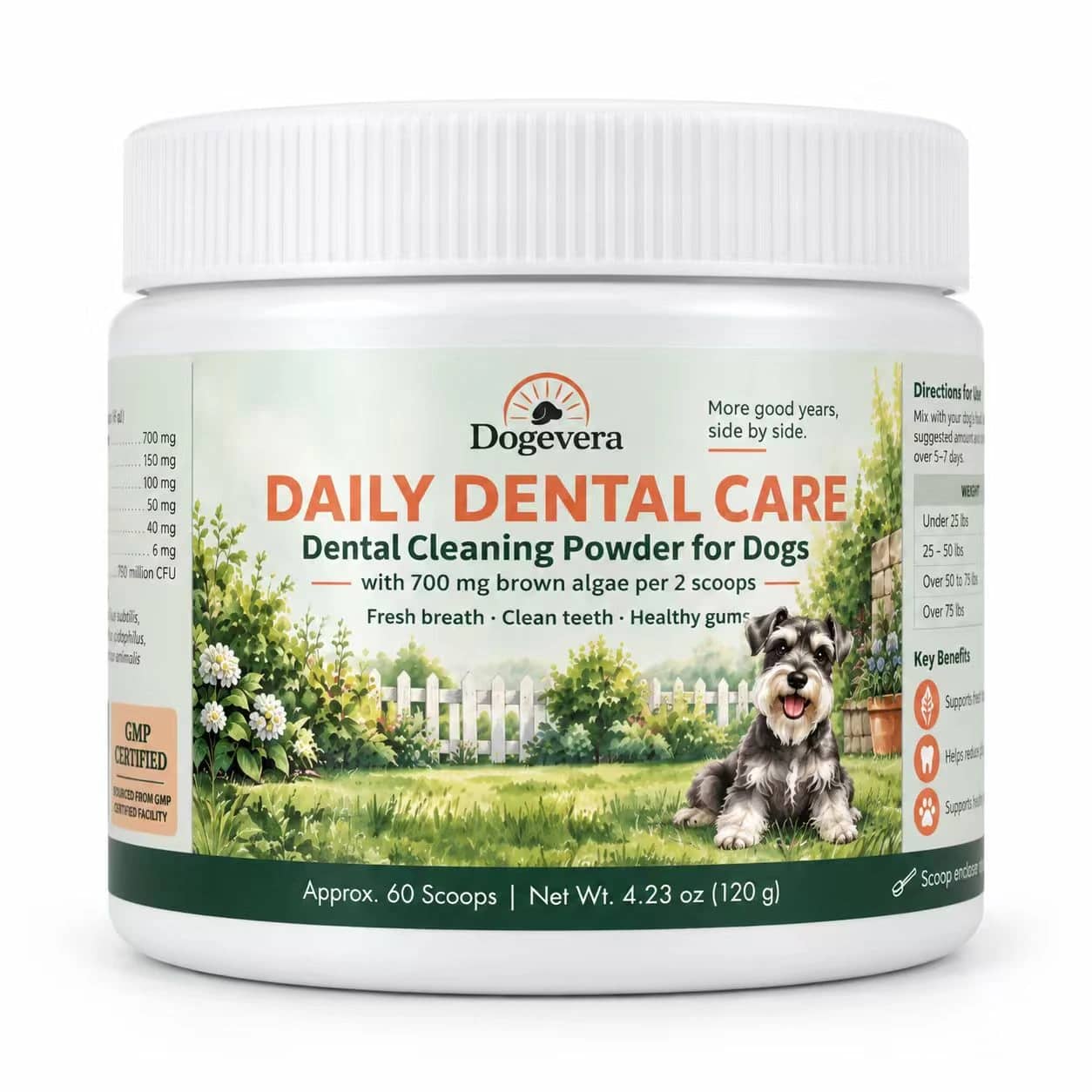
For readers building a multi-part routine, a powder that mixes into food can cover days when brushing doesn't happen. Our daily dental cleaning powder for dogs is designed for that kind of flexible routine, alongside rather than instead of brushing.
A Simple Buying Process You Can Repeat
1. Check the ingredient list for anything your dog has reacted to before. 2. Choose one flavor you think your dog will accept. 3. Read the label directions and confirm you can follow them daily. 4. Introduce the paste by taste before introducing a brush. 5. Reassess after two weeks: if your dog accepts the routine, keep it. If breath hasn't improved, the next step is a veterinary look at the mouth, not a different tube.
FAQ
Can I use baking soda or coconut oil instead of dog toothpaste? Home-mixed options lack the flavor design and tested formulations of commercial dog toothpaste, and some can be unpalatable or unbalanced. A labeled product gives you an ingredient list you can actually check.
How long until toothpaste helps bad breath? There's no honest single answer. Consistent brushing may freshen breath over days to weeks, but persistent odor usually means something a toothpaste can't reach. Pair the routine with a veterinary assessment if the smell continues.
What if my senior dog won't let me brush at all? Don't force it. Keep the mouth comfortable, explore gentle alternatives like chews or a food-mixed powder, and mention the handling difficulty at your next vet visit. Reluctance to accept mouth handling can itself be worth mentioning.
Related reading
For individual health questions, your veterinarian remains the best partner.