TL;DR
Dental health dog food can make chewing part of your senior dog’s everyday routine, especially when the food has a texture designed for more tooth contact. It cannot remove established tartar, settle mouth pain, or replace a veterinary oral exam and professional cleaning. Choose by your dog’s chewing comfort, eating pattern, nutritional needs, and response to the food.
A veterinarian should assess new mouth pain, chewing changes, or trouble eating rather than relying on food alone.
What can dental health dog food do?
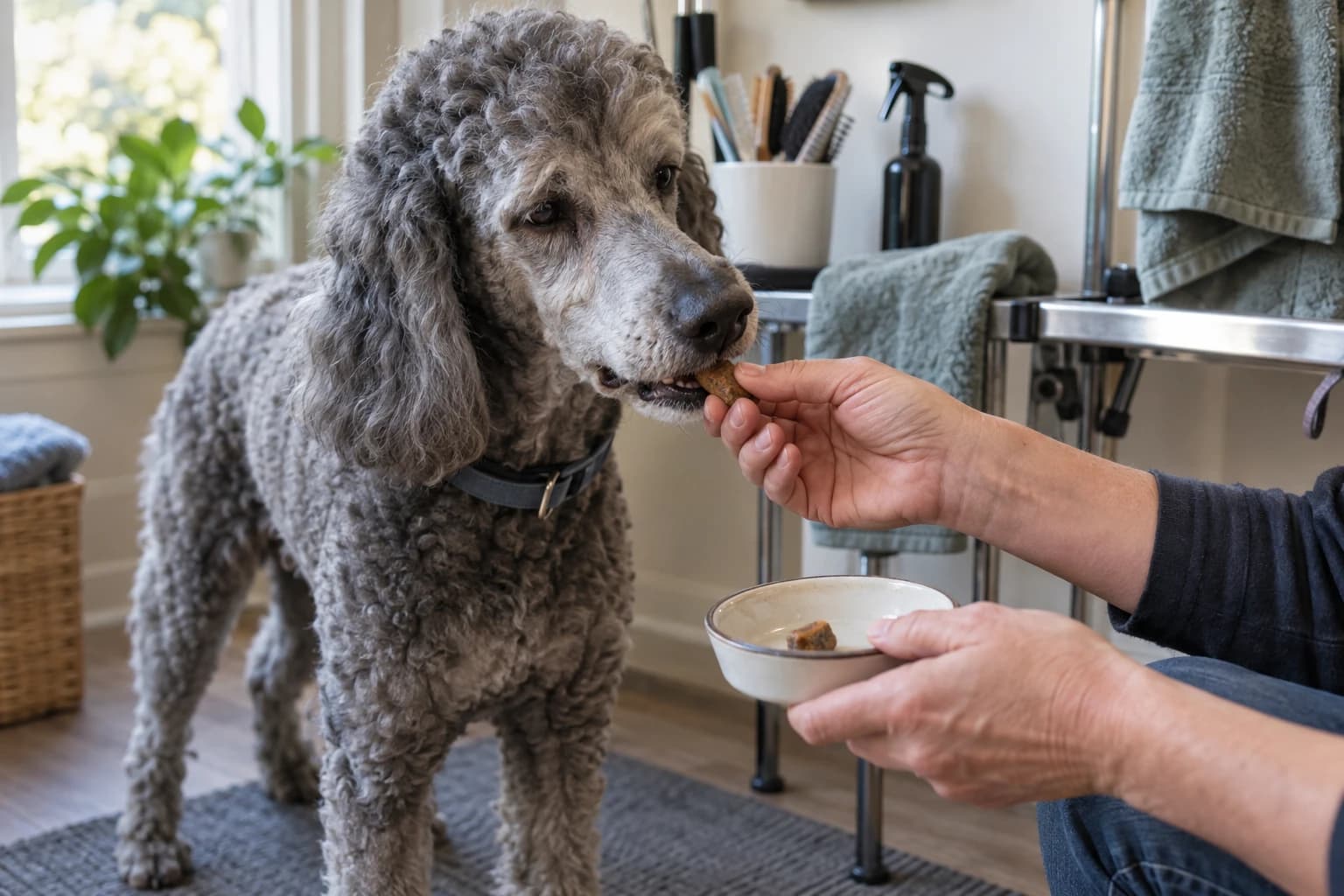
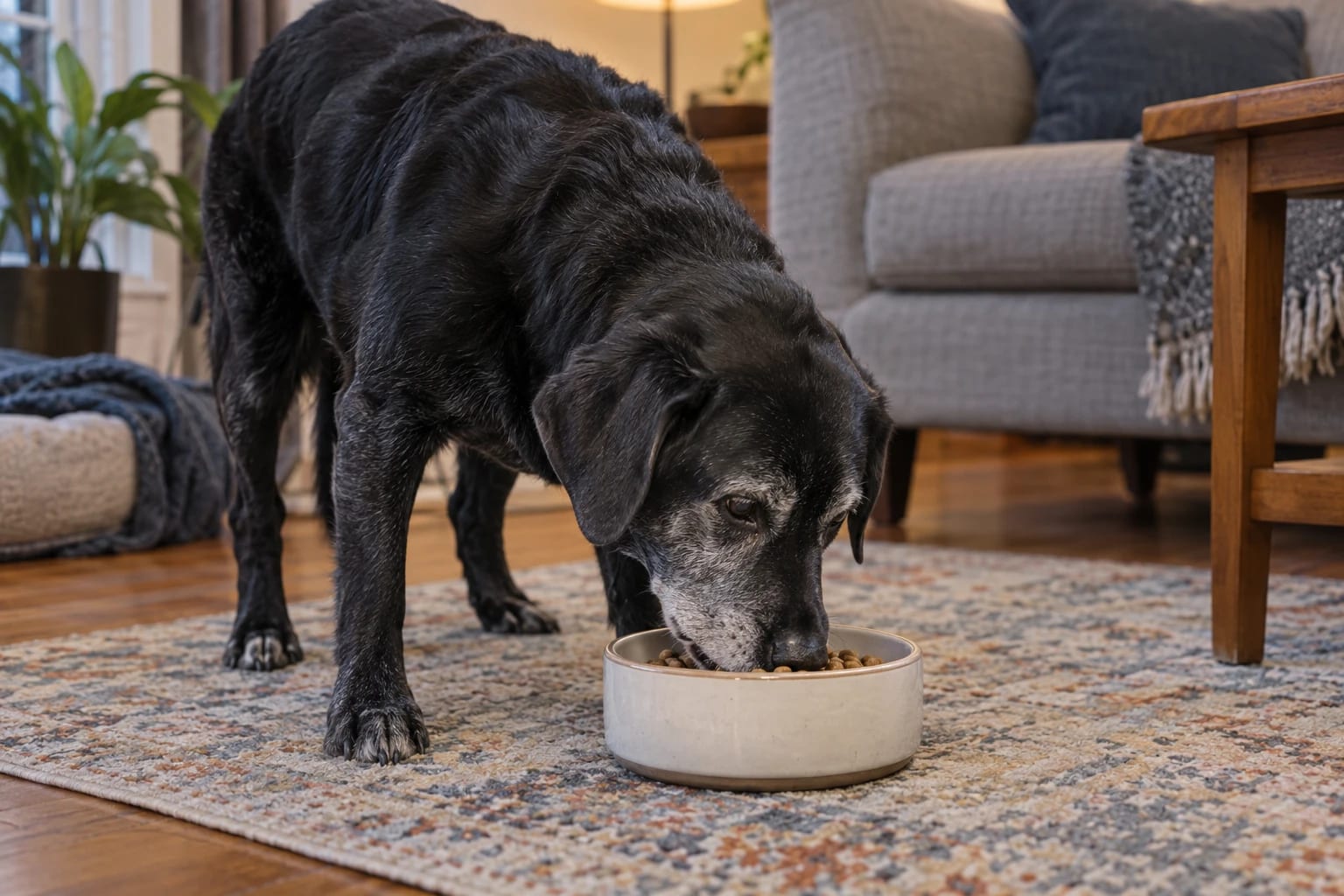
You may notice a dental-focused food described as having a particular kibble shape, size, or texture. The practical idea is simple: instead of swallowing every piece quickly, a suitable kibble may encourage more chewing and contact with the teeth. That can make oral care part of a meal routine without asking your dog to accept a separate brushing session.
The word “may” matters. A food’s texture does not work the same way for every dog. Some older dogs chew comfortably, while others have missing teeth, sensitive areas, reduced appetite, or a preference for softer food. A kibble that looks appropriate on the label is not automatically appropriate for your dog.
Dental-focused food also remains food. Check that the formula fits the feeding plan your dog already follows, including any dietary limits or changes your veterinarian has discussed. Do not choose a food only because the package emphasizes teeth.
Can dental kibble replace brushing or a cleaning?
No. Dental-focused kibble is a daily-care option, not a complete dental-care plan. It cannot be treated as a way to remove established tartar, investigate a painful mouth, or replace an oral examination.
It is also easy to overestimate what a dog is chewing. A dog may crunch some pieces, swallow others, or stop eating when a texture feels uncomfortable. Watch the bowl and your dog’s behavior rather than assuming the food is helping because they accepted the first serving.
If your dog already has visible buildup, persistent bad breath, a swollen-looking area, or a new change in eating, food choice should not be the only response. The cost of a dental visit can vary depending on what the appointment includes, so dog teeth cleaning cost may help you prepare practical questions about an estimate and what daily food can and cannot replace.
How should you choose food for an older dog?
Start with comfort, then consider the label. Use this short comparison before changing foods:
| What to check | A suitable sign | A reason to pause | |---|---|---| | Chewing | Your dog chews at a steady, comfortable pace | They drop pieces, chew on one side, or stop repeatedly | | Eating | They finish the meal in their usual manner | They leave the hard pieces or lose interest in food | | Texture | The pieces seem manageable for their current mouth comfort | The kibble appears too large, very hard, or difficult to handle | | Routine | The food fits their existing feeding plan | The change would disrupt a diet already chosen for a health reason | | Response | Appetite, stool, and mealtime behavior stay familiar | Several changes appear after the switch |
This is not a test of willpower. If a senior dog struggles with a harder texture, do not keep offering the same food to force adaptation. Pause the experiment and record what happened.
Read the complete label rather than focusing only on phrases such as “dental,” “oral care,” or “fresh breath.” Look at the main ingredients, feeding directions, texture description, and any statement about the food’s intended use. If your dog has a restricted diet, ask whether the new formula belongs in their routine before making the change.
What should you watch during the first meals?
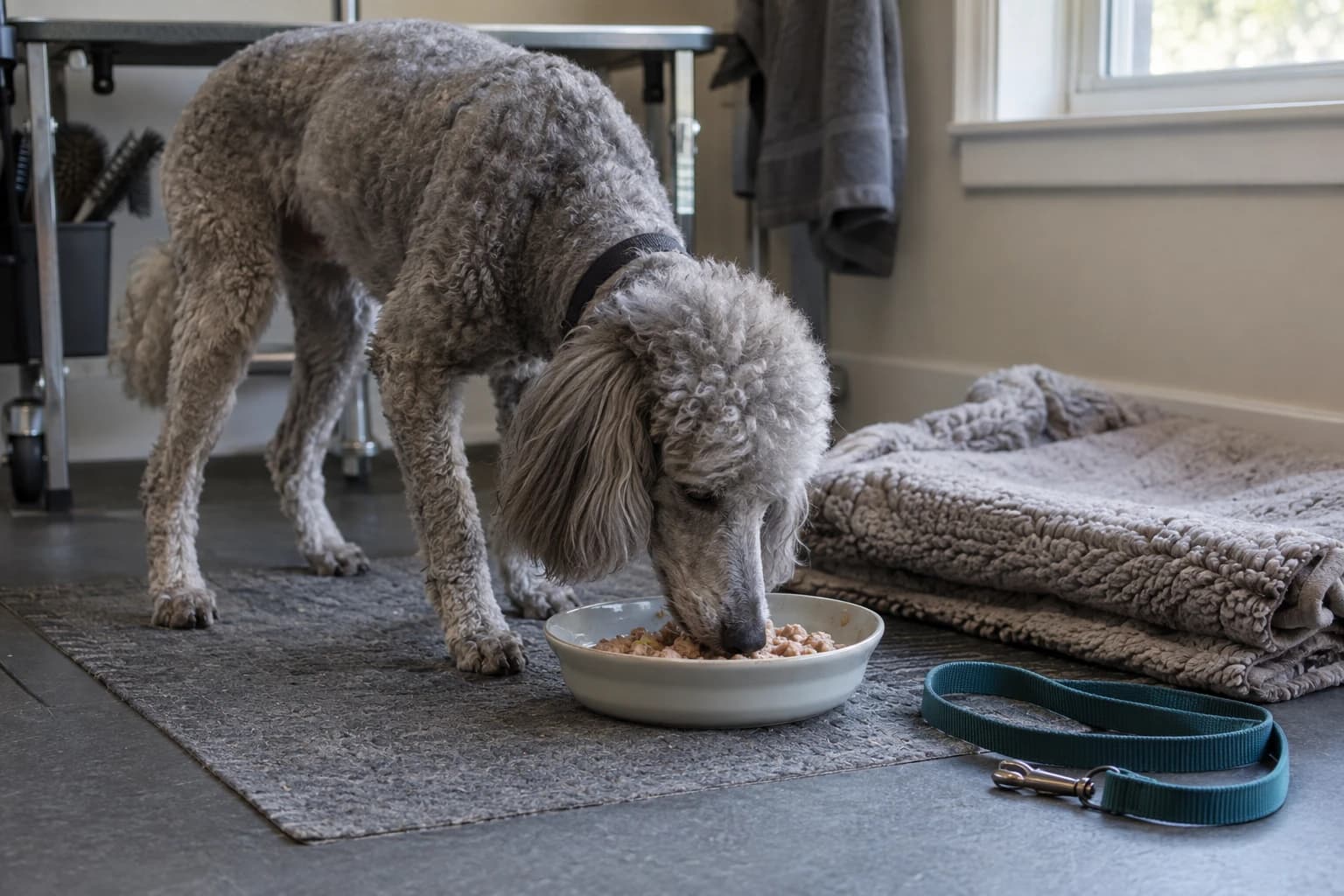
Use a small observation process instead of judging the food from one bowl. Before the change, note how your dog normally eats. Then record these details for three days after the new food is introduced:
1. Do they approach the bowl willingly? 2. Do they chew, swallow, drop, or avoid particular pieces? 3. Do they finish the portion in their usual pattern? 4. Does their breath, drooling, or mouth behavior seem different? 5. Are their stools and appetite otherwise familiar?
Keep the rest of the routine as consistent as you reasonably can. Changing food, treats, dental chews, and supplements at the same time makes the result harder to interpret.
A new habit of chewing on one side, dropping food, pawing at the mouth, or refusing hard pieces deserves more attention than a simple preference change. The guide on why a dog chews on one side of their mouth explains what to observe before deciding that a different texture is the answer.
What if your senior dog cannot manage hard kibble?
A dental-focused food is not the right choice when your dog cannot eat it comfortably. You can ask about another food texture or feeding approach instead of treating softer food as a failure. The useful goal is a complete, suitable daily meal that your dog can eat comfortably, not a particular kibble shape.
Treats and chews should be assessed with the same care. A product that is too hard, too large, or difficult for your dog to handle may not fit their current routine. If you use dental treats, compare texture and portion guidance with the rest of the diet. The senior-dog guide to dog treats and dental health offers a separate checklist for that choice.
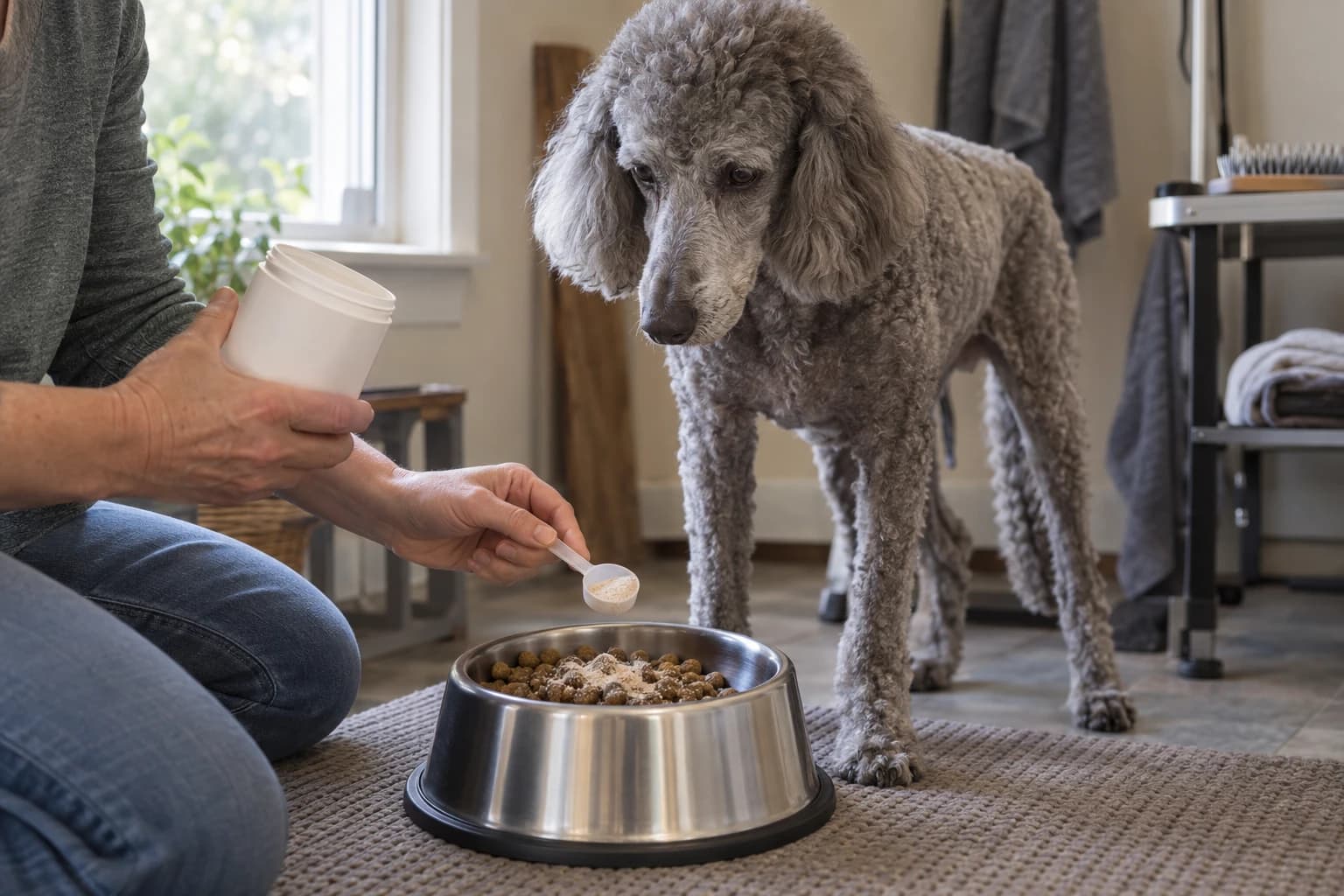
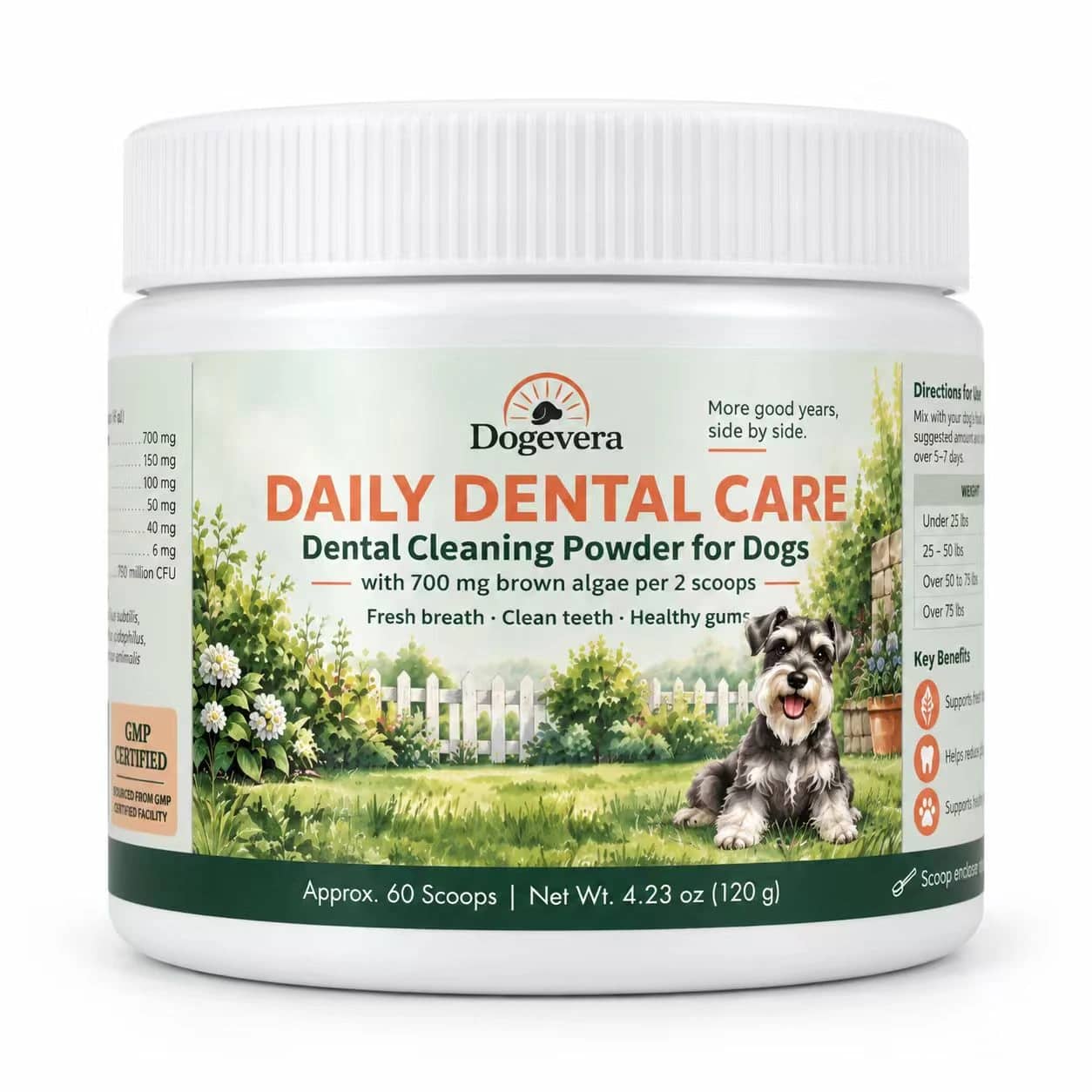
Some owners also compare food with a mix-in routine. If you are considering that route, read the full label for Daily Dental Cleaning Powder for Dogs and treat it as a separate daily-care decision. A powder does not make an uncomfortable food suitable, and neither option should stand in for an assessment of mouth pain or established dental problems.
Build a realistic senior-dog dental routine
A practical routine has three parts:
- Food: Choose a texture your dog can manage and a formula that fits their overall feeding plan.
- Observation: Watch chewing, appetite, dropped food, breath changes, and mouth-focused behavior.
- Professional care: Discuss persistent or new changes rather than trying several dental products in a row.
Keep the food bag or a clear label photo when you make a change. Write down the date, the previous food, the new food, and what you observed. This gives you a more useful record than relying on memory, especially when a senior dog’s eating habits change gradually.
If your dog eats comfortably and the food fits their needs, dental-focused kibble may be one reasonable part of everyday oral hygiene. Keep its role modest: it supports a routine; it does not diagnose, treat, or clean every dental problem.
FAQ: dental health dog food
Is dental dog food suitable for every older dog?
No. Suitability depends on chewing comfort, mouth condition, diet requirements, and whether your dog can eat the pieces comfortably. A label claim alone cannot answer that question.
Does dental kibble remove tartar?
Do not rely on dental kibble to remove established tartar. It may support daily oral care through its texture, but visible buildup or mouth discomfort calls for a separate conversation about professional care.
Should I switch if my dog refuses the food?
Do not force the change. Record whether your dog refuses all food or only the new texture, then return to a suitable routine while you decide what to discuss next.
What is the best texture for a senior dog?
There is no single texture that suits every senior dog. Choose the texture they can eat comfortably while keeping the food appropriate for their complete feeding plan.
For individual health questions, your veterinarian remains the best partner.