TL;DR
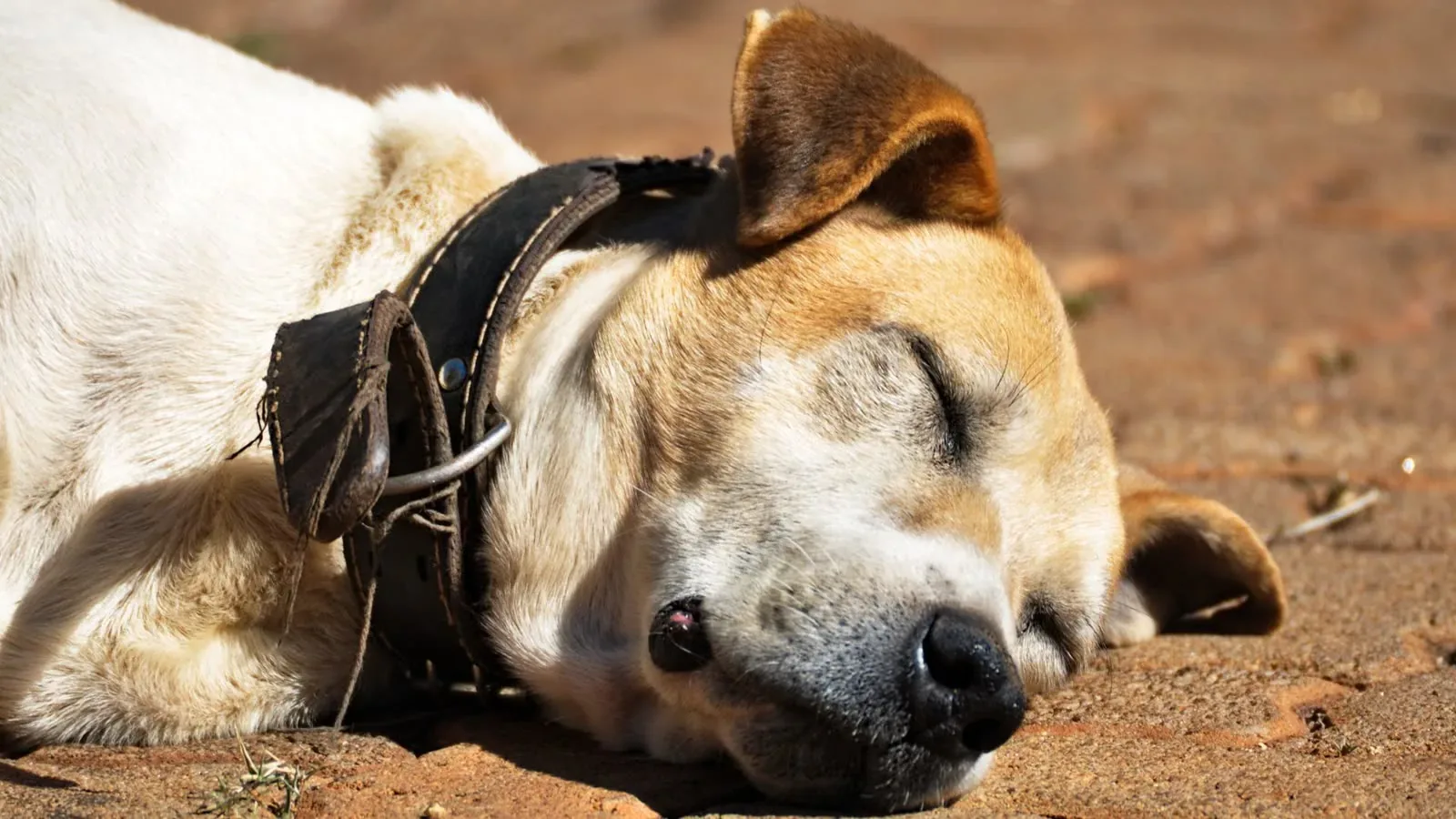
A normal sleeping breathing rate for an adult dog is under 30 breaths a minute, and most healthy dogs sit well below that. In a study of 114 healthy dogs whose owners counted at home, the average sleeping rate was 13 breaths a minute, no dog averaged more than 23, and the rate was not affected by age, size or where the dog lived. Resting while awake is a little higher (an average of 19 in that study). Counting the sleeping breathing rate is one of the most useful things the owner of an older dog can learn: in the EPIC heart study, breathing rate showed the biggest and fastest rise just before heart failure began, and in another study home breathing rate was the measure that best showed whether heart failure treatment was working. A sleeping rate that stays above 30, or a clear upward trend over several days, is a reason to call your vet that day.
Normal breathing rate for dogs
| Situation | What is typical | When to call the vet |
|---|---|---|
| Sound asleep | Average 13 breaths/min in healthy dogs; under 30 | Consistently over 30, or rising day after day |
| Awake and resting | A little higher than asleep (average 19 in one study) | Fast breathing at rest in a cool room |
| After exercise or in heat | Panting | Not settling within minutes, or with distress |
| At the vet clinic | Often higher from stress | Recheck at home before worrying |
In the 114-dog study, only 3 dogs ever had a single reading above 30, and none averaged above 23. So a dog that is regularly above 30 while sound asleep is unusual.
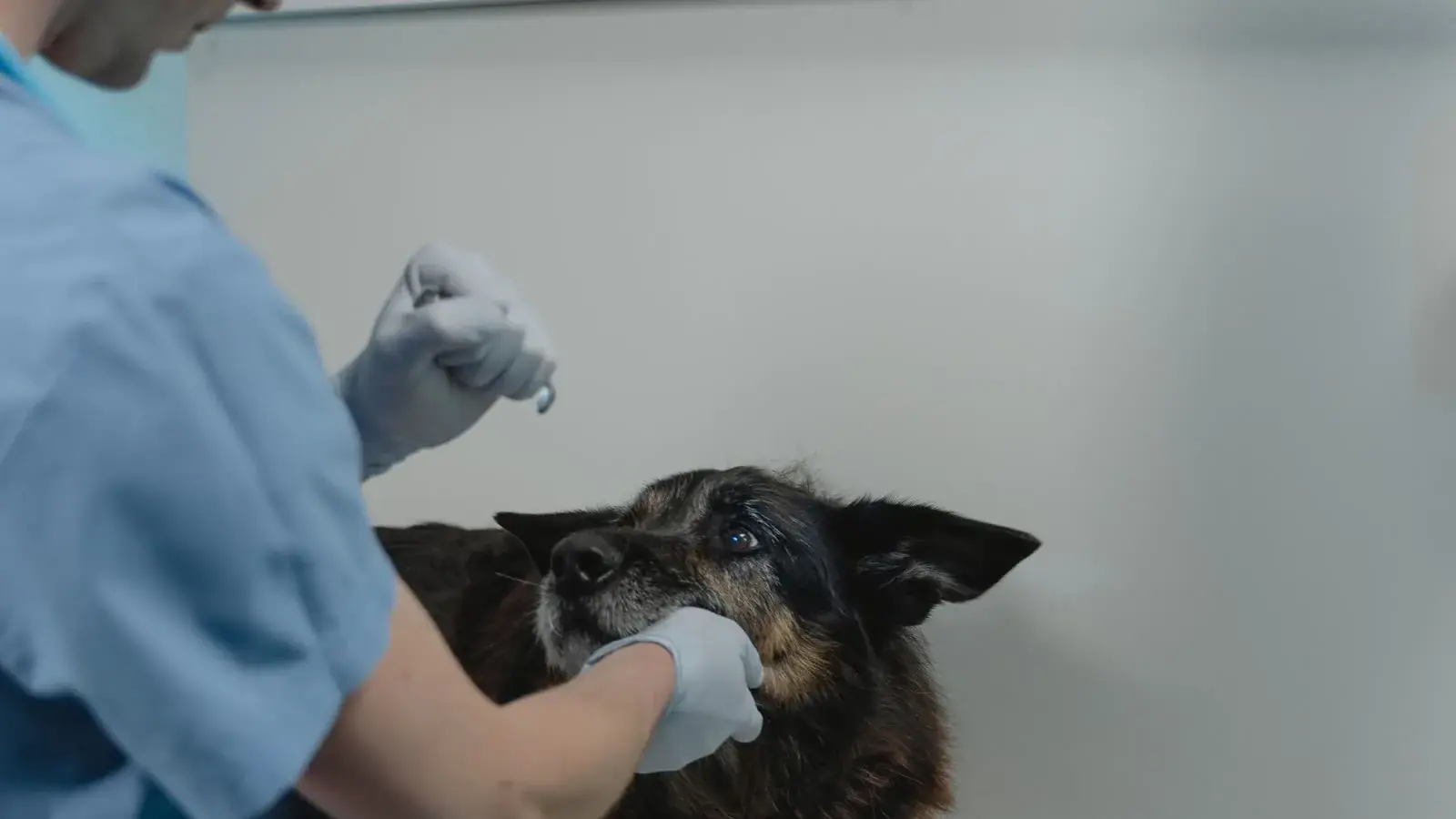
Breathing at the clinic is not a reliable baseline. In a study of 30 healthy dogs measured at home and then at the hospital, 63% were panting at the clinic against 17% at home, and pulse and blood pressure rose too. Your home count is the number your vet wants.
How to count your dog's sleeping breathing rate
- Wait until your dog is sound asleep, lying still, not dreaming or twitching. Avoid the first few minutes after it settles, and avoid hot rooms.
- Watch the chest or belly rise and fall. One rise plus one fall counts as one breath.
- Count for 30 seconds and multiply by 2, or count for a full minute.
- Do it at a similar time each day or a few times a week.
- Write it down in a notebook or phone note with the date.
Smartphone apps and smart collars can help, but a simple count is what most studies used, and most owners in the healthy-dog study found it easy.
Why this number matters for older dogs
An early warning for heart failure
Dogs with heart disease (especially mitral valve disease in small breeds, or dilated cardiomyopathy in large breeds) build up fluid in the lungs when the heart starts failing. That makes breathing faster before coughing or obvious distress appear.
In the EPIC study of dogs with enlarged hearts from valve disease, researchers followed 135 dogs that went on to develop heart failure and 73 that did not. As heart failure approached:
- Heart size on X-rays rose earliest.
- Heart rate rose and body weight fell.
- Resting breathing rate at home and in the clinic changed the most and fastest, right before heart failure began.
A guide to treatment
In a study of 63 dogs treated for heart failure, owners counted breathing rates at home between visits. As heart failure resolved, breathing rate fell, and breathing rate was the only measure that predicted, with high accuracy, whether heart failure was still present at the recheck. In another study of 51 dogs whose heart failure was controlled, the median sleeping rate was 20, and only one dog was at 30 or more.
See congestive heart failure in dogs and Cavalier King Charles Spaniel lifespan.
Why is my dog breathing fast while sleeping?
Not every fast reading is heart failure. Common reasons:
- Dreaming: quick, irregular breaths with twitching paws during REM sleep. Wait and recount.
- A warm room or a thick bed.
- Pain, which often shows as restlessness and panting.
- Heart failure: a steady, fast rate in deep sleep, sometimes with a soft cough.
- Lung or airway disease, including pneumonia and tumors.
- Anemia, which leaves the body short of oxygen. See pale gums in dogs.
- Cushing's disease and steroid medicines, which cause panting. See Cushing's disease in dogs.
- Fluid or a mass in the belly pressing on the chest.
When fast breathing is an emergency
Go to a vet now if your dog:
- Is breathing fast and working hard at rest, with the belly heaving.
- Has blue, grey or very pale gums.
- Will not lie down, sits with elbows out and neck stretched.
- Collapses or coughs up pink froth.
Call your vet the same day if the sleeping rate is over 30 on more than one count, or has crept up by several breaths a minute over a few days.
Who should count?
Counting is worth doing for every senior dog now and then, and regularly for:
- Dogs with a heart murmur or diagnosed heart disease.
- Cavalier King Charles Spaniels, Toy and Miniature Poodles, Chihuahuas and other small breeds prone to valve disease. See Poodle lifespan.
- Dobermanns and Boxers prone to dilated cardiomyopathy. See Doberman lifespan.
- Dogs on heart medicines, so you can spot a relapse early.
FAQ
What is a normal breathing rate for a dog while sleeping?
Under 30 breaths a minute. In a study of 114 healthy dogs, the average was 13 and no dog averaged more than 23.
How do I count my dog's breathing rate?
Wait until your dog is sound asleep, count each rise and fall of the chest as one breath for 30 seconds, and multiply by 2.
Is 40 breaths per minute normal for a sleeping dog?
No. A sleeping dog breathing 40 times a minute in a cool room, outside of dreaming, should be checked by a vet the same day.
Why is my senior dog breathing fast while resting?
Possible causes include heat, pain, heart failure, lung disease, anemia and Cushing's disease. A sleeping count above 30 that stays there needs a vet check.
Does breathing rate change with age in dogs?
Not in healthy dogs. In the 114-dog study, sleeping breathing rate was not affected by age or body weight, so a rising rate in an older dog is a change worth noticing.
References
- Rishniw M, et al. Sleeping respiratory rates in apparently healthy adult dogs. Research in Veterinary Science. 2012. PMID: 22240295
- Boswood A, et al. Temporal changes in clinical and radiographic variables in dogs with preclinical myxomatous mitral valve disease: the EPIC study. Journal of Veterinary Internal Medicine. 2020. PMID: 32200574
- Schober KE, et al. Effects of treatment on respiratory rate, serum natriuretic peptide concentration, and Doppler echocardiographic indices of left ventricular filling pressure in dogs with congestive heart failure secondary to degenerative mitral valve disease and dilated cardiomyopathy. Journal of the American Veterinary Medical Association. 2011. PMID: 21838584
- Porciello F, et al. Sleeping and resting respiratory rates in dogs and cats with medically-controlled left-sided congestive heart failure. The Veterinary Journal. 2016. PMID: 26639825
- Bragg RF, et al. Evaluation of the effects of hospital visit stress on physiologic variables in dogs. Journal of the American Veterinary Medical Association. 2015. PMID: 25554937
For individual health questions, your veterinarian remains the best partner.