TL;DR
Dog treats can support a senior dog’s daily dental routine when they are comfortable to chew, made with a label you understand, and offered as part of a wider plan. They do not replace an oral examination, professional cleaning, or attention to new chewing changes. Choose texture by watching how your dog eats, not by choosing the hardest option.
A brief veterinary disclaimer: a veterinarian should assess new mouth pain, chewing changes, or other signs of illness.
Can dog treats support dental health?
They may help make daily oral care more consistent because chewing gives your dog a regular mouth-focused activity. The useful question is not whether a treat can “fix” dental disease. It is whether your senior dog can eat it comfortably, whether the label fits their diet, and whether it can be offered without displacing balanced meals.
Dental care matters because dental disorders can affect a dog’s welfare over time. In a UK primary-care study, dental disorder had an annual period prevalence of 9.6%. The same study reported an annual duration score of 76% of the study year and a VetCompass Welfare Impact summative score of 2.47/3.00. These figures describe the occurrence, duration, and welfare impact of dental disorders in the studied dog population. They do not show that dental treats prevent disease or remove established tartar.
That distinction keeps treats in the right place: a possible everyday support, not a treatment plan.
What should you look for in a dental treat?
Start with a comfortable texture
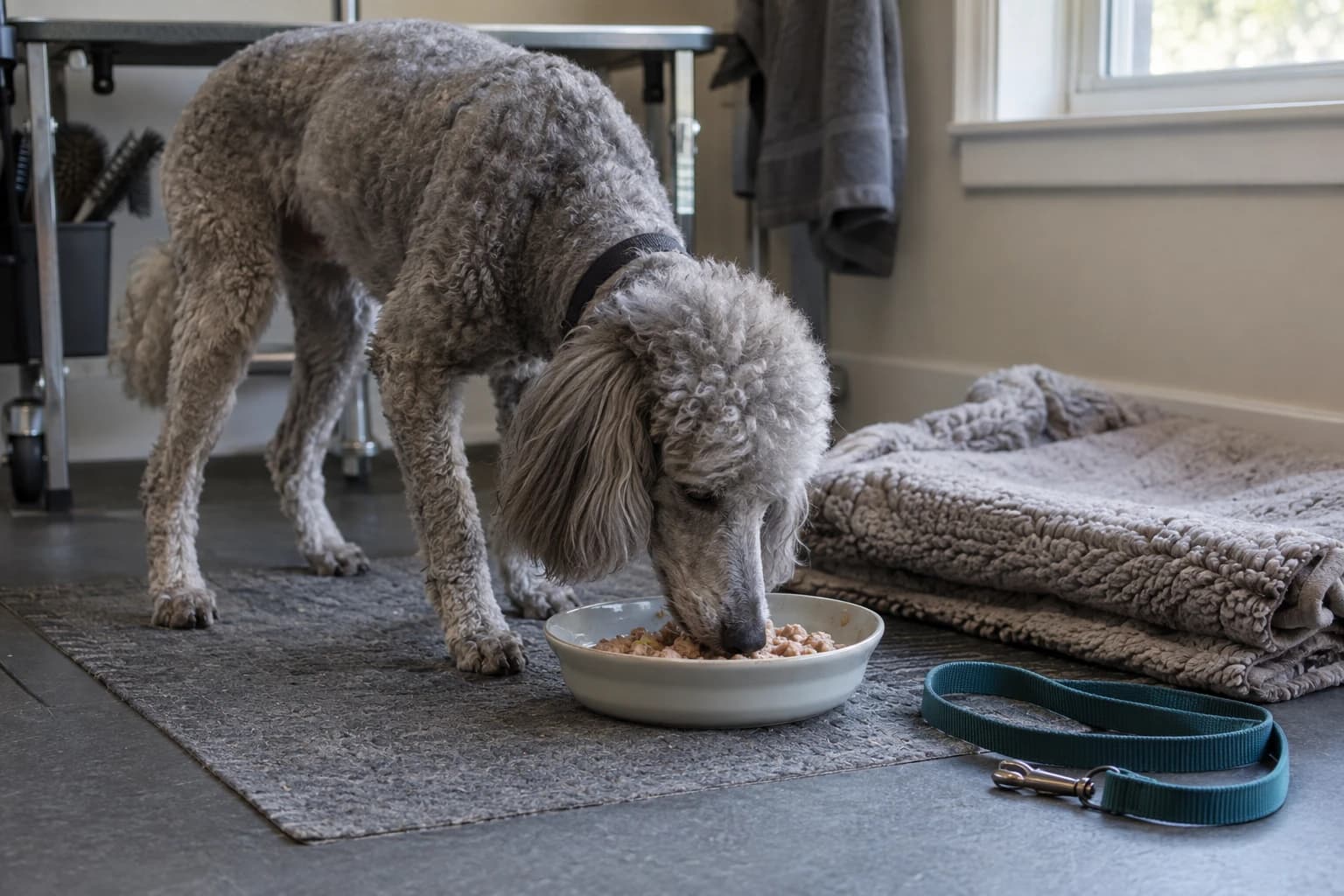
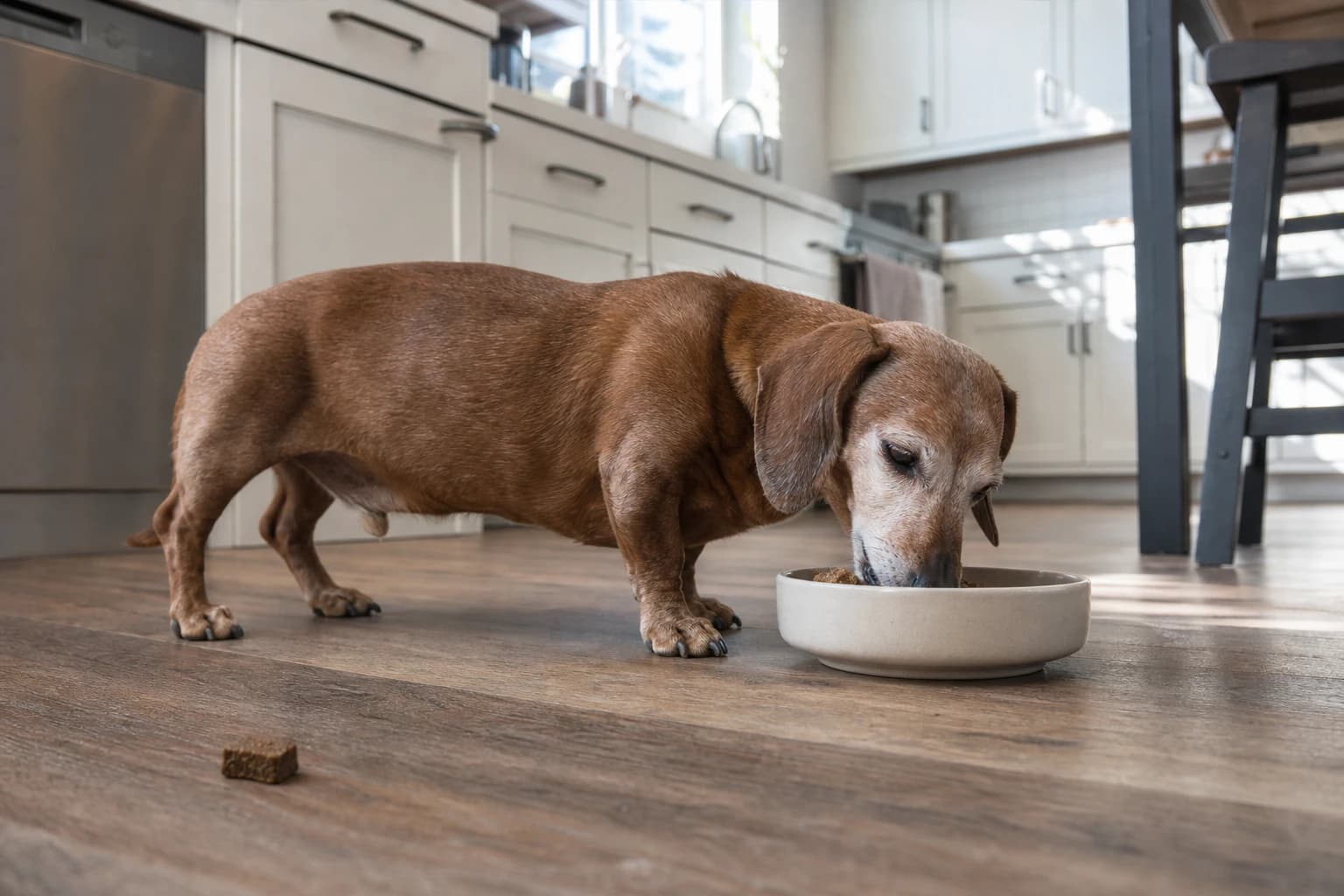
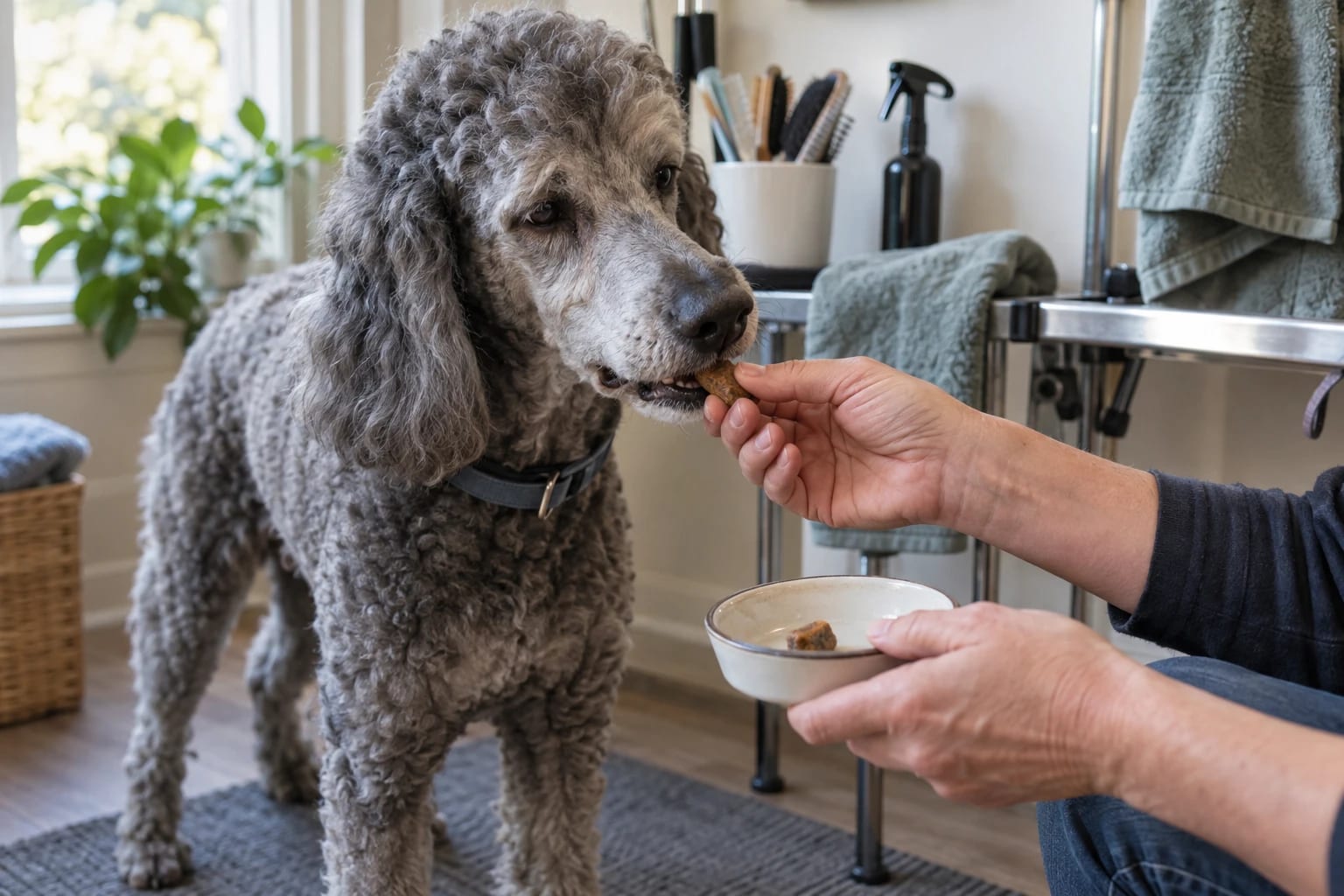
A senior dog may prefer a softer or more yielding treat, especially if they have stopped accepting hard snacks. Avoid treating reluctance as stubbornness. If your dog drops the treat, takes much longer to eat it, swallows it without chewing, or walks away, choose a different texture and record what happened.
The hardest option is not automatically the best option. A treat should be an appropriate size for your dog, easy for you to supervise, and suitable for the way they currently eat. Follow the package’s feeding instructions rather than improvising a serving amount.
If your dog suddenly refuses hard treats, compare that change with their regular food and softer treats. The pattern may give you more useful information than the refusal alone. The guide on why a dog suddenly stops eating hard treats offers a simple observation order.
Read the whole ingredient panel
Look beyond words such as “dental” or “oral.” Check the named ingredients, flavorings, calorie information, and any feeding or storage directions. A short, familiar ingredient list may be easier to fit into your dog’s existing routine, particularly when they already eat a prescribed or carefully managed diet.
Do not assume a dental claim tells you how a product works or how suitable it is for your dog. The label is the practical starting point. If your dog has known food sensitivities, compare every ingredient with foods they already tolerate and ask your veterinarian about ingredients you do not recognize.
Consider how the treat fits the day
A dental treat is still part of the day’s food routine. Keep the portion predictable, offer it when you can watch your dog, and avoid introducing several new products at once. A one-change approach makes it easier to notice whether your dog accepts the texture, develops a new dislike, or has a change in eating behavior.
How can you tell whether the texture suits your senior dog?
Use the same treat in the same calm setting and watch three details: how your dog picks it up, how they chew it, and what they do afterward. Comfortable eating usually looks familiar for that individual dog. A sudden change from their normal pattern deserves attention, especially if it also appears with regular food.
Stop offering that treat if your dog repeatedly drops it, chews only on one side, paws at their mouth, or avoids eating it. Do not keep testing a painful-looking behavior with more treats. Chewing on one side of the mouth is a reason to arrange a veterinary check rather than a reason to search for a tougher snack.
You can keep a short home note with:
- Treat type and texture
- Whether your dog picked it up and chewed normally
- Any dropping, hesitation, or mouth rubbing
- Whether regular food and water intake seemed unchanged
- Any new breath odor or visible mouth change
These notes are more useful than a general impression such as “dental treats seem to help.”
Where do dental treats fit beside professional care?
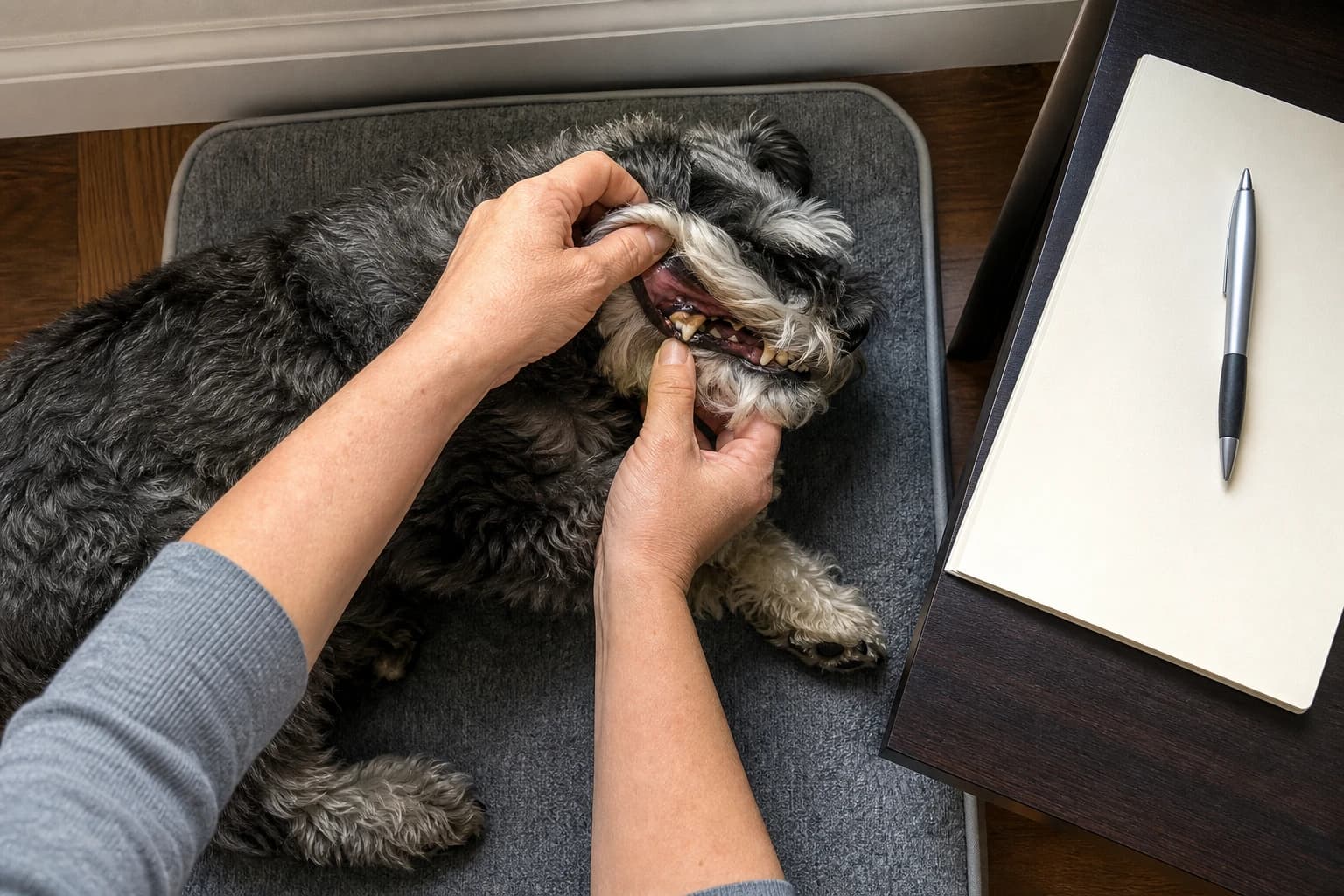
Treats and home routines cannot show what is happening below the visible gumline, and they cannot stand in for an oral examination or professional cleaning. A dog may continue eating while a mouth problem is developing, so comfortable treat acceptance is not proof that the mouth is healthy.
Professional care can also involve more than the cleaning itself. The visit may include an examination, discussion of findings, and a plan for follow-up. Dog teeth cleaning cost can vary according to what the visit includes, so ask for an itemized estimate rather than comparing headline prices alone.
At home, use treats as one repeatable part of the routine. You might offer a suitable snack after a calm meal or at another consistent time, while also watching appetite, chewing style, breath, and willingness to have the face handled. If a veterinarian has already recommended brushing or another dental routine, treats should complement that plan rather than replace it.
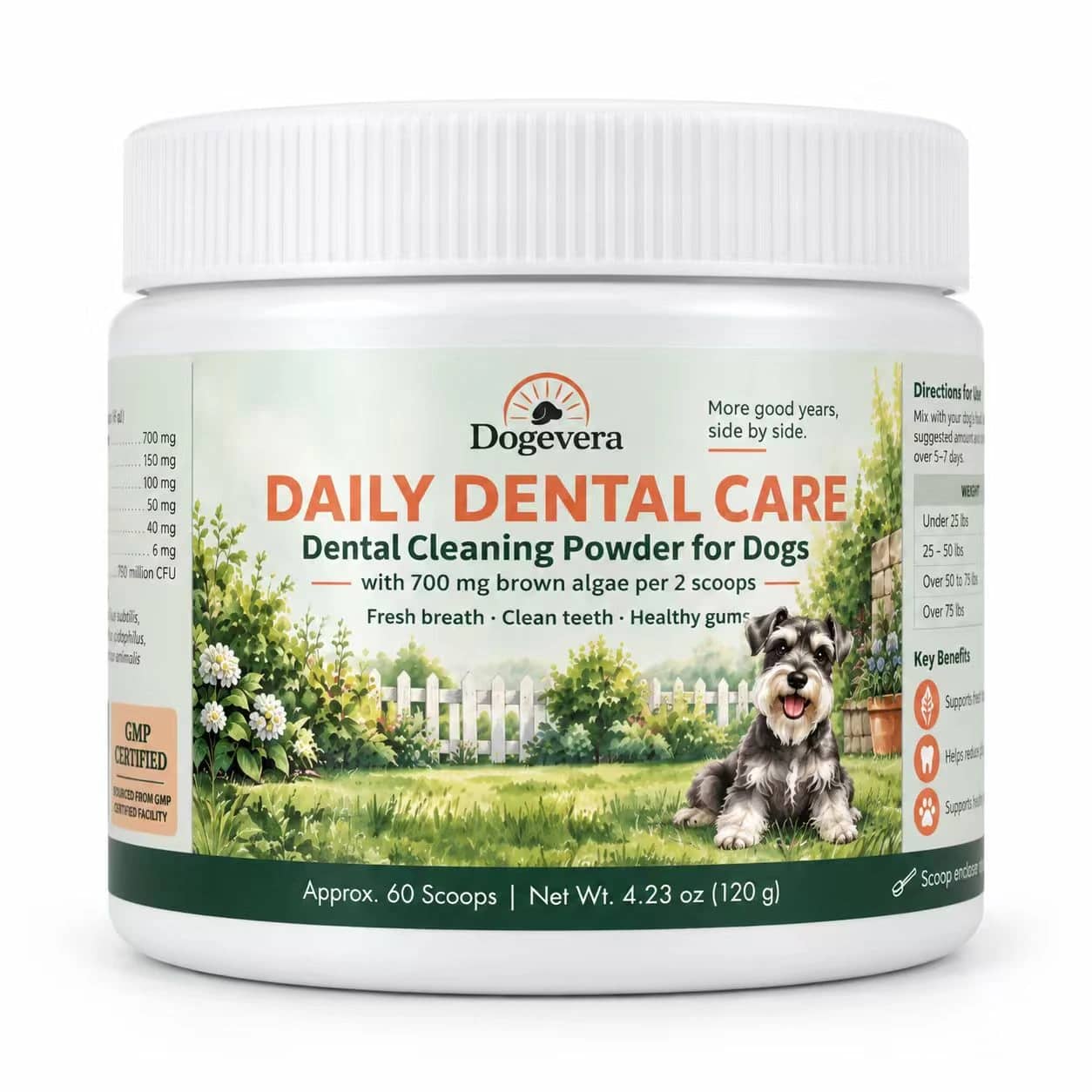
For owners considering a mix-in approach instead of a chew, Daily Dental Cleaning Powder for Dogs is a separate format to evaluate by its label and your dog’s acceptance. It should not be treated as a way to remove established tartar or as a substitute for professional care.
FAQ
Are dental treats enough for an older dog?
No. They may be one small part of daily care, but they do not establish that a dog’s mouth is healthy or replace a veterinary examination and professional care when needed.
Should senior dogs get hard dental treats?
Not automatically. Choose a texture your dog can handle comfortably and supervise the first few offerings. A sudden refusal, prolonged chewing, dropping, or one-sided chewing is a reason to pause and observe rather than increase hardness.
What if my dog has bad breath but still eats treats?
Treat acceptance does not rule out a mouth problem. Note when the odor began, whether it is changing, and whether appetite, chewing, or face handling has also changed. Why a senior dog’s breath may smell bad explains what owners can observe before a veterinary conversation.
Can I give a dental treat every day?
Follow the product label and fit the treat into your dog’s overall food routine. Keep the choice consistent enough that you can notice changes in acceptance or chewing, and avoid making several diet changes at the same time.
References
- O'Neill, D. G., et al. “Period prevalence and disease severity of dental disorders in dogs in the UK primary-care veterinary clinics in 2016.” Veterinary Record. https://europepmc.org/article/MED/31118035
For individual health questions, your veterinarian remains the best partner.