TL;DR
Yes, dog supplements are regulated in the United States, but they do not have the same special "dietary supplement" category that applies to products for people. A product marketed for dogs may be regulated as animal food or, based on its intended use and claims, as a new animal drug. A polished label or a testing badge is useful information, but neither automatically means FDA drug approval. (fda.gov)
A familiar shopping moment
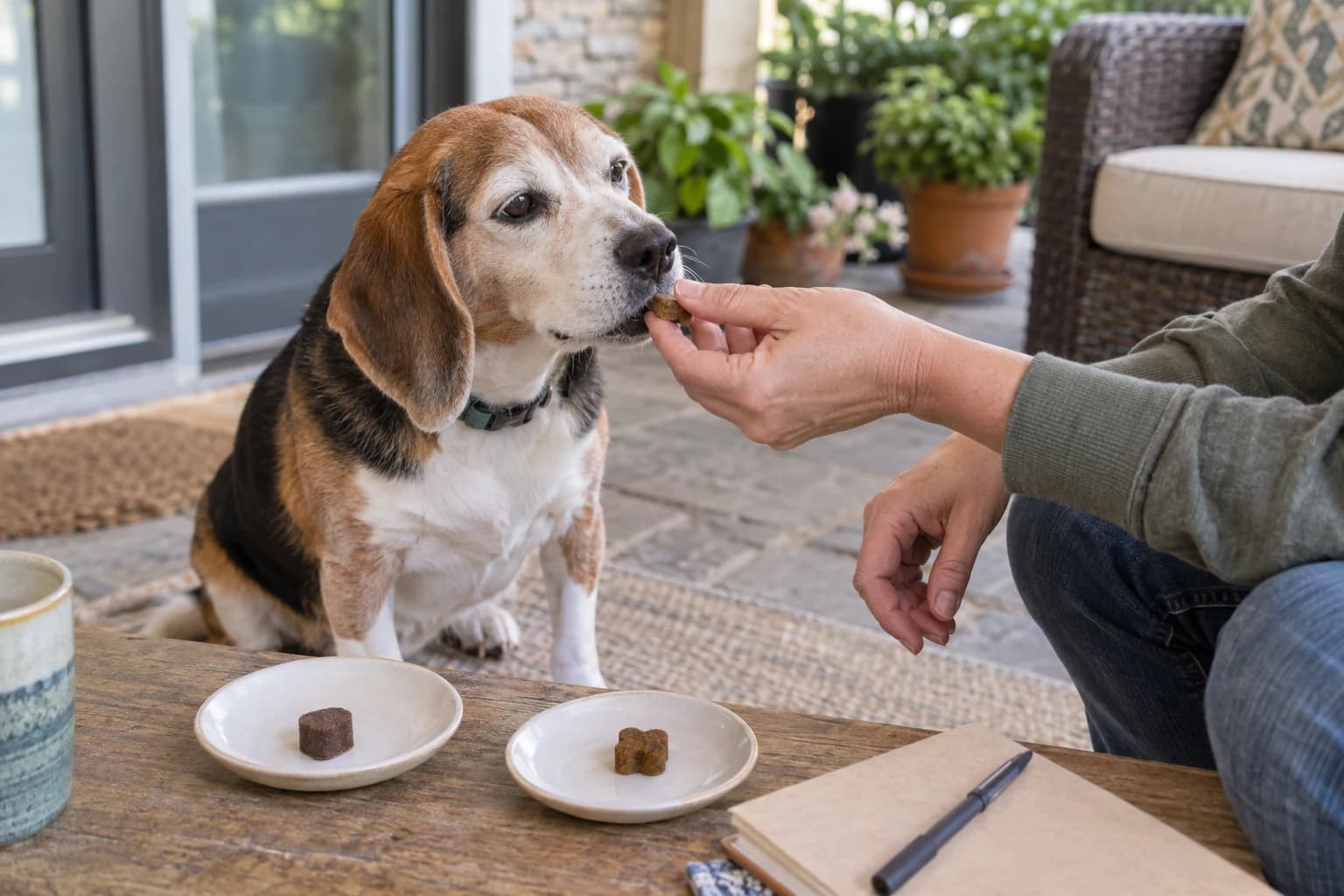
You are comparing two chews or powders for an older dog. One package says it is made in a certified facility. Another shows a lab report. A third uses language that sounds like it will fix a condition. The practical question is not simply, “Are dog supplements regulated?” It is: what does each statement actually prove?
For a routine product choice, separate the seller’s information into four buckets: the product label, a manufacturing claim, an independent quality document, and any statement about drug approval. That keeps one reassuring phrase from doing more work than it should.
Are dog supplements FDA approved?
Not usually in the way shoppers may mean. FDA says there is no separate federal “dietary supplement” regulatory classification for animal products. Products commonly called dog supplements are generally treated as animal food or as new animal drugs, depending on their ingredients and intended use. (fda.gov)
A useful distinction:
- Animal-food product: A product sold as food, a treat, or a nutritional addition is not the same thing as an FDA-approved drug. FDA oversight still applies to areas such as safety, manufacturing conditions, and truthful labeling, but do not read an ordinary supplement label as proof of FDA premarket approval for the finished product. (fda.gov)
- New animal drug: Disease-treatment, prevention, cure, or mitigation claims can signal that a product is being offered as a new animal drug. FDA states that such claims need approval through the new animal drug process to appear on the label. (fda.gov)
- Marketing language: A phrase can appear on a website, social post, brochure, or package. FDA describes labeling broadly, so evaluate the full set of seller claims, not only the front panel. (fda.gov)
If a seller says “FDA approved,” ask exactly what is approved: the finished product, a drug ingredient, a facility, or something else. A clear answer matters more than a badge-shaped graphic.
What should a dog supplement label show?
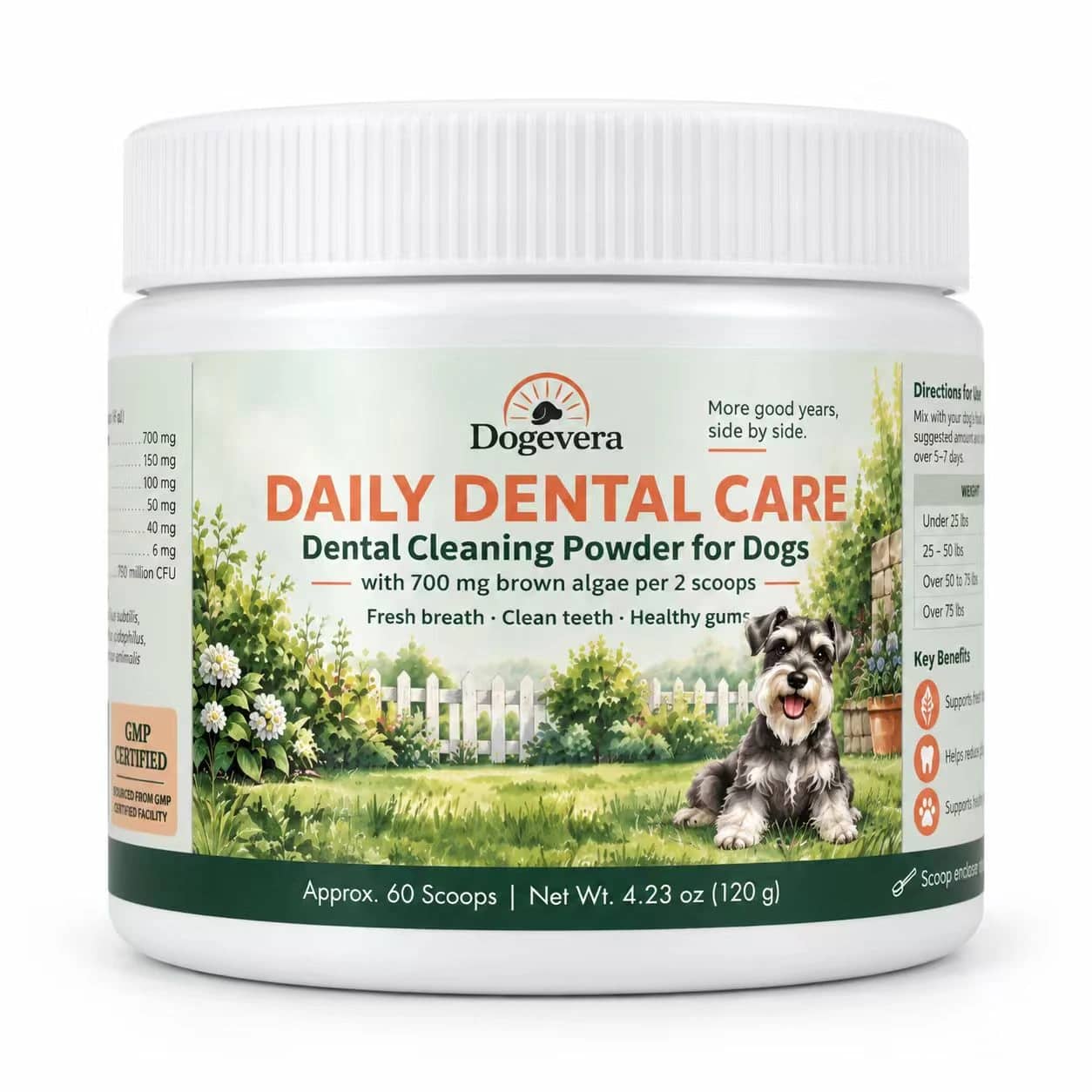
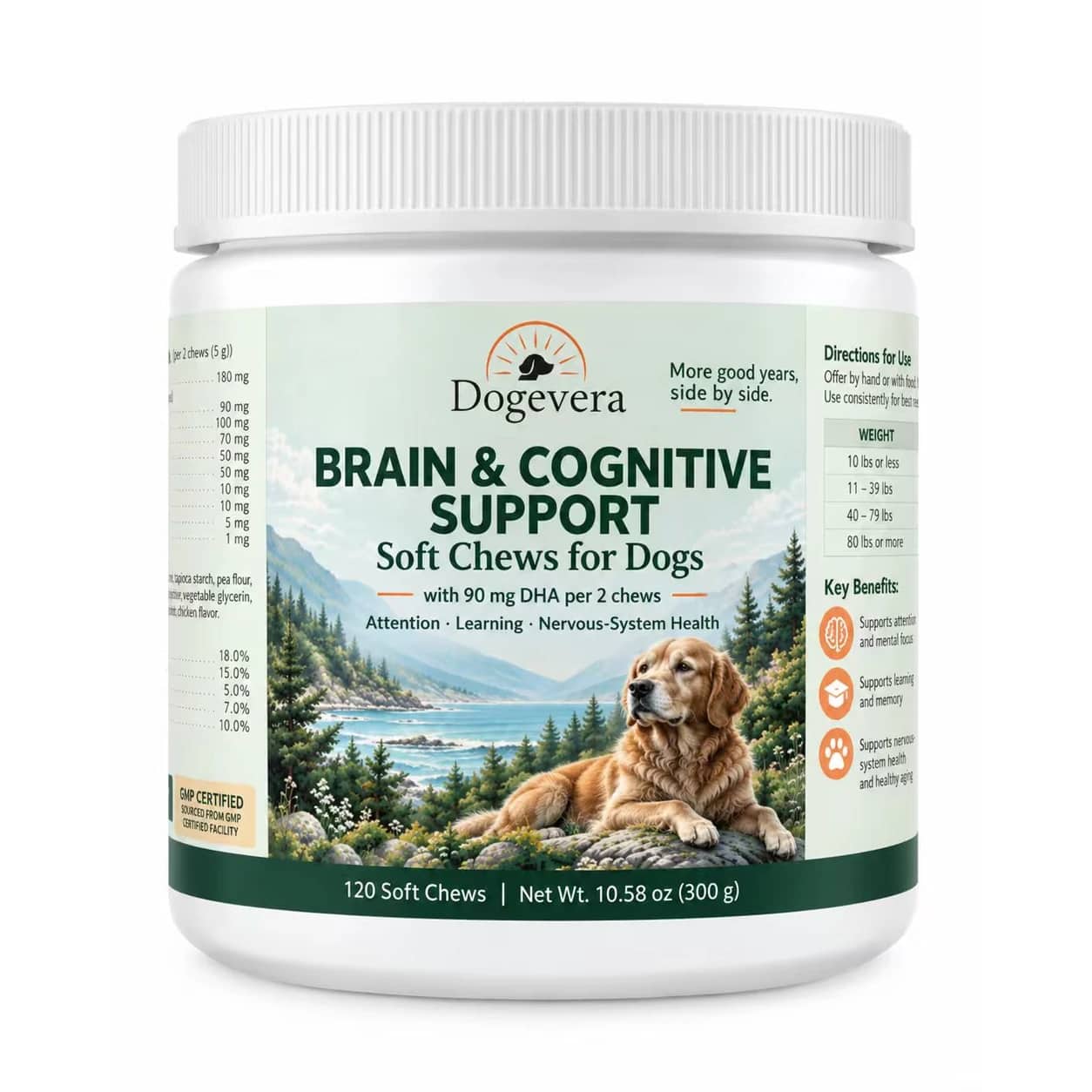
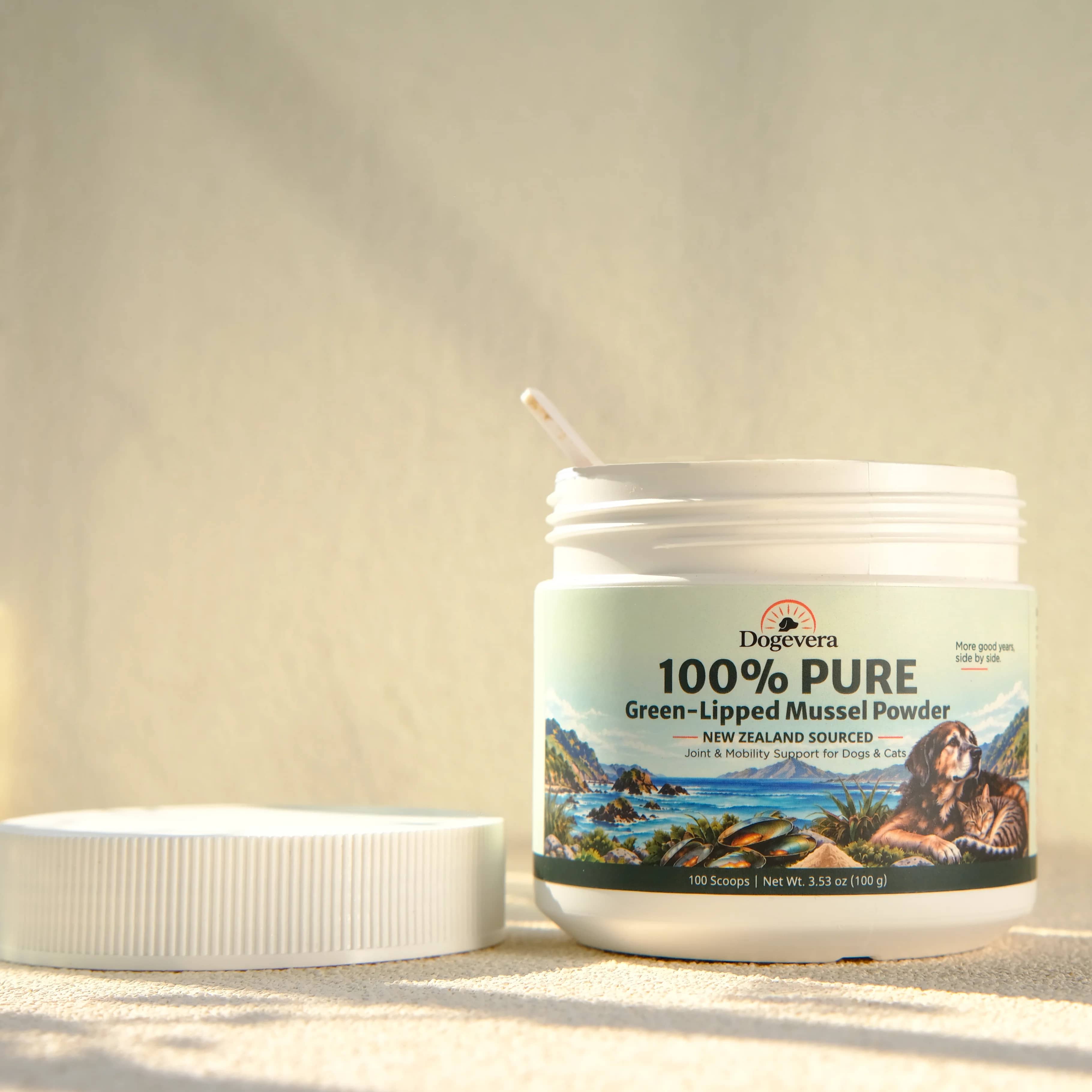
Start with the label because it is the information you can compare across products without guessing. FDA lists core animal-food label elements including product identification, net quantity, the manufacturer or distributor’s name and place of business, and an ingredient list. Ingredients are generally listed by common or usual name in descending order by weight. (fda.gov)
Use this label check before you compare benefits:
- Identity: Can you tell whether the product is a powder, chew, liquid, treat, or another form?
- Ingredients: Are the ingredients named clearly enough for you to recognize what your dog would receive?
- Directions: Does the package provide usable serving directions and relevant weight ranges, rather than leaving you to improvise? See how to read dog supplement dosage by weight for a careful label-reading process.
- Responsible company: Is there a company name and a way to contact the seller with a lot number or product question?
- Lot or batch details: Can the company identify the specific production run if you need to ask about the item later?
A complete label does not establish that a product will suit every dog. It does give you a better starting point for comparing products, keeping records, and asking a focused question if something changes.
Manufacturing claims and lab documents are different
“Made in a facility that follows quality standards” and “independently tested” are not interchangeable claims.
- Manufacturing claim: This describes a process or facility practice. Look for the exact standard named, who applies it, and whether the claim refers to the facility, the brand, or the specific product.
- Independent quality document: This may show that a particular batch was tested. Check whether the document names the product, lot number, test date, testing organization, and the specific items measured.
- Ingredient sourcing statement: This can help explain where an ingredient comes from, but it is not automatically a finished-product test.
- FDA drug approval statement: This is a regulatory claim about a drug, not a general shorthand for quality control or careful manufacturing.
A document is most useful when it helps you match what you bought to what was tested. If you cannot connect the document to the product and batch in your hand, treat it as general company information rather than proof about that package.
A seller-information checklist you can reuse
Before placing an order, save the product page or label and work through this short list:
- Product match: Does the page match the product name, form, and ingredient list on the package?
- Claim check: Does the seller describe everyday nutritional support, or does the language promise to treat, cure, prevent, or manage a disease?
- Company trail: Is there a real manufacturer or distributor identity, contact route, and lot or batch reference?
- Document scope: If there is a certificate or report, does it identify a batch and explain what was tested?
- Total routine: Does the product fit alongside your dog’s current food, treats, and other supplements without creating a confusing pile of overlapping ingredients?
- Return to the label: Can you follow the package directions as written, instead of relying on a social-media summary or a retailer’s shortened description?
This checklist also makes value comparisons more concrete. Are dog supplements worth the money? can help you compare the stated purpose, evidence, and ongoing cost without treating price as a quality score.
Claims deserve a slower read
Be cautious when a product’s wording sounds stronger than the evidence or documentation shown beside it. A seller can make a product sound precise while leaving basic questions unanswered, such as what is in the package, who made it, or what a testing document covers.
Choose plain, verifiable information over broad promises. If you start a product, keep the package, record the lot number, and note ordinary changes in appetite, stool, interest in food, movement, or routine for a few days. For a simple observation method, use this guide to tracking whether a dog supplement is working.
If your dog has a new reaction after a product change, pause and contact your veterinary team for guidance rather than trying to sort out the cause by adding another product.
FAQ
Does a third-party lab report mean FDA approval?
No. A lab report may provide information about testing, but it does not by itself show that a finished dog supplement is FDA-approved as a drug.
Does “made in the USA” prove product quality?
It identifies a location claim, not a complete quality assessment. Still check the ingredient list, responsible company, lot information, directions, and any batch-specific document.
Should I avoid every product with a health-related claim?
Look closely at the exact wording rather than relying on a single phrase. Disease-treatment claims are different from ordinary food or nutritional descriptions, and a seller should be able to explain what their claim means.
What is the best next step before buying?
Compare the actual label with the seller’s product page, then save both. If the claims, ingredients, directions, or company information do not line up, choose a clearer product or ask the seller for specifics before ordering.
For individual health questions, your veterinarian remains the best partner.