TL;DR
The best dog dental powder for a senior dog is one with a clear ingredient label, practical serving instructions, and a texture your dog will reliably eat. A powder can support a daily dental routine, but it does not replace an oral examination, professional cleaning, or veterinary advice when your dog shows mouth discomfort.
What makes the best dog dental powder for an older dog?
Start with fit, not the most impressive claim on the front of the package. A useful choice should pass four checks:
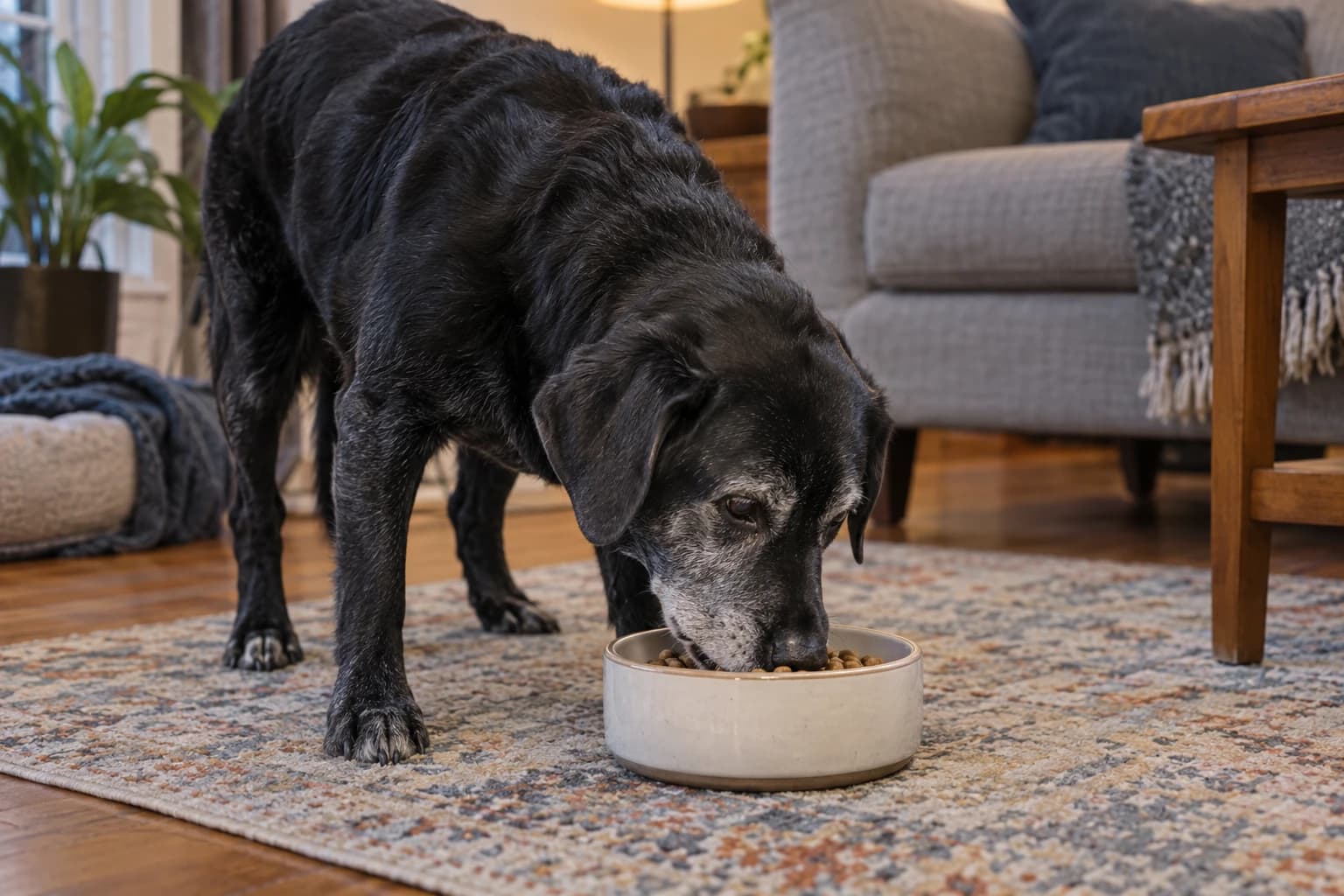
- Your dog can eat it comfortably. A senior dog who has become selective with food, drops pieces, or chews on one side may not be a good candidate for a new mix-in routine until their mouth has been checked.
- The label is specific. Look for named ingredients, serving directions, storage instructions, and the complete ingredient panel rather than a vague blend.
- The routine is easy to repeat. A product that sits unused in a cabinet does not help you build consistent daily care.
- The claims stay realistic. Dental powder may fit between brushing and veterinary care. It should not be presented as a way to remove established tartar or solve every cause of bad breath.
For a closer look at label language and brown-algae products, read does dental powder remove tartar on dogs? before comparing jars.
Which dental powder format suits your senior dog?
Powders are usually chosen because they can be mixed into food without asking an older dog to tolerate a brush or chew. That convenience matters, but food acceptance and mouth comfort still come first.
Fine powder mixed into food
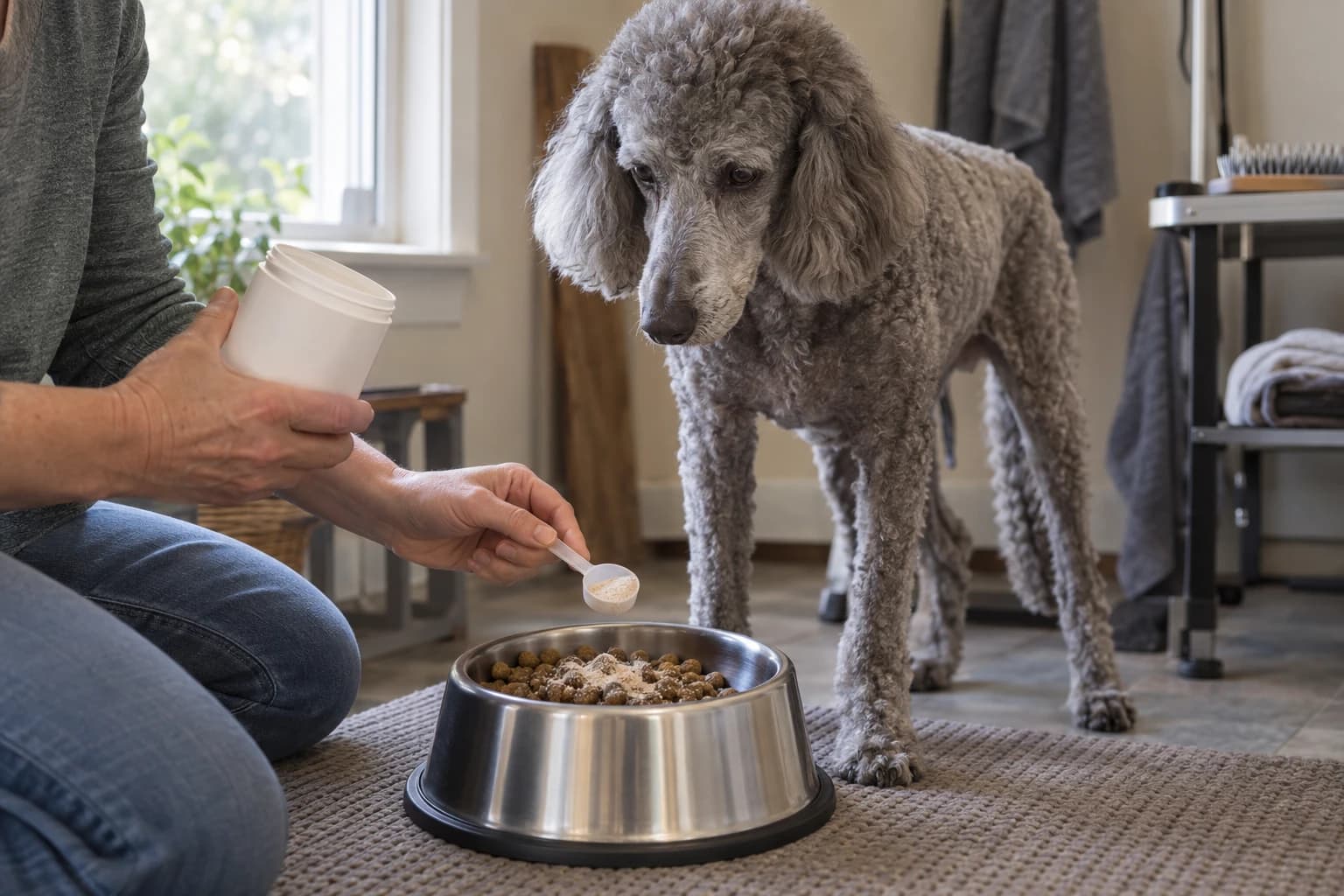
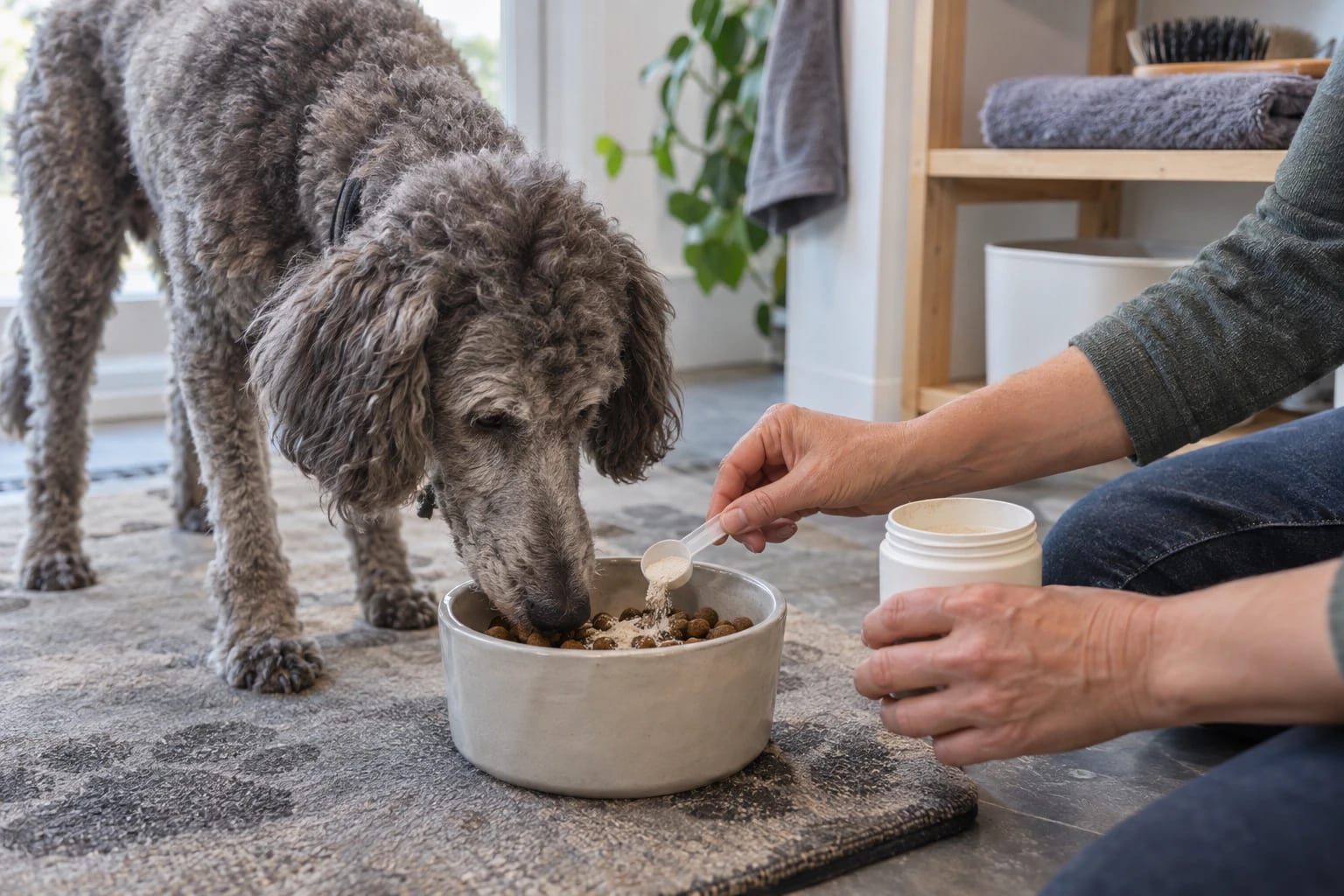
This is the most practical format for a dog who finishes meals reliably. Mix it according to the package directions, and watch whether your dog eats the entire portion. If they leave food behind, you cannot assume they received the full serving.
A simple approach is to add the powder to a small amount of food your dog is likely to finish, then offer the rest of the meal. Keep the routine consistent and avoid changing several foods, treats, or supplements at the same time.
Powder with a strong smell or flavor
Some dogs accept a noticeable flavor, while others refuse food as soon as its smell changes. If your dog walks away, do not keep increasing the amount or disguise it in a full bowl. Pause, check the label, and consider whether a different format or veterinary conversation makes more sense.
Chews and treats as alternatives
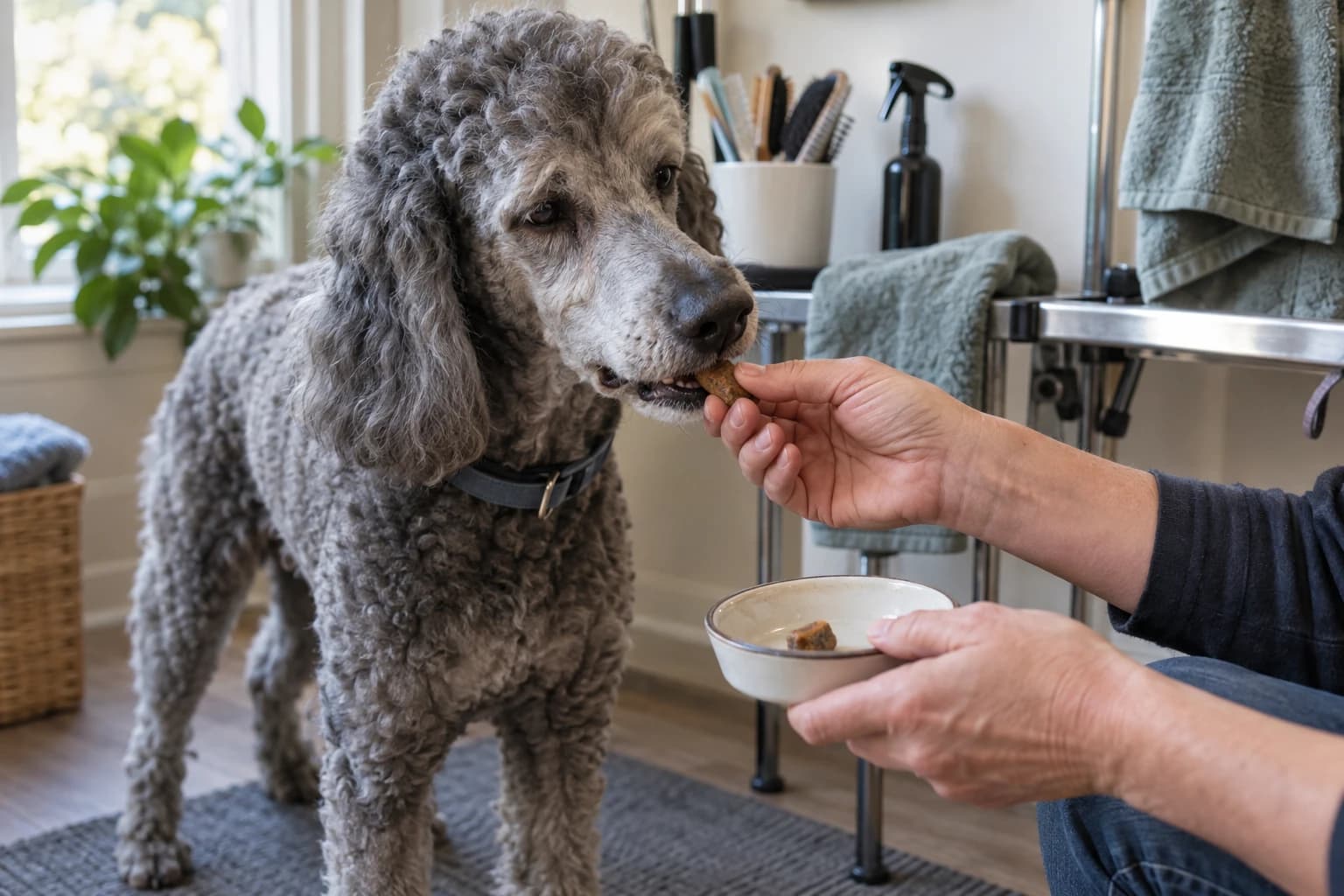
Dental treats can be one small part of oral care, but they are not automatically a better choice for a senior dog. Texture, chewing comfort, ingredients, and your dog’s ability to eat them all matter. The guide to dog treats and dental health can help you compare that option without treating a treat as a replacement for dental care.
What should you check on the ingredient label?
Read the entire panel, not only the featured ingredient. Use this checklist before buying:
1. Named ingredients: Can you identify what is included, or does the label rely mainly on broad terms such as “proprietary blend”? 2. Serving unit: Does the package explain how to measure the product for your dog? Follow the final package directions rather than an old image or a retailer listing. 3. Additional ingredients: Check flavors, proteins, and other additions if your dog has reacted to foods or supplements before. 4. Storage details: Note whether the package gives clear instructions and whether the powder has changed noticeably in smell, color, or texture. 5. Contact information: A complete label should make it possible to identify the maker and ask questions about the product.
“Natural” is not a complete safety or quality assessment. The useful question is whether the label tells you enough to make a careful choice for your individual dog. All-natural dog dental powder: what to check first offers a longer label-reading checklist.
How should you introduce a dental powder?
Make the first trial easy to observe. Choose a normal meal, use the package directions, and avoid introducing another new food or supplement on the same day. Watch three things:
- Did your dog eat the portion normally?
- Did they show any reluctance to chew or swallow?
- Did their stool, appetite, or usual behavior change afterward?
Write down what happened for three days. If your dog refuses the food, stop trying to force the routine and reassess the mixing method or product. If you notice mouth pain, repeated food refusal, or a marked change in behavior, contact your veterinarian rather than trying to cover the change with a dental product.
If your dog is a picky eater, guidance on what to do when a dog refuses food with powder on it may help you troubleshoot the feeding step without wasting a full bowl of food.
When is powder not enough?
A powder is not a substitute for checking a painful or visibly unhealthy mouth. Arrange veterinary care when your dog chews on one side, suddenly stops eating hard treats, has persistent bad breath, or shows a new reluctance to eat. Bad breath can be associated with plaque or tartar, but it can also have a medical cause, so a home product cannot identify the source.
Professional dental care matters when tartar is already established or your dog needs an oral examination. Daily home care can be part of an ongoing routine after you know what your dog’s mouth needs.
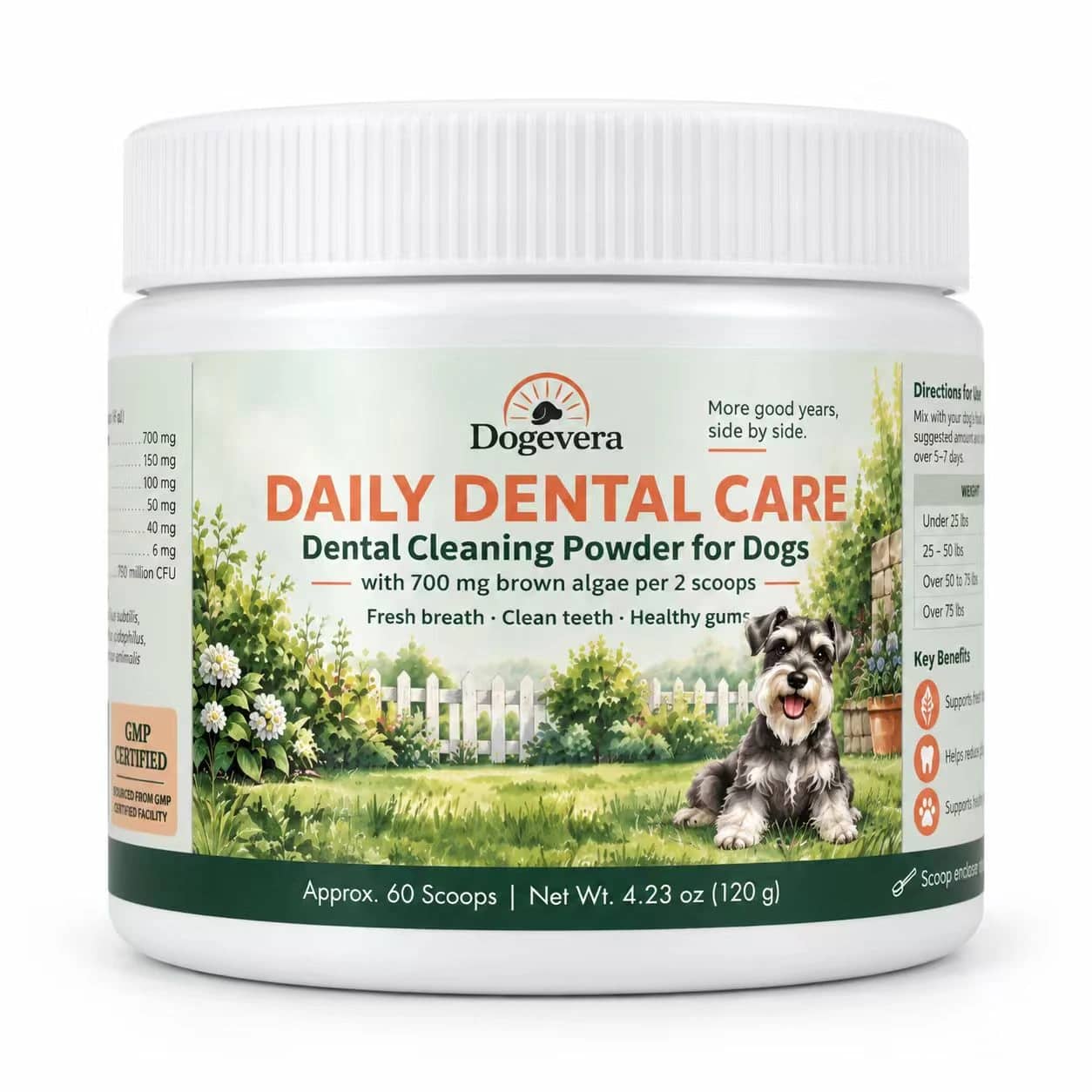
For product-specific mixing, Daily Dental Cleaning Powder for Dogs is the single product listed for this guide. Read its current package directions and ingredient panel before deciding whether it fits your dog.
FAQ
Is dental powder better than brushing?
Not automatically. A powder may be easier for some senior dogs, while brushing gives you a different kind of home-care routine. Choose the method your dog can tolerate consistently, and do not use either one to delay care for a painful mouth.
Can dental powder remove tartar?
Do not treat powder as a tartar-removal tool. Established tartar and mouth discomfort call for veterinary assessment rather than more product.
What if my senior dog refuses food with powder on it?
Stop the trial, check whether the powder changed the smell or texture, and try a small separate portion only if your dog is otherwise eating comfortably. Ongoing refusal or signs of mouth pain deserve a veterinary call.
For individual health questions, your veterinarian remains the best partner.