TL;DR
The best soft dog food for older dogs is one your dog can eat comfortably and that fits their usual nutritional needs, ingredient preferences, and daily schedule. Start with a clear label, a manageable texture, and a simple record of how your dog approaches and finishes meals.
What is the best soft dog food for older dogs?
There is no single best choice for every older dog. A practical choice is a food with a texture your dog handles calmly, a nutrition statement appropriate for their life stage, and ingredients that work with the rest of their routine.
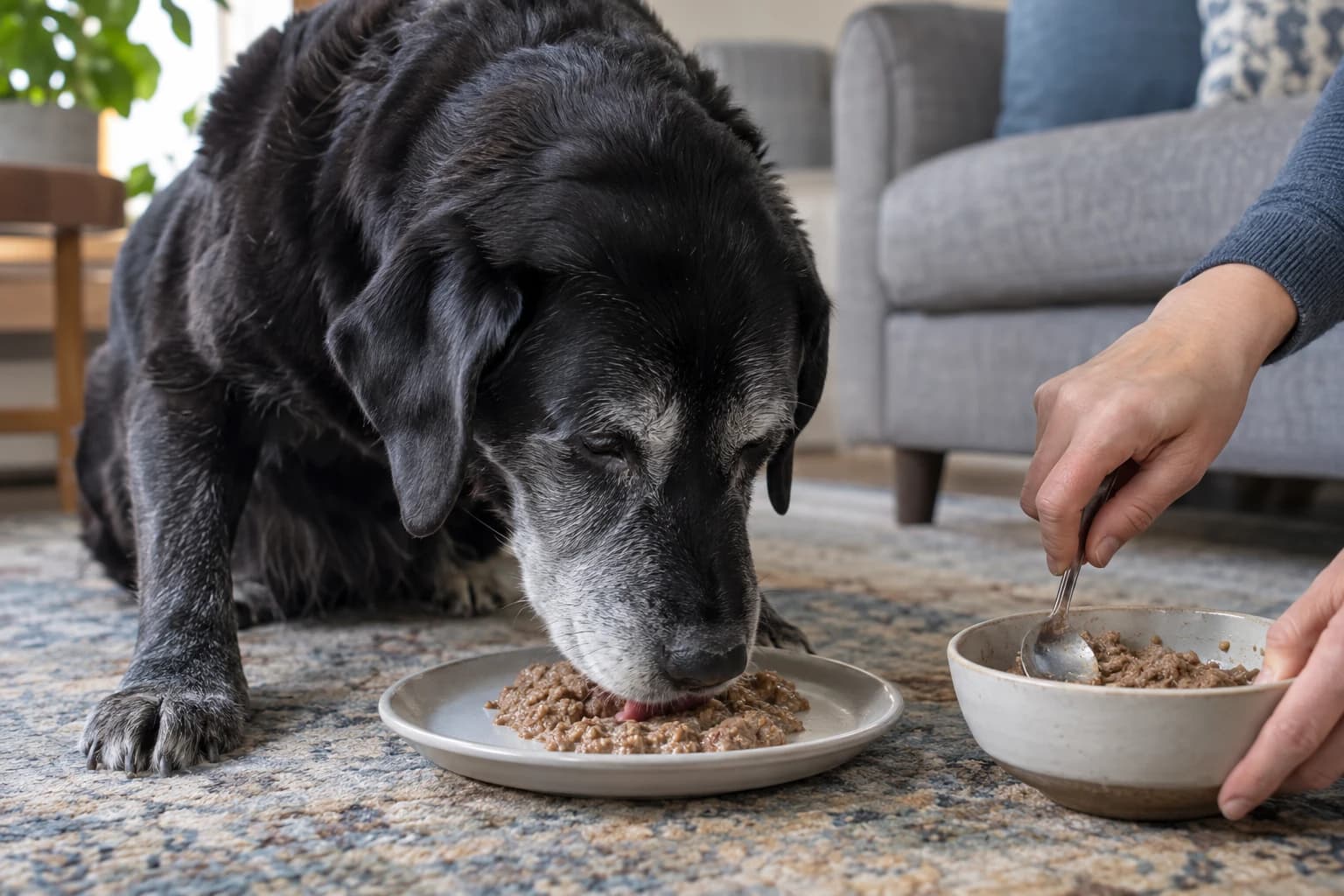
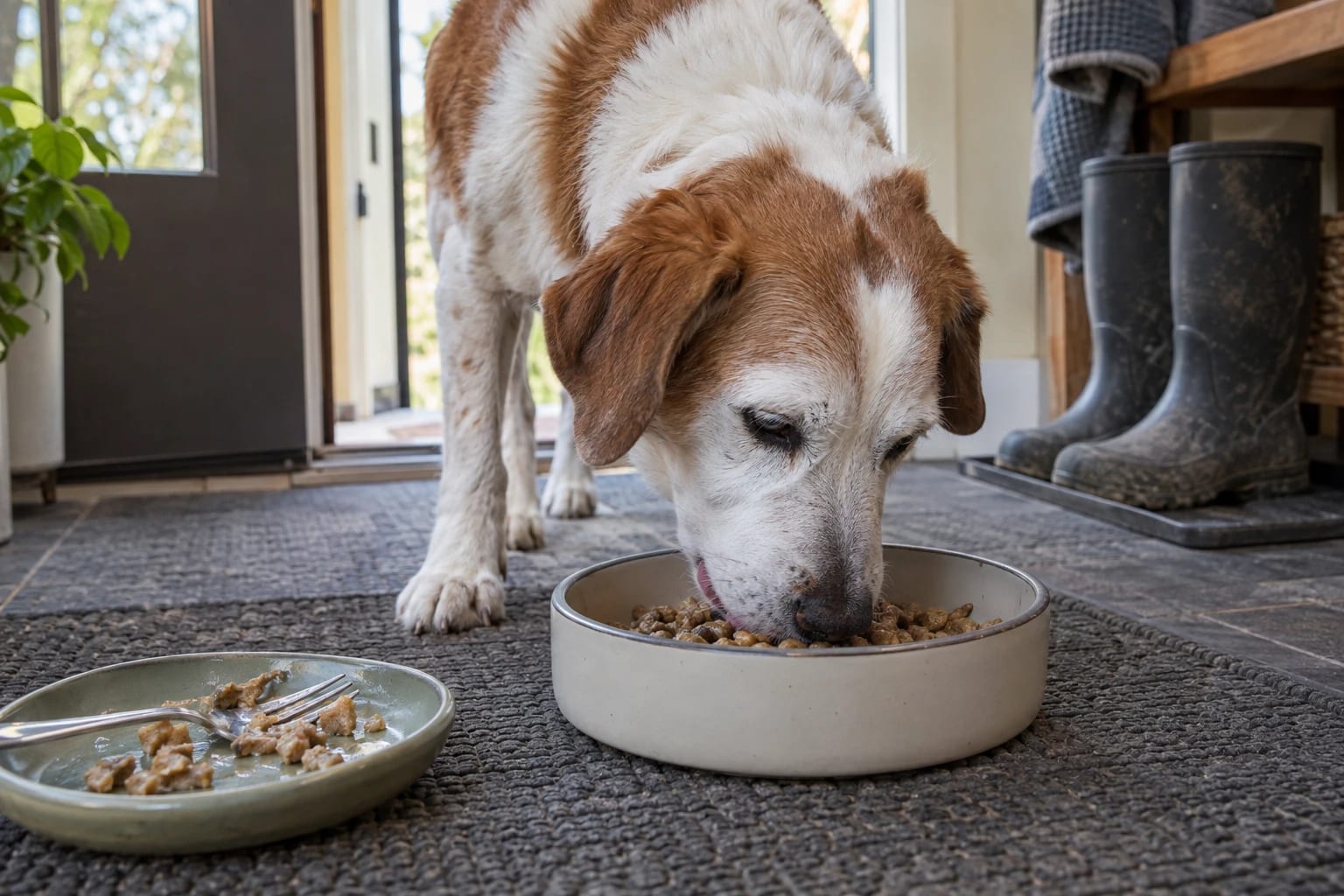
Watch one ordinary meal before changing anything. Does your dog walk to the bowl willingly, take food without dropping it, pause often, leave food behind, or seem content after eating? Those details help you choose between a smooth pâté, minced food in gravy, stew-style food, or dry food softened with water.
If your dog has begun avoiding kibble, chewing slowly, or dropping food, mouth comfort may be part of the decision. Our guide to soft dog food for senior dogs with bad teeth focuses on the home observations that deserve extra attention.
Compare texture before flavor or packaging
Soft food can mean several very different textures. Match the format to how your dog actually eats, rather than assuming all canned or wet foods feel the same.
Smooth pâté
A pâté can be easy to portion and mash with a fork. It may suit a dog who prefers a consistent texture and tends to push chunks around the bowl. Check whether the food stays soft at room temperature and whether your dog licks rather than gulps it.
Minced food or small chunks
Minced formulas and small chunks can add variety, but some dogs may leave firmer pieces behind. Serve a small test portion first and look at the empty bowl, not just your dog’s initial enthusiasm.
Stew-style food in gravy or broth
This format may appeal to dogs who enjoy a wetter meal. Look closely at the solid pieces, since a gravy-heavy food can still contain chunks your dog finds awkward to manage.
Softened dry food
If your dog normally does well on dry food, softening the usual portion with water can be a simple transition. Let it absorb until the pieces are easy to press with a fork, then offer it promptly. Do not leave moistened food sitting out for a long time.
Check the label for a complete daily food
For a main meal, begin with the package’s nutritional adequacy statement. A food described as complete and balanced for your dog’s relevant life stage is different from a topper, mixer, broth, or treat meant to be fed alongside another diet.
Then read the full ingredient list and feeding directions. Choose a formula with ingredients you recognize from your dog’s established routine when possible, especially if abrupt food changes have not gone smoothly before. A short ingredient list is not automatically better, and a long one is not automatically worse. What matters is whether the food is clearly identified, suitable as a daily diet, and manageable for your household.
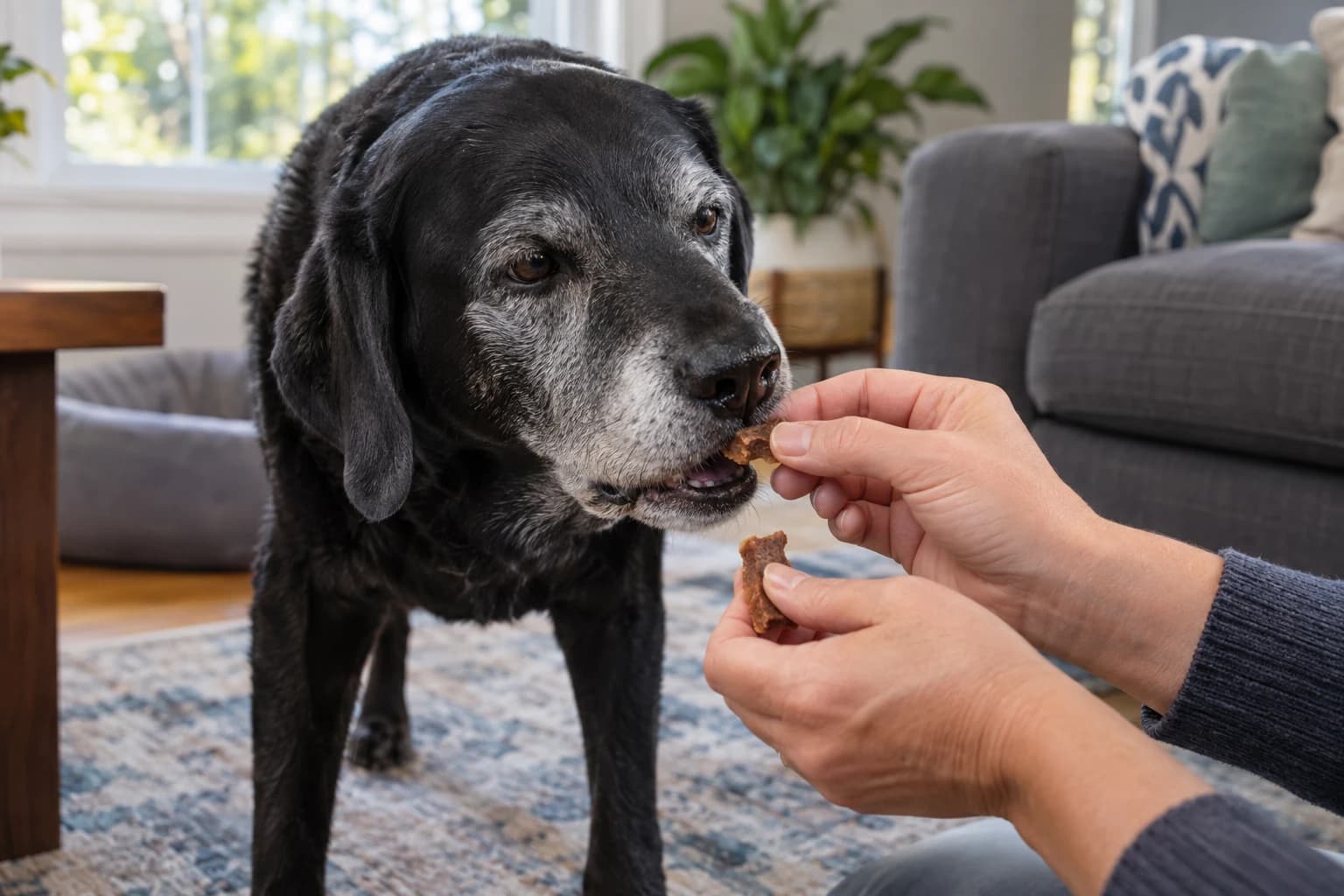
Keep treats separate from meals when comparing daily food. Soft rewards can be useful for gentle training or medication routines, but they are not a substitute for a complete meal. See how to compare soft dog treats for older dogs by texture and portion guidance.
Use this three-day meal check
A brief, consistent check can make food shopping less guesswork-driven. For three days, note the same points at each meal:
- The food format and flavor
- Whether your dog approached the bowl willingly
- How easily they picked up and ate the food
- Whether they finished their usual portion
- Any food left in the bowl or dropped nearby
- Changes in stool, appetite, or general behavior
Make only one food-related change at a time when you can. For example, do not switch the main diet, add several toppers, and introduce a new supplement during the same week. A clearer routine makes it easier to see what your dog accepts.
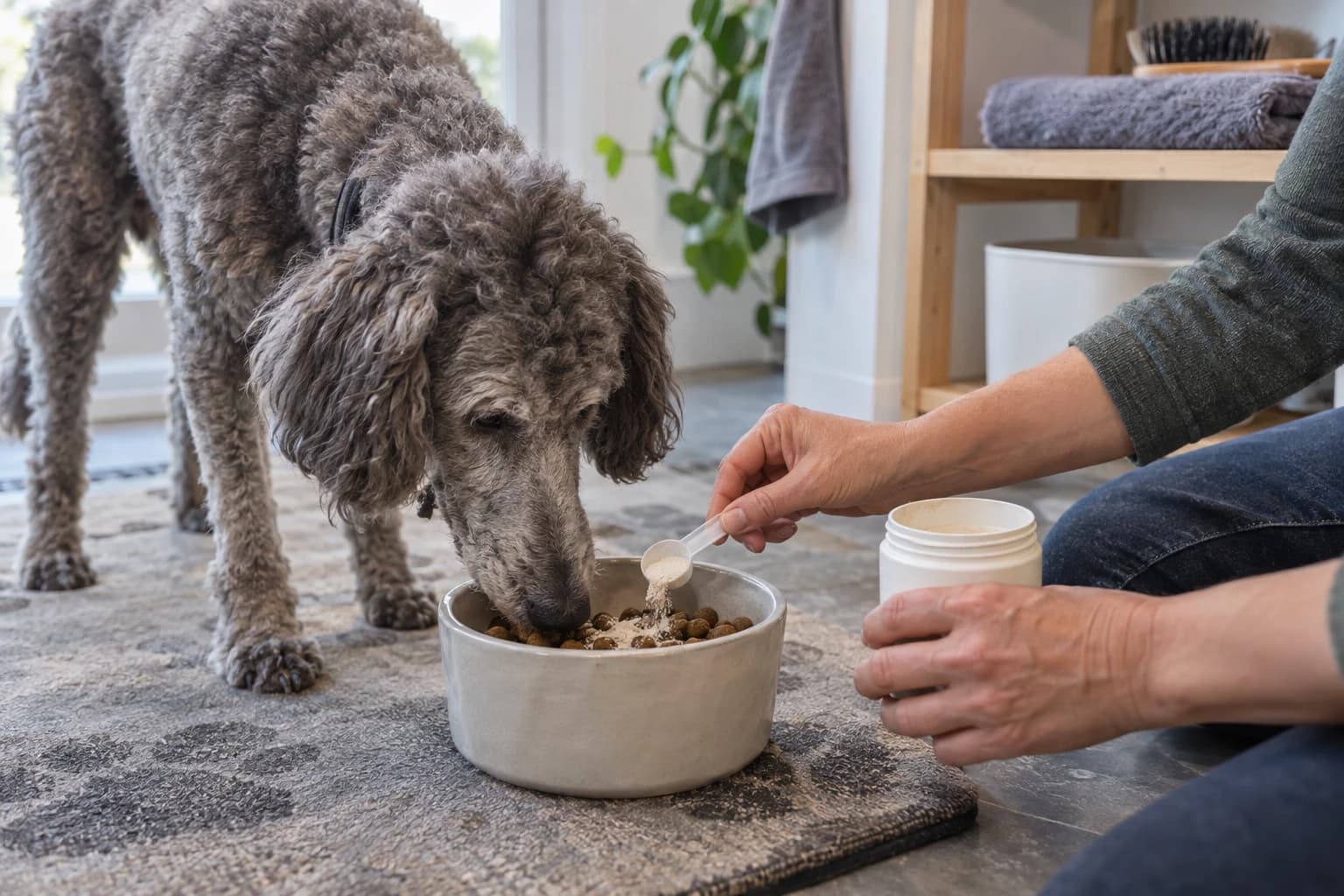
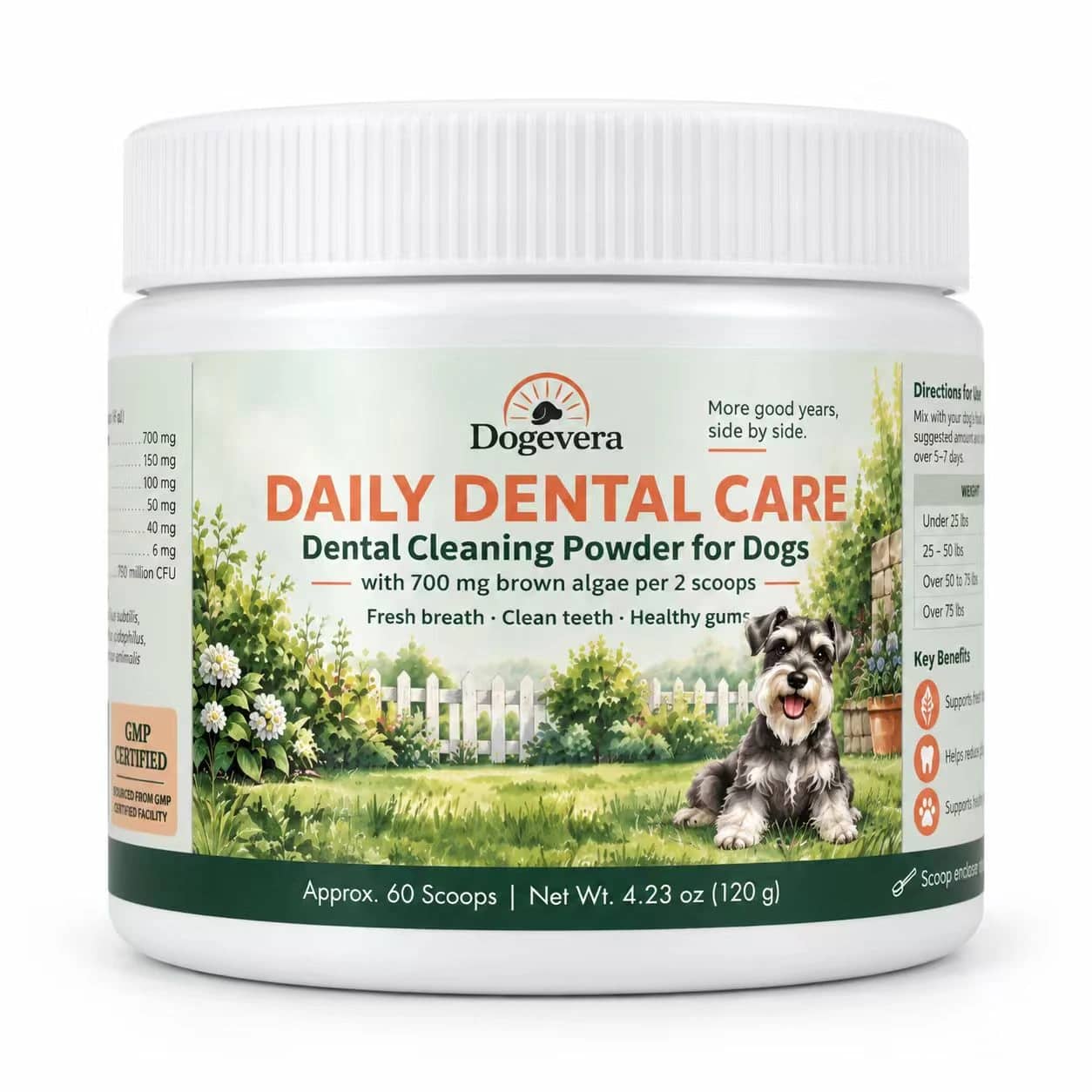
If you use dental-focused foods or products, keep expectations realistic. Texture may be part of daily oral-care planning, but it does not replace attention to mouth discomfort or an oral-care routine. Our dental health dog food guide explains what to check when food texture and dental care overlap.
Everyday feeding details matter
The bowl, location, and pace of meals can affect whether a food feels practical. Use a stable bowl on a non-slip surface and place it where your dog can eat without being bumped or rushed. A quiet spot may be especially useful for a dog who pauses frequently or walks away from the bowl.
Serve portions according to the package directions, then adjust your shopping plan around what your dog reliably finishes. If refrigerated food is part of the routine, use the storage instructions on the specific package and keep a simple system for labeling opened containers.
A sudden refusal of food, repeated difficulty eating, or a change that affects more than one meal is worth raising with your veterinarian. Bring your notes and a photo of the food label so the conversation can be more specific.
FAQ
Is wet food always better for older dogs?
Not necessarily. Wet food can be a useful soft option, but the best format depends on your dog’s comfort, daily diet, label details, and how consistently they eat it. Some dogs do well with softened dry food or a combination chosen with their regular care team.
Can I mix soft food with kibble?
You can consider mixing formats if both foods fit your dog’s routine and the portions remain clear. Start with a small, consistent combination rather than changing the ratio at every meal, so you can tell whether your dog is eating both parts.
What if my older dog only licks the gravy?
Check whether firmer pieces remain in the bowl and try a texture with smaller pieces or a smoother consistency. If this is new behavior or your dog seems uncomfortable while eating, contact your veterinarian rather than treating it as a simple preference change.
For individual health questions, your veterinarian remains the best partner.