TL;DR
The best soft dog treats for older dogs are easy to break, easy for your dog to chew, and clear about ingredients and serving guidance. Start with a small piece, watch how your dog eats it, and choose a treat your dog can manage without rushing, dropping, or repeatedly repositioning it.
What makes a soft treat easier for an older dog?
Look for treats that bend, break, or flatten with gentle pressure rather than treats that are rigid, dry, or difficult to split. A soft texture can make rewards easier to portion and may suit a dog who has stopped accepting hard biscuits. If your dog suddenly refuses hard treats, check whether they are still eating regular food and whether the change is limited to treat texture. Dog Suddenly Not Eating Hard Treats? What to Check offers a useful observation order.
Before buying a large bag, test one small treat at home. Notice whether your dog:
- Takes the treat without hesitation
- Chews comfortably instead of dropping it
- Uses both sides of their mouth normally
- Finishes the piece without coughing, gagging, or repeated attempts
- Accepts the texture consistently on different days
A soft treat should not be so sticky that it coats the mouth or breaks into pieces your dog struggles to manage. If your dog chews on one side, drops food, or seems uncomfortable while eating, pause treat experiments and arrange a veterinary conversation rather than trying to solve the pattern with a softer snack.
How do you compare ingredients and labels?
Read the full ingredient panel, not only the flavor name on the front. Look for a clearly named primary ingredient, a complete list of added flavors or proteins, and serving instructions that match your dog's size or weight range. A short ingredient list can make changes easier to track, but length alone does not decide whether a treat suits your dog.
Check for ingredients your dog already avoids. Flavor bases can include proteins that are easy to miss when the front label highlights a different ingredient. The guidance on Dog Supplement Ingredient Sourcing: Read the Label applies to the same basic habit here: inspect the details, source information, and claims instead of relying on a headline.
Avoid choosing a treat only because it uses words such as “senior,” “natural,” or “functional.” Those descriptions do not tell you whether your dog likes the texture, tolerates the ingredients, or can eat the treat comfortably.
Choose the portion before you choose the package
A soft treat is easier to portion when you can tear it into smaller pieces without crumbling. For training or frequent rewards, select a product that lets you offer a tiny piece while keeping the taste and texture consistent. For an occasional reward, a larger piece may be practical if your dog can chew it comfortably.
Use the package serving guidance and consider the treat alongside your dog's regular food. Keep a simple count of the pieces offered during the day, especially when several family members give rewards. If the label provides calorie information, use it to compare products and discuss the daily plan with your veterinarian when your dog's food intake needs closer attention.
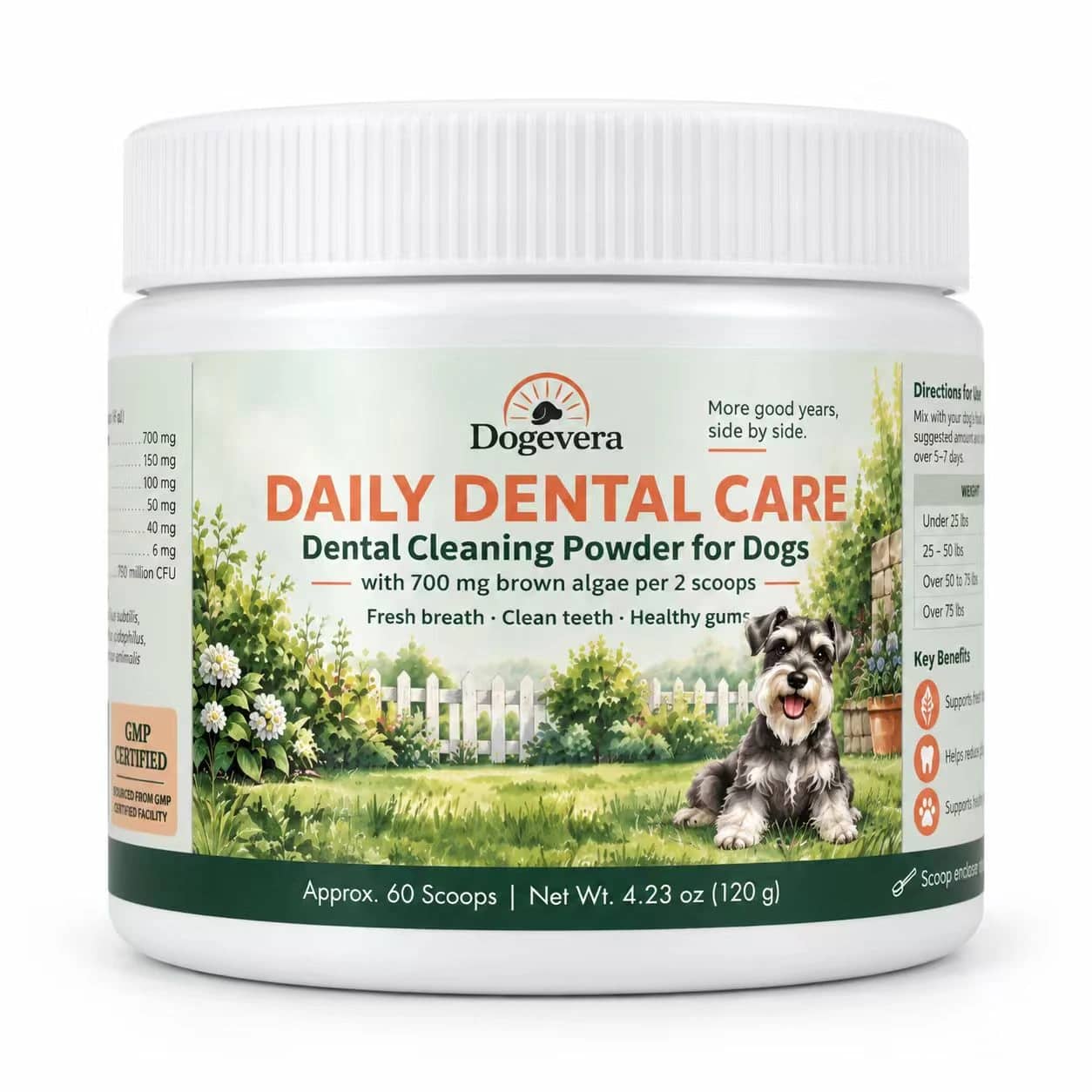
Do not estimate a supplement serving from a treat label, or a treat serving from a supplement label. Soft chews and soft treats can look similar, but they may serve different purposes and have different directions. Dog Supplement Powder vs Soft Chews: How to Choose explains why format, label clarity, and serving accuracy matter when the product is a supplement.
How should you serve soft treats safely?
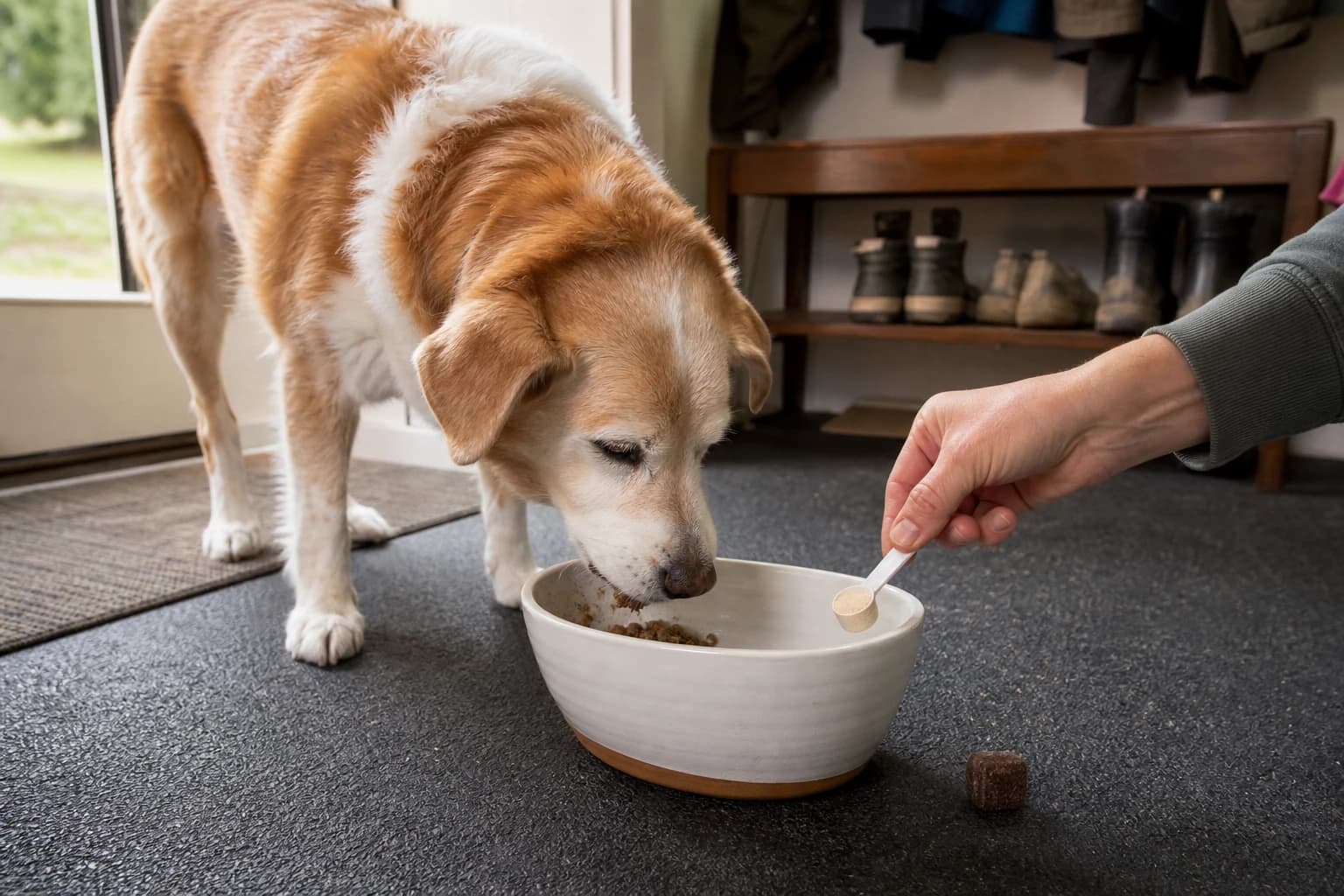
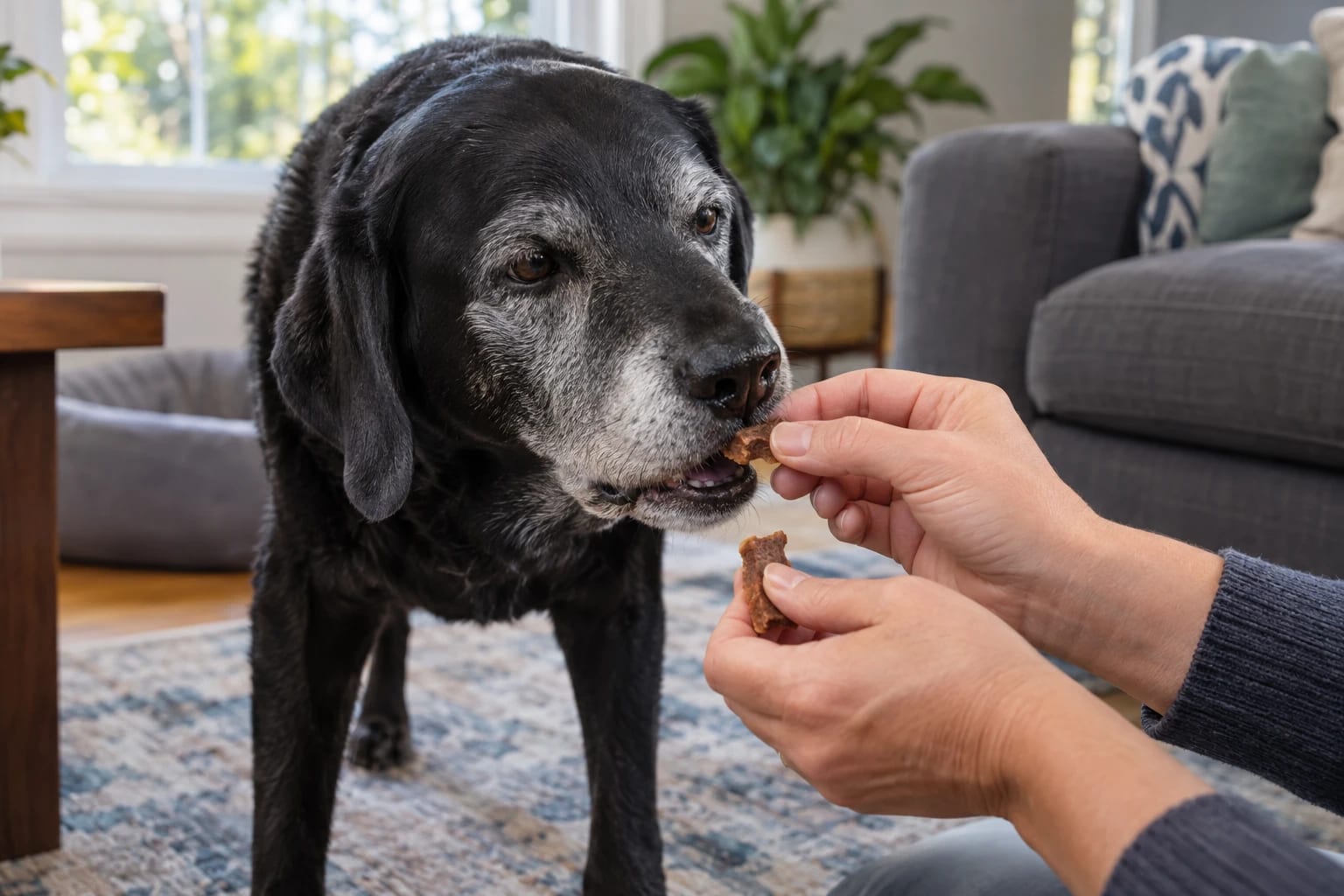
Offer the first piece while your dog is standing or sitting comfortably, then watch the complete chewing and swallowing process. Keep fresh water available and avoid tossing treats toward your dog's mouth. Hand the piece over calmly or place it where they can take it without lunging.
For a dog who eats quickly, make the piece smaller rather than offering a large, sticky mouthful. You can also use a soft treat as a reward for a gentle behavior, such as looking toward you or settling on a mat, instead of adding treats randomly throughout the day.
If you use a treat to hide a tablet, confirm that the product label allows that use and make sure your dog actually swallows the medication. A small treat pocket or a format change may be more practical than repeatedly pushing a tablet into food. See How to Give a Dog a Pill He Won't Take for options to compare.
When should a treat change prompt a closer look?
A preference change is different from a broader eating change. Write down what your dog accepts, what they refuse, and how they chew. Compare soft treats with regular food, water, and other familiar rewards.
Contact your veterinarian if your dog stops eating more generally, appears uncomfortable while chewing, develops a new pattern of dropping food, or has trouble swallowing. Keep the package or photograph the ingredient panel so you can describe the exact treat and any recent change. A short record of observations can make the next conversation more specific than a guess about which flavor your dog prefers.
For individual health questions, your veterinarian remains the best partner.