TL;DR
When a dog refuses a tablet, first try hiding it in a smaller food portion, a sticky treat, or using a pill gun with gentle positioning. If those fail after several attempts, ask your veterinarian whether the medication is available as a liquid, powder, or soft chew instead. Each format suits different acceptance patterns, and switching can make daily dosing easier for both of you.
Why hiding tablets in food sometimes fails
A dog may eat around a tablet because the pill smells different, feels hard against the tongue, or disrupts the texture of a familiar meal. Some dogs learn to sort food from medication after the first attempt, and pressing the tablet deeper into cheese or peanut butter only makes the pocket larger and easier to detect.
A field study of 121 dogs receiving a chewable medication twice daily for seven days found that owners reported 8% of doses required assistance with food treats or manual pilling outside the initial offering period, and 0.4% of doses were not consumed. When acceptance becomes inconsistent, the format or method may need to change rather than the food choice.
Use a smaller food portion and confirm the tablet is gone
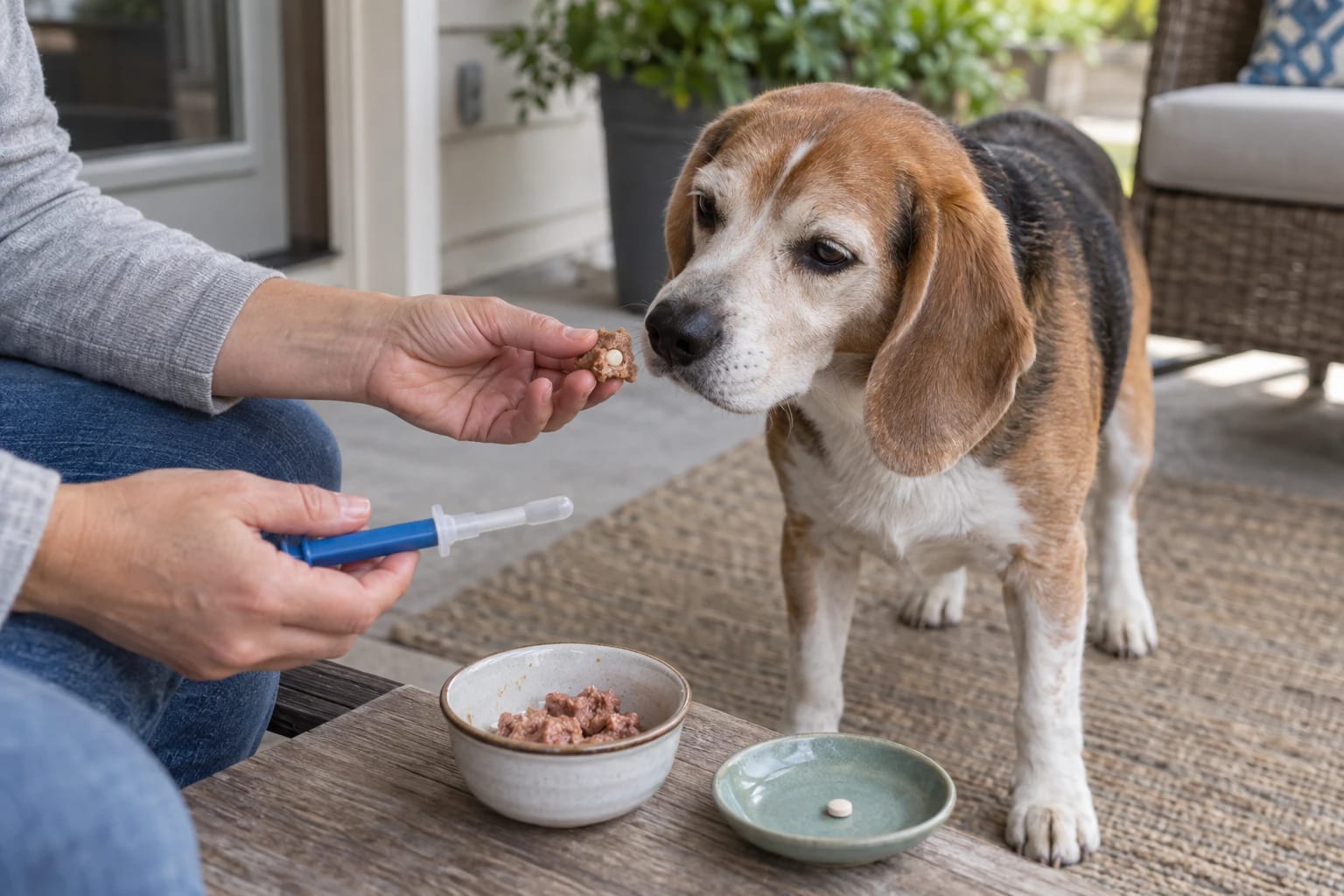
Mix the tablet into one tablespoon of wet food, a small cube of cheese, or a pill pocket designed to close around the medication. Offer that portion first, before the rest of the meal, so your dog is still interested and you can check the bowl immediately after. If the tablet remains, you know right away and can try a second method without wondering whether he swallowed it.
Sticky foods such as cream cheese, liverwurst, or peanut butter (xylitol-free only) can hold a tablet in place long enough for a quick swallow. Press the pill into the center, fold the food around it, and offer it as a single bite.
A pill gun can work when your dog tolerates brief handling
A pill gun, also called a pet piller, holds the tablet at the tip of a soft plunger and lets you place it at the back of the tongue without putting your fingers in your dog's mouth. Stand beside or behind him, tilt his head gently upward, open his jaw by pressing on the lower lip behind the canine teeth, and press the plunger to release the pill. Close his mouth, hold it shut, and stroke his throat until he swallows.
This method works best when your dog accepts brief mouth handling and remains calm. If he struggles, turns his head sharply, or becomes anxious, forcing the issue increases stress and the chance he will refuse the next attempt. Ask your veterinarian to demonstrate the technique during an appointment if you are unsure about positioning or safety.
When to ask about a powder or liquid instead
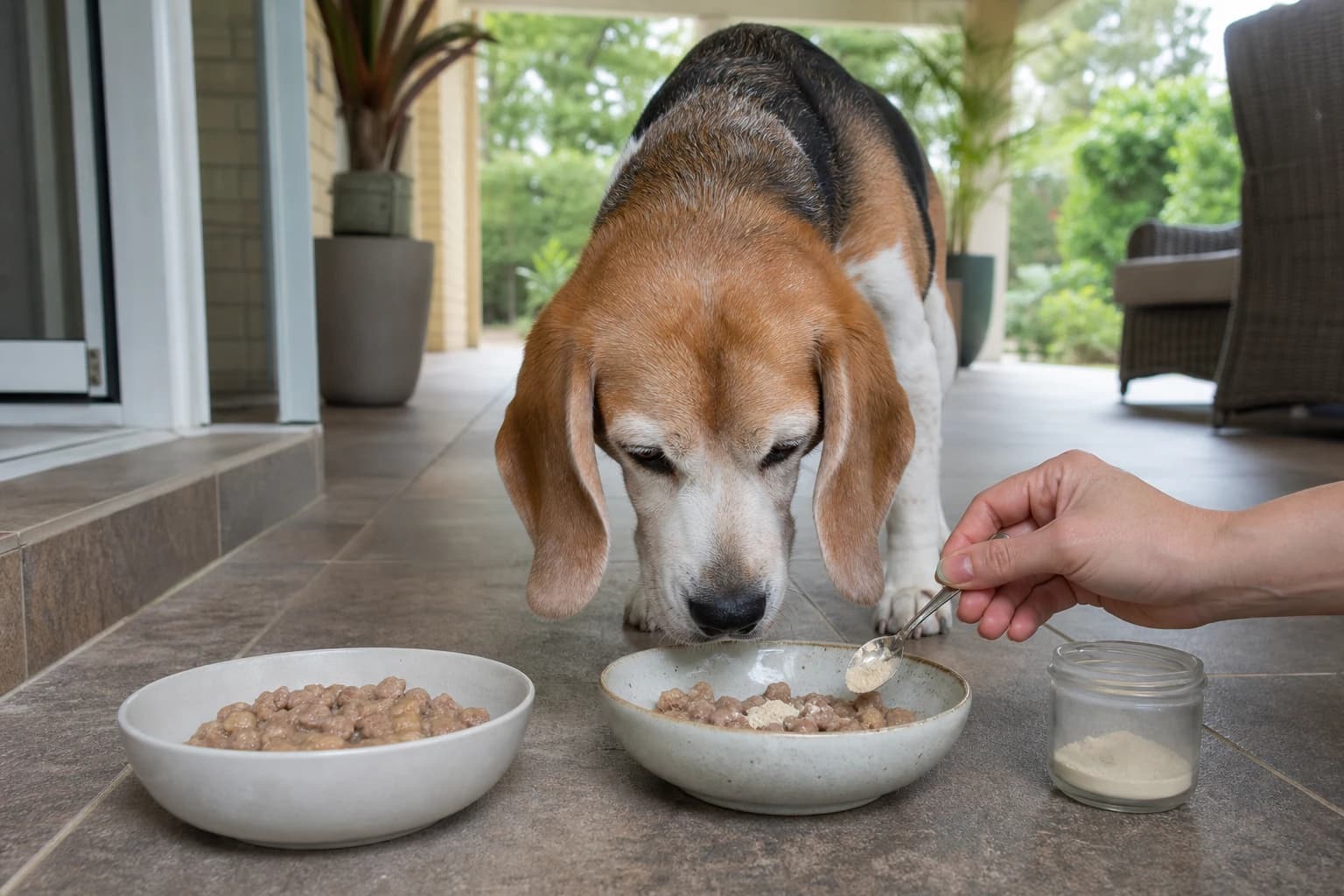
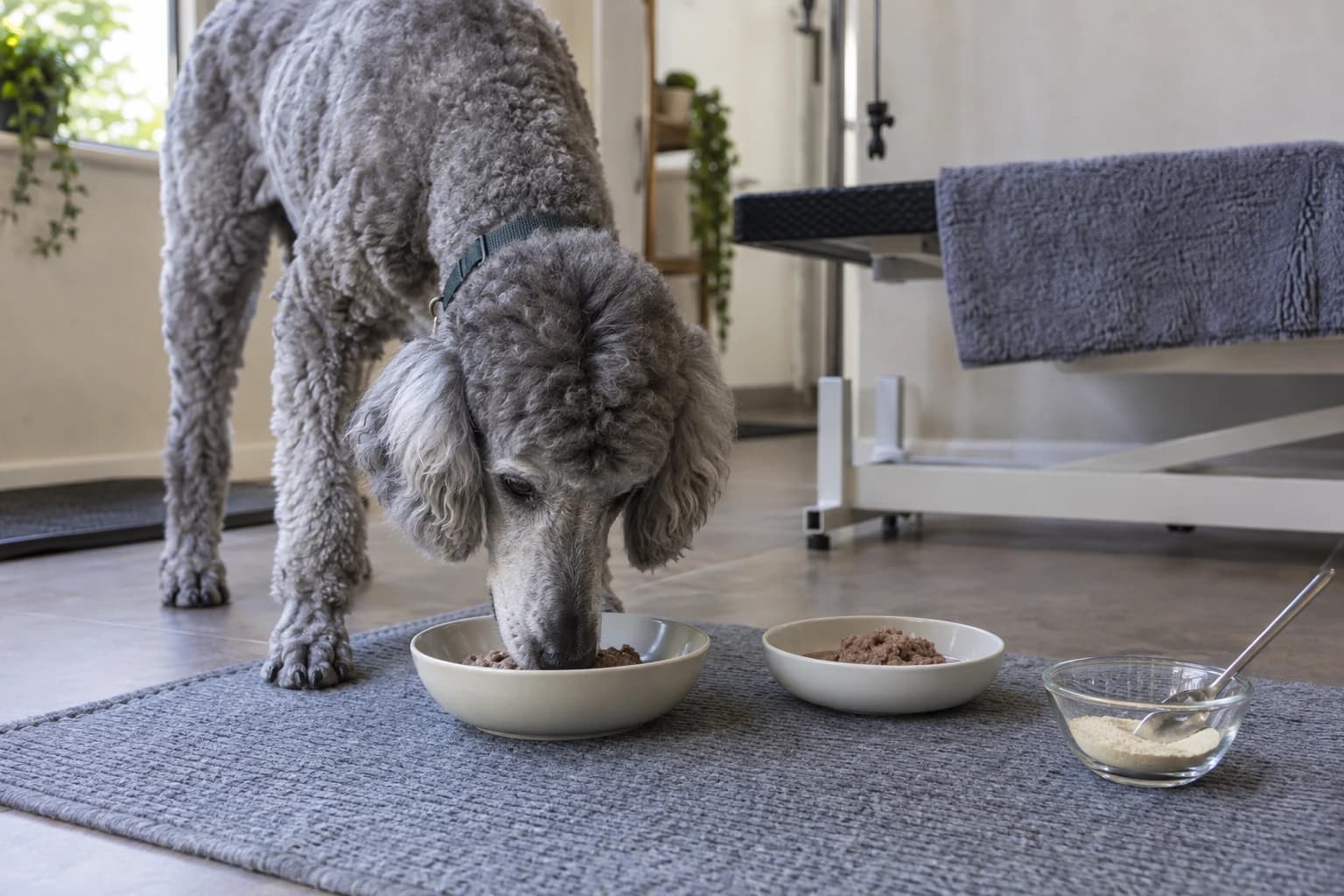
Some medications are compounded as flavored liquids or mixed into transdermal gels, and some supplements are sold as powders that dissolve into wet food. A scoopable powder suits a dog who accepts mixed food but refuses tablets, especially when the powder has a mild or appealing flavor. If your dog refuses food with powder on it, adjust the mixing method or portion size before concluding the format does not work. Read more about how to mix powder into wet food so acceptance improves.
Liquids and gels require careful dosing and can be messier to administer, but they eliminate the need to hide a solid pill. Ask your veterinarian or a compounding pharmacy whether the prescribed medication is available in an alternative format and whether the dose remains equivalent.
Compare soft chews and powders for supplements
When the refusal involves a supplement rather than a prescription, you may have more format options. Soft chews often taste appealing and are accepted voluntarily. A palatability study of a chewable tablet formulation found that 91.6% of doses were consumed within five minutes without assistance, and acceptance rates across 14 doses ranged from 89.9 to 93.3%. However, soft chews may include added ingredients such as flavorings, binders, or preservatives that some dogs react to or that dilute the active ingredient per piece.
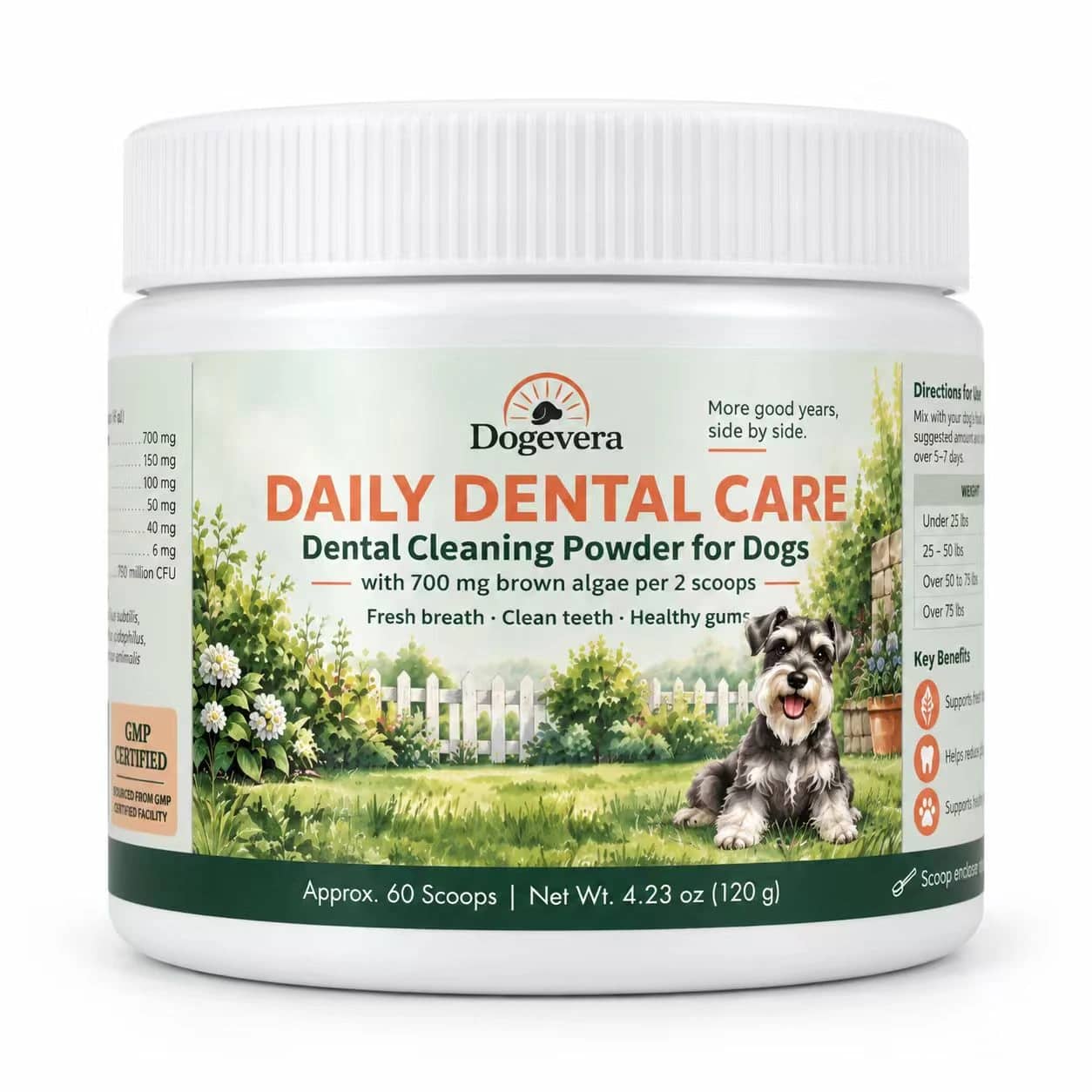
Powders require mixing but allow precise serving adjustments and often contain fewer inactive ingredients. They suit a dog who eats wet food reliably and does not sort or leave portions in the bowl. Compare dog supplement powder vs soft chews by label clarity, daily cost, and how your dog actually eats before choosing one.
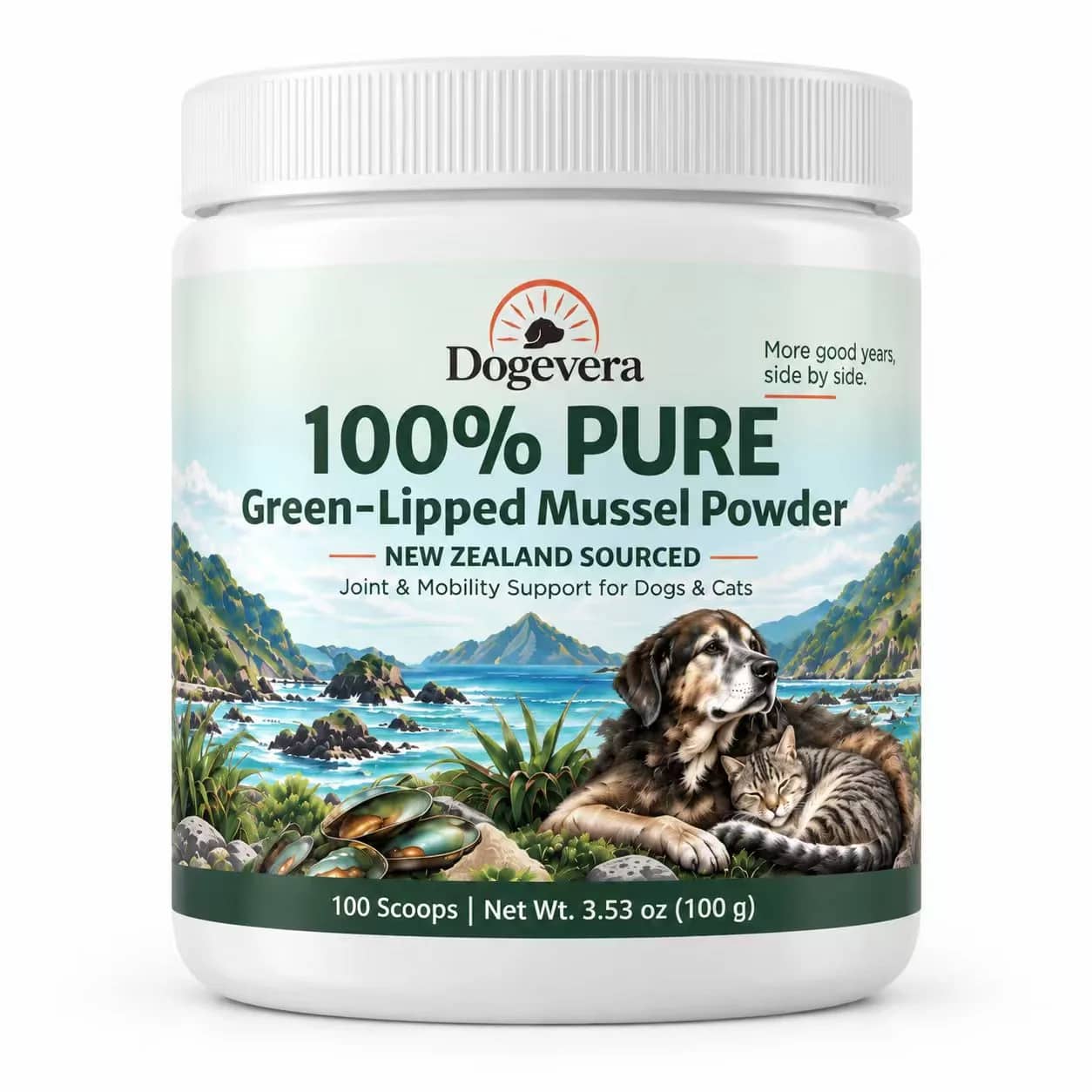
For targeted joint support, New Zealand green lipped mussel powder for dogs is a single-ingredient option that mixes into wet food and allows weight-based serving adjustments.
What to try when every method fails
If your dog refuses a necessary medication despite food hiding, pill guns, and format changes, call your veterinarian before skipping doses. Some medications can be given less frequently, split into smaller doses, or replaced with a different drug that achieves the same therapeutic goal. Missing doses or giving them inconsistently can reduce effectiveness or, in the case of antibiotics, contribute to resistance.
Never crush a tablet or open a capsule without confirming with your veterinarian or pharmacist that doing so is safe. Some medications are designed to release slowly, protect the stomach lining, or remain stable only in their original form. Altering them can change how they are absorbed or cause irritation.
FAQ
Can I crush the pill and mix it into food? Only if your veterinarian or pharmacist confirms it is safe. Some medications must remain intact to work correctly or avoid stomach irritation.
How do I know if my dog swallowed the tablet? Offer it in a small food portion before the main meal, watch him eat, and check the bowl immediately. If you are using a pill gun, hold his mouth closed and stroke his throat until you see him swallow.
What if my dog spits out soft chews? Some dogs treat soft chews as toys rather than food. Try cutting the chew into smaller pieces, mixing pieces into wet food, or switching to a powder format if the supplement allows it.
Is a liquid medication easier to give than a tablet? It depends on your dog. Liquids eliminate hiding but require a syringe, careful aiming toward the cheek pouch, and patience if your dog resists the sensation. Ask your veterinarian to show you the technique before trying it at home.
For individual health questions, your veterinarian remains the best partner.