TL;DR
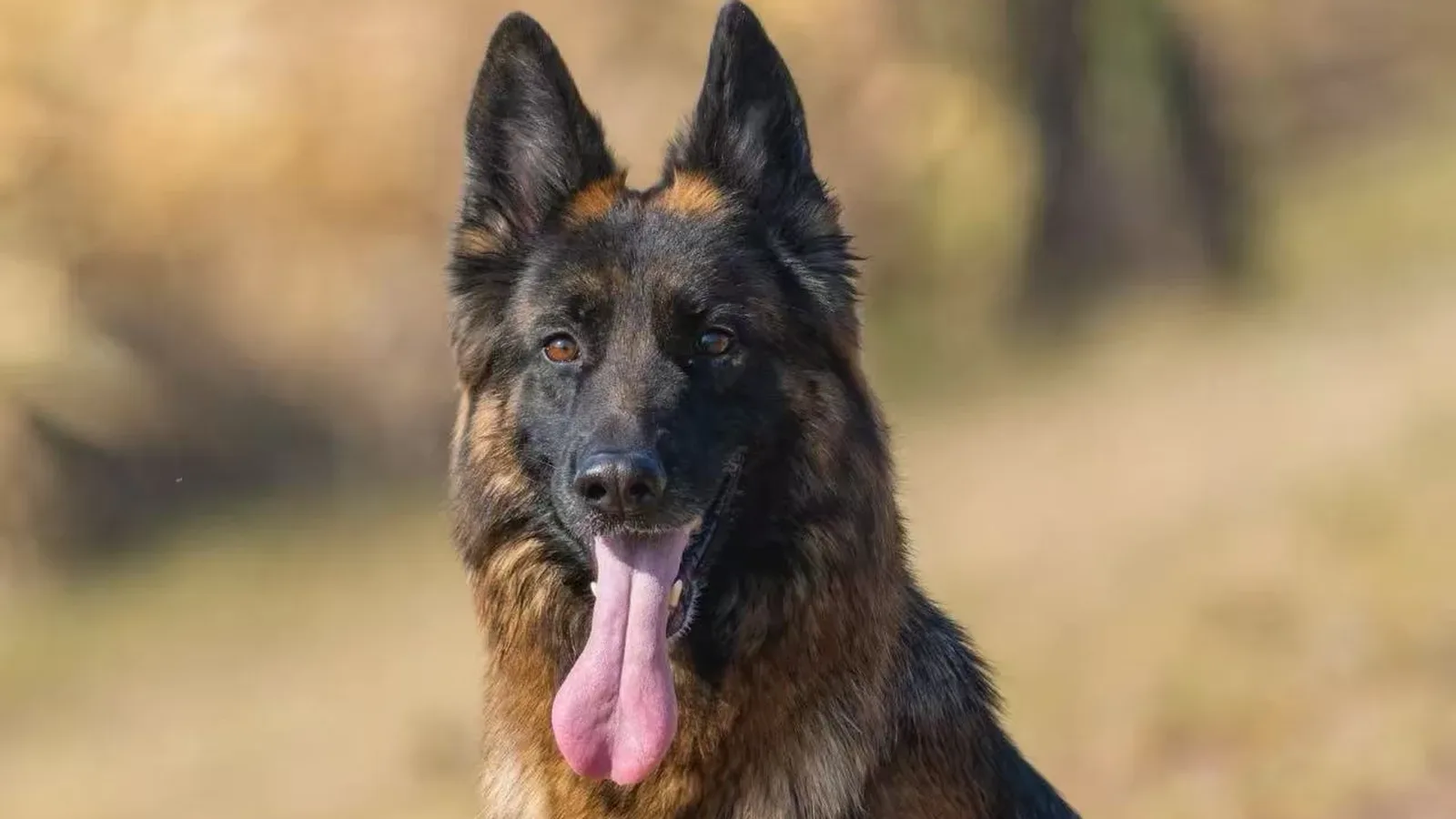
The typical German Shepherd lifespan is about 10 to 11 years. In a 2024 UK study of 584,734 dogs, German Shepherds had a median lifespan of 11.3 years, below the 12.0 years of mixed breeds, and a separate UK study of German Shepherds found a median of 10.3 years. A German Shepherd is a senior from about 8.5 years. The breed's biggest problem is the back end: the most common causes of death were musculoskeletal disorders (16.3%) and inability to stand (14.9%), driven by arthritis, hip and elbow dysplasia and degenerative myelopathy. Keeping a German Shepherd lean, strong and moving, and acting early on hind-leg weakness, gives it the best chance of a long life.
How long do German Shepherds live?
| Measure | German Shepherd | Mixed breed |
|---|---|---|
| Median lifespan, 2024 UK study (10,773 deaths) | 11.3 years | 12.0 years |
| Median lifespan, UK German Shepherd study | 10.3 years | |
| Life expectancy at birth, UK life tables | 10.16 years | 11.82 years |
| Senior from about (last 25% of lifespan) | 8.5 years | 9 years |
The median is the age by which half the dogs had died, so half lived longer. In the German Shepherd study, the middle half of dogs died between 8.0 and 12.1 years, and the oldest reached 17.
German Shepherd age in human years
| Dog's age | Life stage | Roughly like a person aged |
|---|---|---|
| 4 years | Mature adult | 28 |
| 5 years | Mature adult | 35 |
| 6 years | Mature adult | 42 |
| 7 years | Mature adult | 49 |
| 8 years | Mature adult | 56 |
| 9 years | Senior | 63 |
| 10 years | Senior | 70 |
| 11 years | Senior | 77 |
| 12 years | Senior, past the median | 84 |
| 13 years | Senior, past the median | 91 |
| 14 years | Senior, past the median | 98 |
This uses the share of the breed's typical lifespan a dog has lived, compared with US human life expectancy of 79 years. For puppies and young dogs, the DNA-based method in the calculator below is more accurate. A 9-year-old German Shepherd has lived about 80% of its breed's median lifespan, roughly like a person in their early 60s. Try any age in our dog age calculator:
Dog age calculator
Enter your dog's age and breed. Choose "Mixed breed" if you are not sure.
Human age (DNA method)
64
From age-related DNA changes in Labradors compared with people (Wang 2020). Least reliable for puppies under a few months.
Same point in a human life
53
Your dog has lived about 67% of the typical 12.0-year lifespan for this group. The same share of a 79.0-year US life expectancy is age 53.
Life stage
Mature adult
AAHA: from maturity until the last 25% of expected lifespan, about 9.0 years for this group.
Mixed breed (crossbreed): median lifespan 12.0 years (95% CI 12.0 to 12.1), senior from about 9.0 years.
Lifespans: UK study of 584,734 dogs (McMillan 2024). Life stages: AAHA. Every dog ages differently; health, weight and lifestyle all matter.
What German Shepherds die of
In the UK study of German Shepherds under veterinary care:
- Musculoskeletal disorders were the most common cause of death (16.3%)
- Inability to stand came next (14.9%)
Together, almost a third of German Shepherds died because their bodies, usually their back legs, gave out. The most common problems recorded in living dogs were ear infections (7.89%), osteoarthritis (5.54%), diarrhea (5.24%), overweight or obesity (5.18%) and aggression (4.76%).
Common German Shepherd health problems
Hip and elbow dysplasia and arthritis
German Shepherds are a large breed prone to hip and elbow dysplasia, which wear down into arthritis. Arthritis was among the most common problems recorded in the breed. See hip dysplasia treatment with and without surgery.
Degenerative myelopathy
Degenerative myelopathy is a progressive spinal cord disease that slowly paralyzes the back legs, and it was first described in German Shepherds. A mutation in the SOD1 gene is the main genetic risk factor. In a UK referral study, 8 of 50 young German Shepherds carried two copies of the mutation and 19 carried one, and among older German Shepherds brought in with wobbly back legs, 21 of 50 carried two copies, compared with none of 50 dogs without neurologic disease. A DNA test is available. See dog wheelchairs for back legs for how physiotherapy and mobility aids help.
Ear infections, gut problems and weight
Ear infections and diarrhea were the two most common non-joint problems in the breed. Weight matters too, because every extra kilogram loads already vulnerable hips.
How to help a German Shepherd live longer
- Keep it lean. In a lifelong study of Labradors, another large breed, dogs fed 25% less developed hip arthritis at a median age of 12 years instead of 6, and lived a median of 13.0 years versus 11.2. You should be able to feel the ribs easily.
- Build and keep muscle. Daily walks, swimming and controlled exercise keep the hips stable. Avoid repetitive jumping in young dogs.
- Watch the back legs. Scuffing nails, swaying hindquarters, slipping on floors or trouble rising are early signs. See old dog weak back legs.
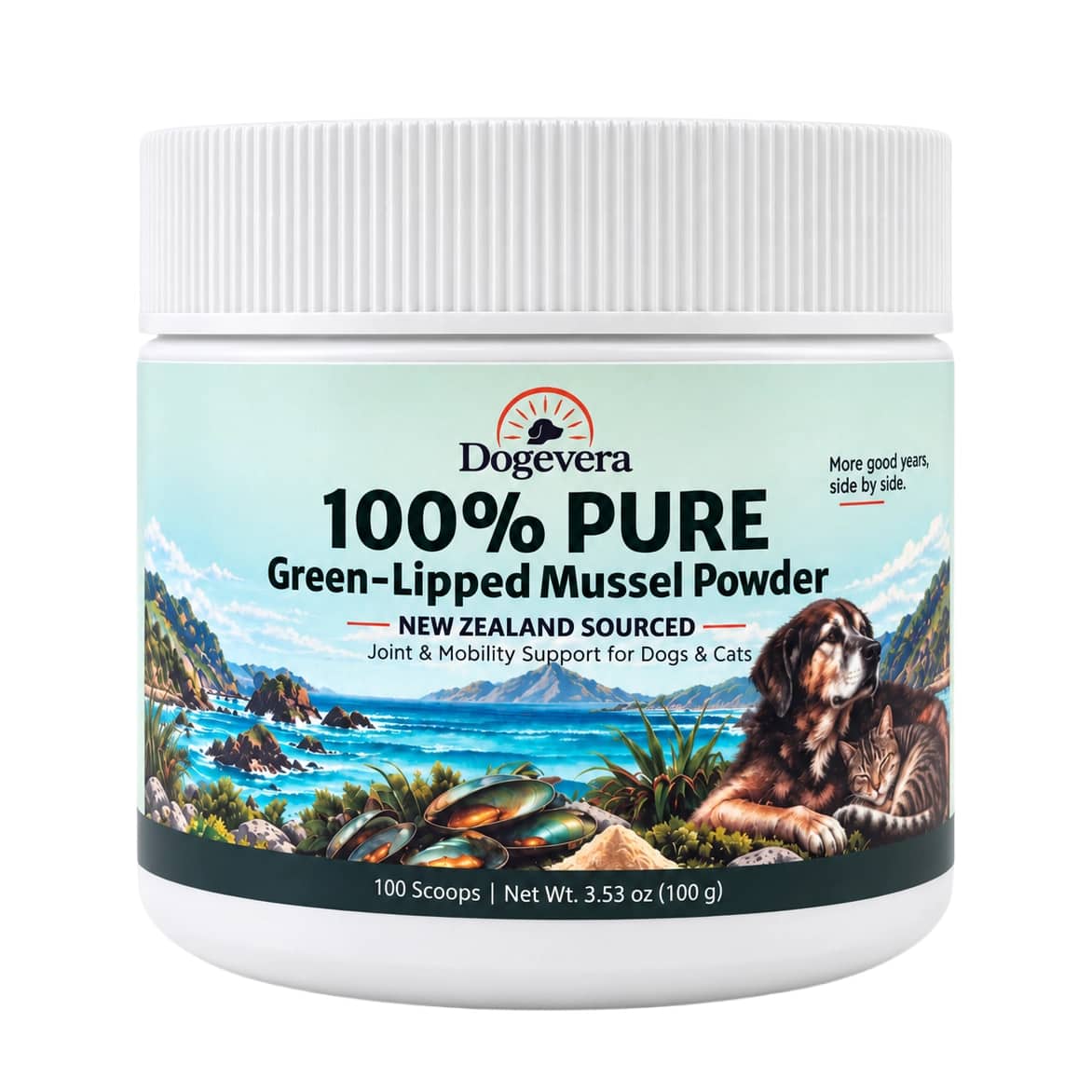
- Start joint support early. In a 2006 trial, 67% of dogs with joint disease improved on green-lipped mussel extract by day 56, against 41% on placebo. Our green-lipped mussel powder is a single-ingredient New Zealand green-lipped mussel topper. See best joint supplements for senior dogs.
- Non-slip floors and ramps at home, especially as your dog ages.
- Twice-yearly vet checks from about 8.5 years, when a German Shepherd becomes a senior.
FAQ
What health problems do German Shepherds have?
Hip and elbow dysplasia leading to arthritis, degenerative myelopathy, ear infections and diarrhea are among the most common. Keeping a German Shepherd lean protects its hips and elbows.
How long do German Shepherds live?
Most German Shepherds live about 10 to 11 years. A 2024 UK study of 584,734 dogs found a median lifespan of 11.3 years for the breed, and a UK study of German Shepherds found 10.3 years.
Is 10 old for a German Shepherd?
Yes. A German Shepherd is a senior from about 8.5 years, and at 10 it has lived about 88% of the breed's median lifespan, roughly like a person aged 70.
What do German Shepherds usually die from?
In UK veterinary records, the most common causes of death were musculoskeletal disorders (16.3%) and inability to stand (14.9%), reflecting arthritis, hip problems and degenerative myelopathy.
Do German Shepherds live shorter lives than other dogs?
Somewhat. Their median lifespan of 11.3 years in the 2024 UK study was below the 12.0 years of mixed breeds, and UK life tables gave a life expectancy at birth of 10.16 years, against 11.82 for crossbreds.
How can I help my German Shepherd live longer?
Keep it lean, keep it exercising, protect its joints from an early age, and see your vet promptly about any back-leg weakness. A DNA test for degenerative myelopathy can also help you plan.
References
- McMillan KM, et al. Longevity of companion dog breeds: those at risk from early death. Scientific Reports. 2024. PMID: 38302530
- O'Neill DG, et al. Demography and disorders of German Shepherd Dogs under primary veterinary care in the UK. Canine Genetics and Epidemiology. 2017. PMID: 28770095
- Teng KT, et al. Life tables of annual life expectancy and mortality for companion dogs in the United Kingdom. Scientific Reports. 2022. PMID: 35484374
- Holder AL, et al. A retrospective study of the prevalence of the canine degenerative myelopathy associated superoxide dismutase 1 mutation (SOD1:c.118G > A) in a referral population of German Shepherd dogs from the UK. Canine Genetics and Epidemiology. 2014. PMID: 26401327
- Kealy RD, et al. Effects of diet restriction on life span and age-related changes in dogs. Journal of the American Veterinary Medical Association. 2002. PMID: 11991408
- Smith GK, et al. Lifelong diet restriction and radiographic evidence of osteoarthritis of the hip joint in dogs. Journal of the American Veterinary Medical Association. 2006. PMID: 16948575
- Pollard B, et al. Clinical efficacy and tolerance of an extract of green-lipped mussel in dogs presumptively diagnosed with degenerative joint disease. New Zealand Veterinary Journal. 2006. PMID: 16751841
For individual health questions, your veterinarian remains the best partner.