TL;DR
Sudden stiffness in a senior dog warrants a same-day veterinary call. Note when it started, whether one or more legs are affected, and if your dog can bear weight. Keep them quiet and avoid stairs until a veterinarian examines them.
What sudden stiffness looks like
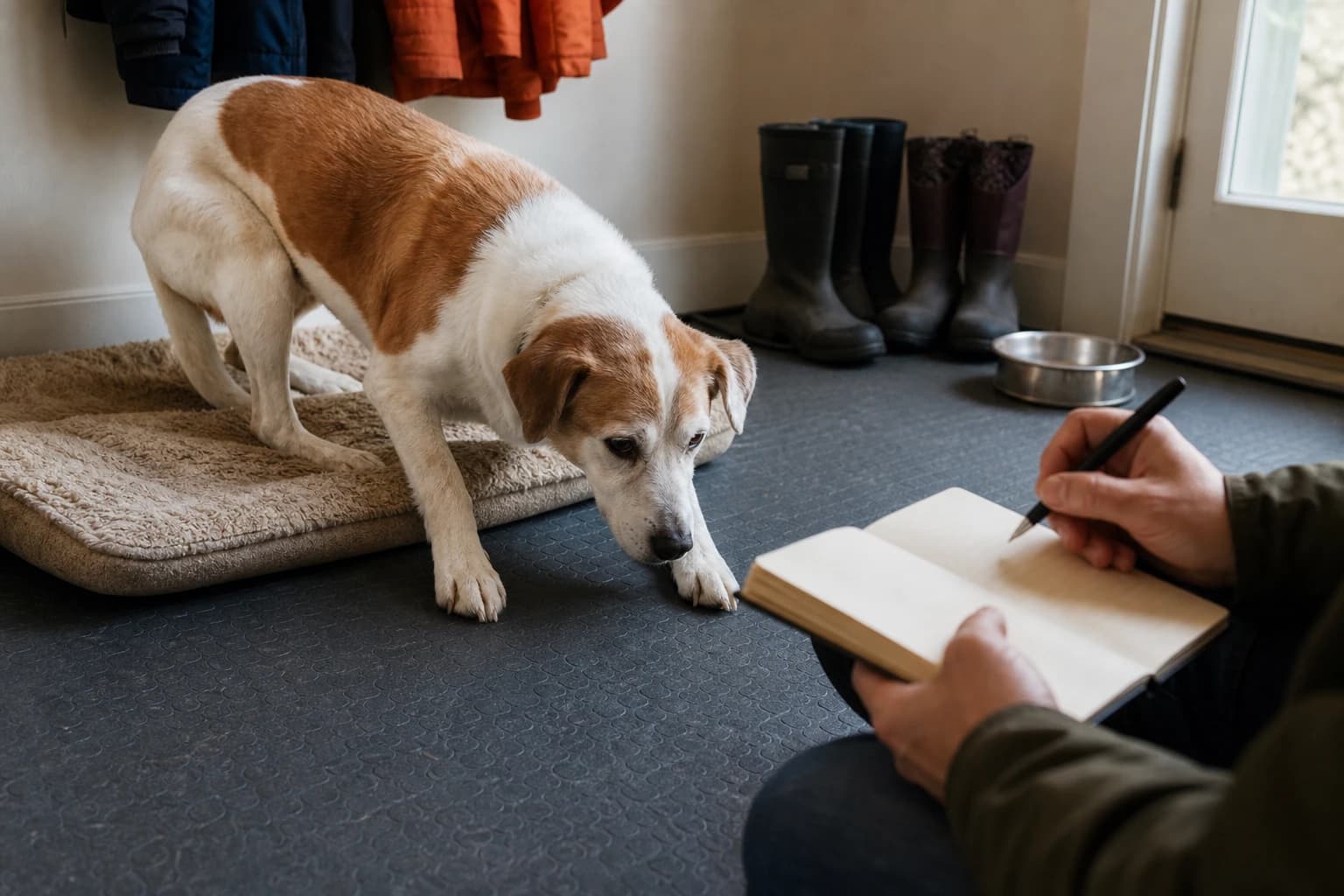
Your dog was moving normally yesterday. This morning, they stood up and one back leg stayed stiff, or they refused to put weight on a front paw. Sudden stiffness is not the gradual slowing you have noticed over months. It appears within hours or a day, and the change is clear enough that you can name the moment you first saw it.
Sudden stiffness can affect one leg or all four. Your dog may stand with a leg held up, take short steps on three legs, or move with a rigid, shuffling gait. They may also cry out when they shift position, refuse to climb into the car, or avoid lying down because getting up has become painful.
Why this is a veterinary question before anything else
Sudden stiffness has many possible causes: a soft-tissue injury, a torn ligament, a fracture, a disc problem, an infection, or a clotting disorder. Some of these need immediate treatment to prevent permanent damage. Pain relief, restricted movement, and sometimes imaging or blood work are part of the diagnostic process, and those decisions belong to a veterinarian.
A supplement, food change, or home remedy cannot address the underlying cause of sudden stiffness, and waiting to see if it resolves on its own can allow a treatable problem to worsen. If your dog suddenly cannot bear weight on a leg, cries when touched, or shows stiffness in the back legs along with loss of bowel or bladder control, call your veterinarian immediately or visit an emergency clinic.
What to observe and record before the appointment
Write down when the stiffness started, which leg or legs are affected, and whether your dog can bear any weight on the limb. Note if the stiffness is worse after rest or after activity, and whether your dog is eating, drinking, and eliminating normally.
Check for visible swelling, heat, or a wound on the affected leg. Try to remember any recent falls, jumps, rough play, or slips on a hard floor. If your dog has been on a new medication, supplement, or food in the past two weeks, write that down as well. These details help your veterinarian narrow the list of possibilities and decide what tests to run.
What to do while you wait
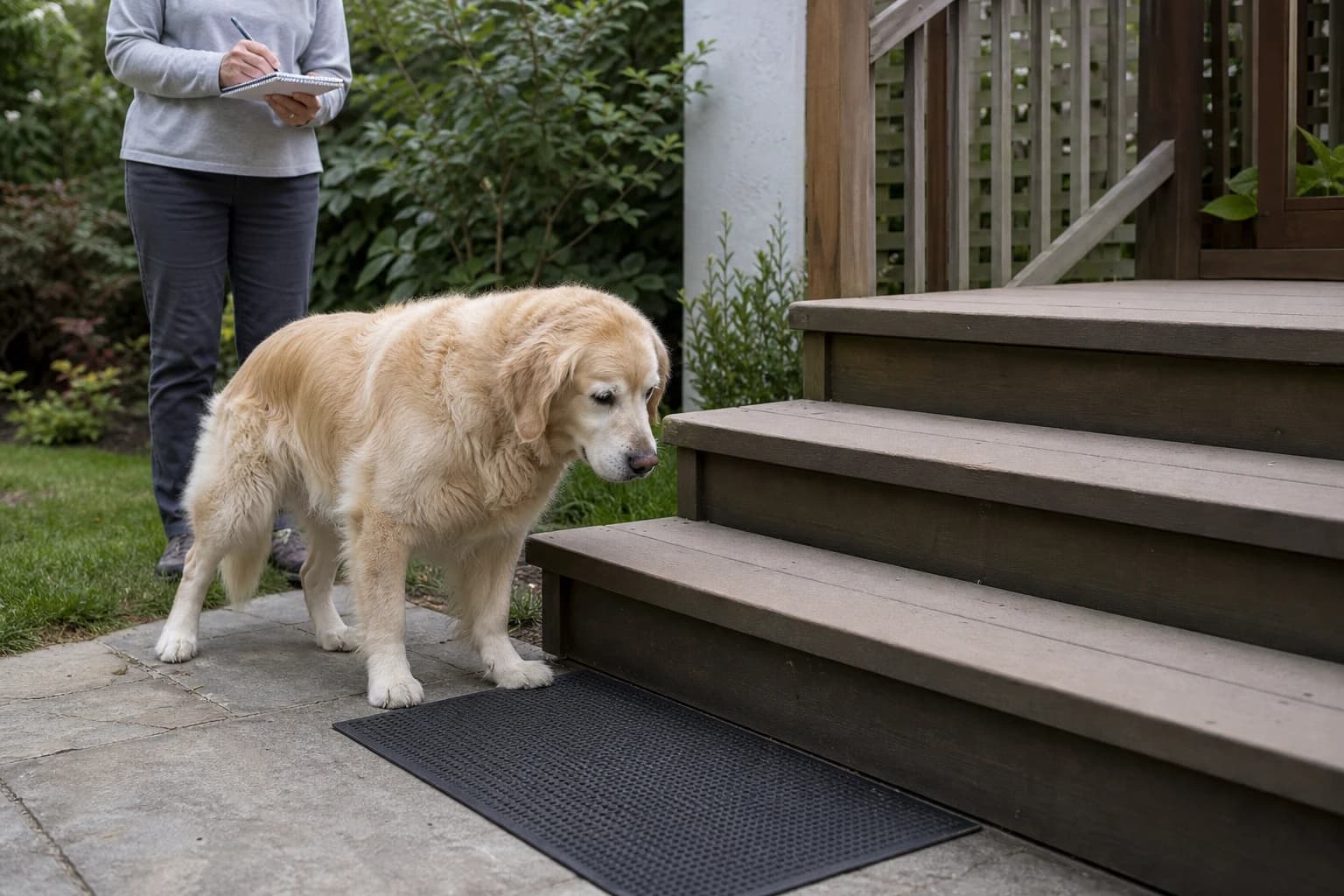
Keep your dog quiet and confined to a small space with a non-slip surface. Block off stairs, carry them outside if needed, and avoid any activity that requires jumping, running, or sudden changes in direction. If your dog is willing to eat, offer their regular food in small amounts.
Do not give human pain medication. Some drugs that are safe for people are toxic to dogs, and even dog-safe medications can interfere with the veterinary exam or planned treatments. If your dog is in obvious pain and the appointment is hours away, call the clinic and ask if they can see your dog sooner or if there is anything safe to give at home.
When gradual changes call for a different approach
If your dog has been slowing down over weeks or months, taking longer to get up after lying down, struggling with stairs, or falling behind on walks, that pattern is gradual rather than sudden. Gradual changes still deserve a veterinary exam, but they do not usually require the same urgency as a dog who was normal yesterday and cannot walk today.
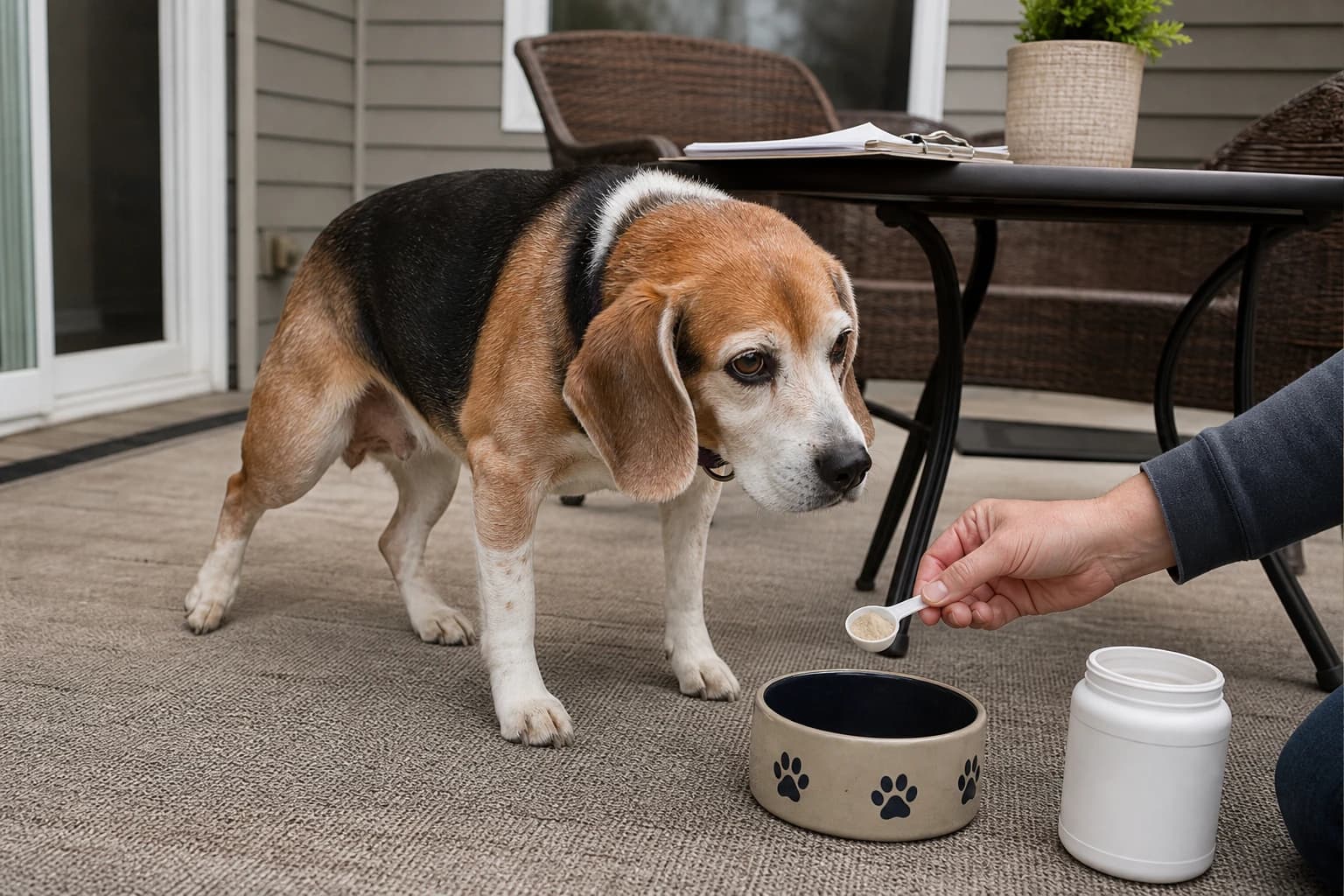
Gradual stiffness may be part of a chronic joint condition, and after a veterinary exam rules out acute injury or systemic disease, your veterinarian may discuss pain management, weight control, activity modification, and sometimes a supplement routine. But those conversations happen after a diagnosis, not before one.
FAQ
Can sudden stiffness go away on its own? Sometimes mild strains resolve with rest, but you cannot know the cause without a veterinary exam. Waiting to see if it improves risks missing a condition that needs prompt treatment.
Should I restrict food or water before the appointment? Offer water freely unless your veterinarian tells you otherwise. Ask the clinic whether they want your dog fasted in case sedation or anesthesia becomes necessary.
Is sudden stiffness always an emergency? If your dog cannot bear weight, cries when touched, or shows back-leg stiffness along with loss of bowel or bladder control, treat it as an emergency. For other cases, call your veterinarian the same day and follow their guidance.
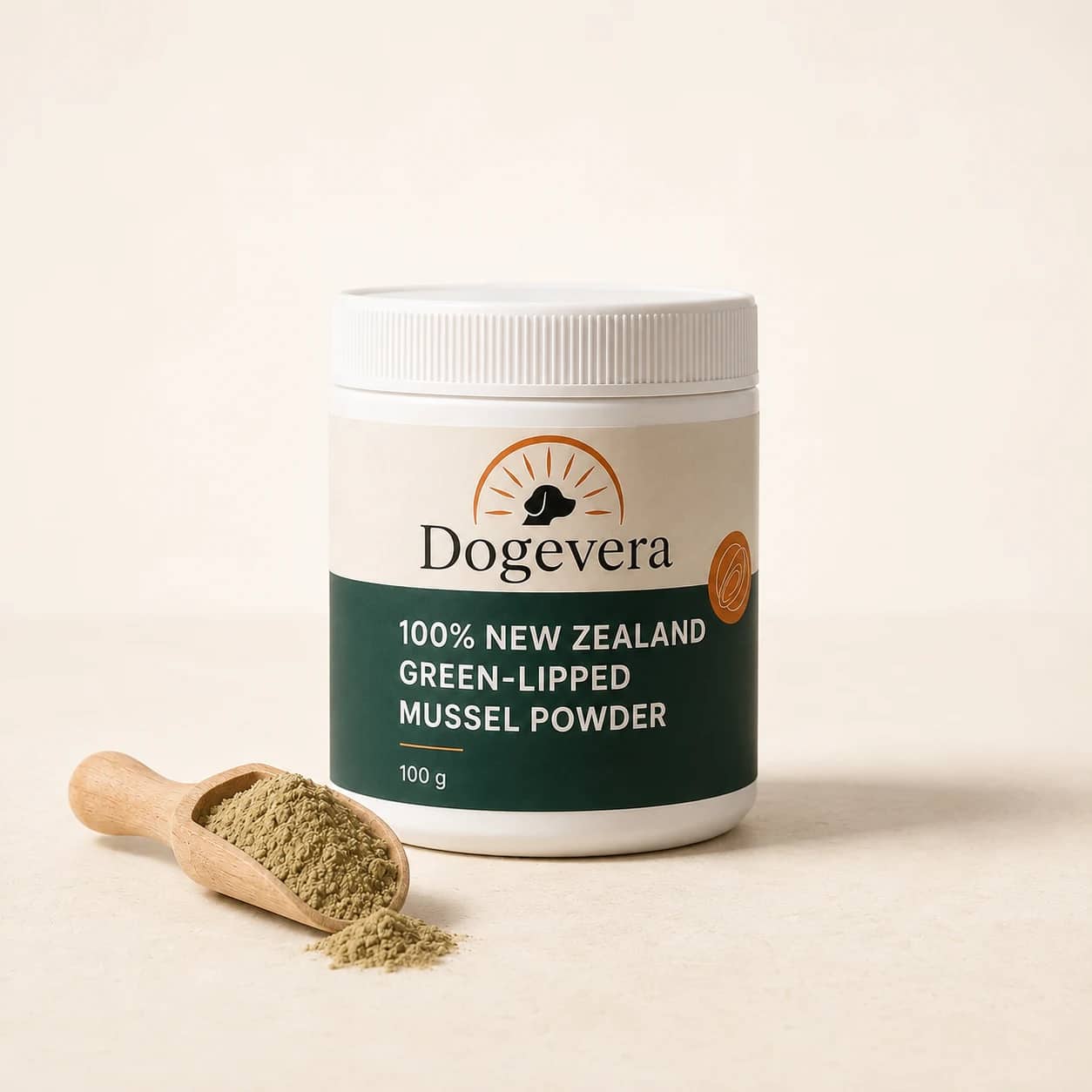
Can a supplement help if the vet says it is arthritis? If the exam reveals chronic joint disease rather than an acute injury, your veterinarian may discuss a management plan that includes pain relief, activity changes, and possibly a supplement. Green-lipped mussel has been studied in dogs with joint conditions, but a supplement is part of a plan, not a replacement for diagnosis or pain control.
For individual health questions, your veterinarian remains the best partner.