TL;DR
If you are wondering why a dog supplement smells fishy, start with the ingredient panel. Marine ingredients and seafood-based flavoring can give a powder or chew a noticeable ocean-like odor, while a mild savory smell may come from other animal-based ingredients or flavoring. A familiar smell that matches the label is different from an odor that has suddenly become sour, rancid, or unusually strong.
Why does a dog supplement smell fishy?
You open a new jar, lift the seal, and notice the smell before you see the powder. That can be surprising, especially if the front label does not emphasize seafood.
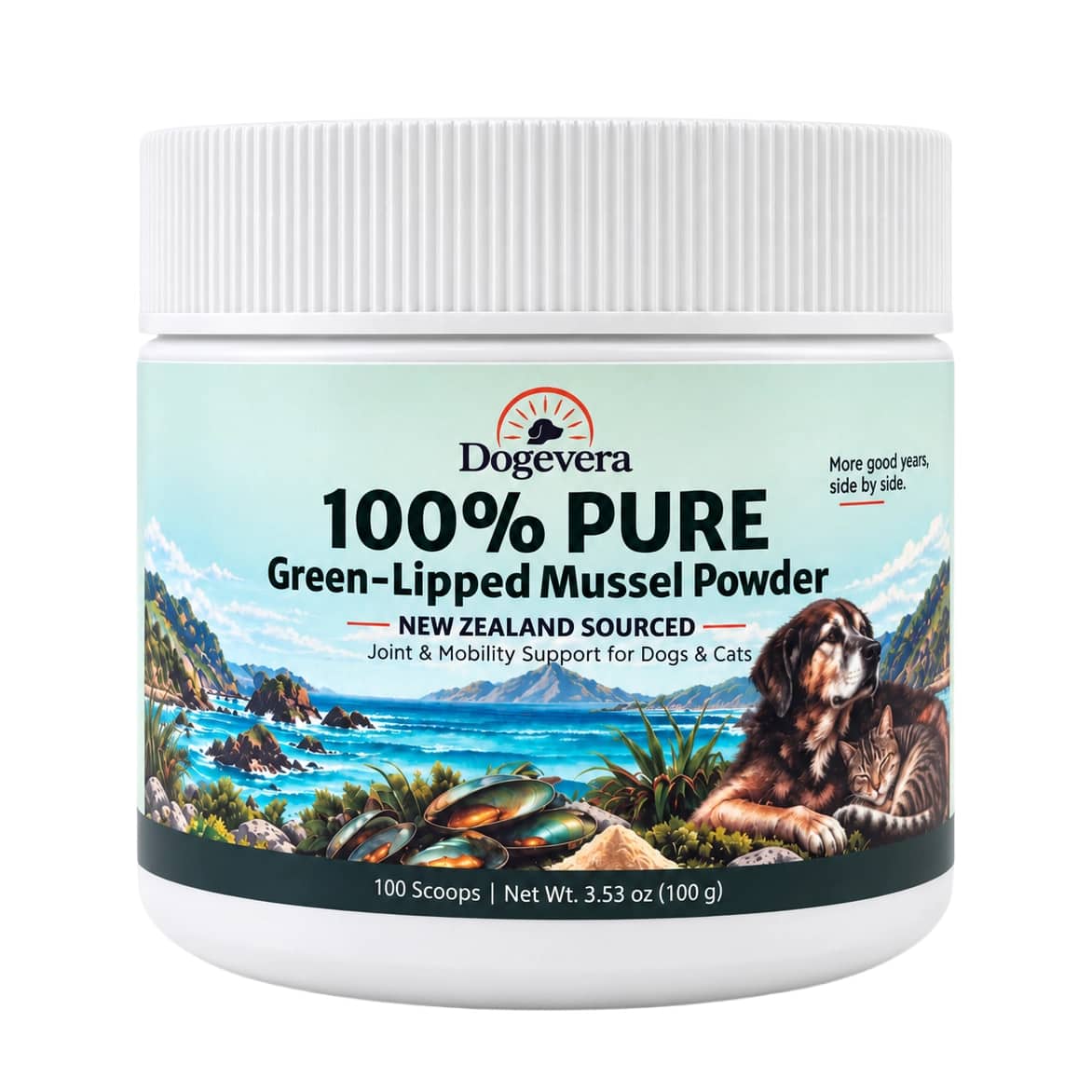
The most useful explanation is usually on the full ingredient panel. Look for clearly named marine ingredients, shellfish ingredients, fish-derived ingredients, algae, or seafood flavoring. A product such as New Zealand Green-Lipped Mussel Powder for Dogs has a marine ingredient in its name, so an ocean-like smell would be less unexpected than it would be in a supplement with no marine ingredients listed.
Do not rely only on the large words on the front of the container. The headline ingredient may describe the supplement’s purpose, while a flavor base or supporting ingredient contributes most of the smell. Reading the complete panel can also reveal chicken or shellfish that matters for a dog with known food sensitivities.
A mild savory smell is not always a fish smell
Smell descriptions are subjective. One person may call a powder fishy, while another describes the same jar as meaty, brothy, or simply savory. That difference matters because odor alone cannot identify an ingredient.
A mild savory smell suggests that something aromatic is present, but it does not tell you exactly what that ingredient is. Check for named flavorings and animal-derived ingredients rather than guessing from the odor. The ingredient panel is also the right place to look for less-prominent components, as explained in this guide to https://dogevera.com/blog/dog-supplement-allergens-chicken-and-shellfish-067415e0.
The smell also should not be treated as proof that a supplement is fresh, effective, spoiled, or appropriate for your dog. Those judgments require more than a sniff. Packaging condition, the date on the container, storage instructions, and changes since opening provide more useful context.
Is the smell normal or has the product changed?
Use a quick jar check before mixing the supplement into food:
- Match the smell to the label. A marine odor is easier to explain when fish, mussel, shellfish, algae, or seafood flavoring appears in the ingredients.
- Check the seal and container. Look for a broken inner seal, cracks, moisture, or residue around the lid.
- Read the date and storage directions. Follow the instructions on the package in your hands.
- Look at texture and color. Notice clumping, dampness, discoloration, or another change from when the jar was first opened.
- Compare the odor over time. A steady, expected odor is different from a sudden sour, rancid, fermented, or much stronger smell.
- Consider storage history. Heat, humidity, an incompletely closed lid, or a wet scoop can change what is in the container.
If the jar is new and the odor seems inconsistent with the ingredients, contact the manufacturer or retailer with the product name, lot information, and expiration or best-by date. If an opened product has changed noticeably, pause its use rather than trying to cover the smell with more food.
How do you introduce a strong-smelling powder?
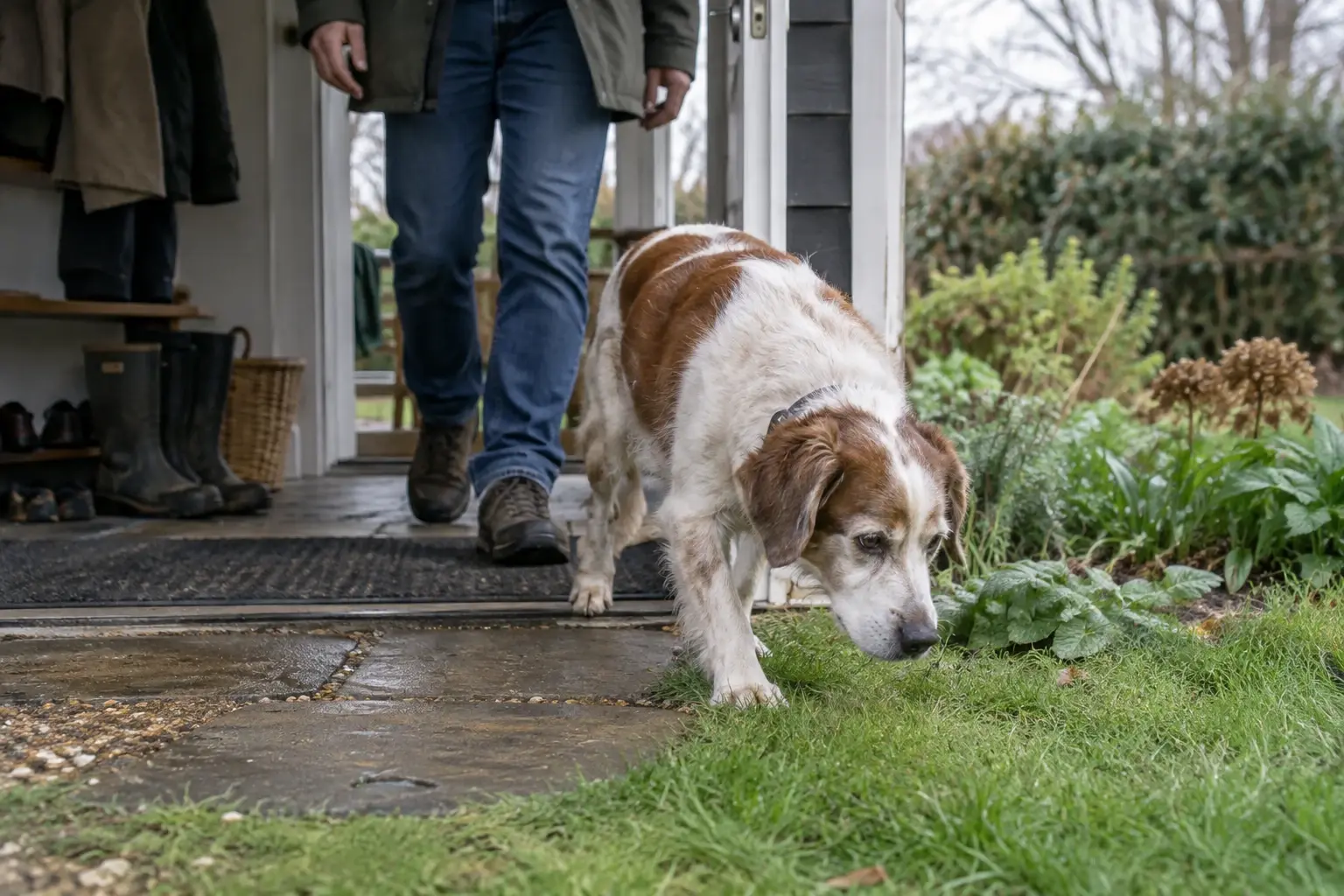
A dog may approach a familiar meal, sniff, and walk away when a strongly scented powder has been mixed through the entire bowl. That does not automatically show that the supplement caused a physical problem. The meal may simply smell unfamiliar.
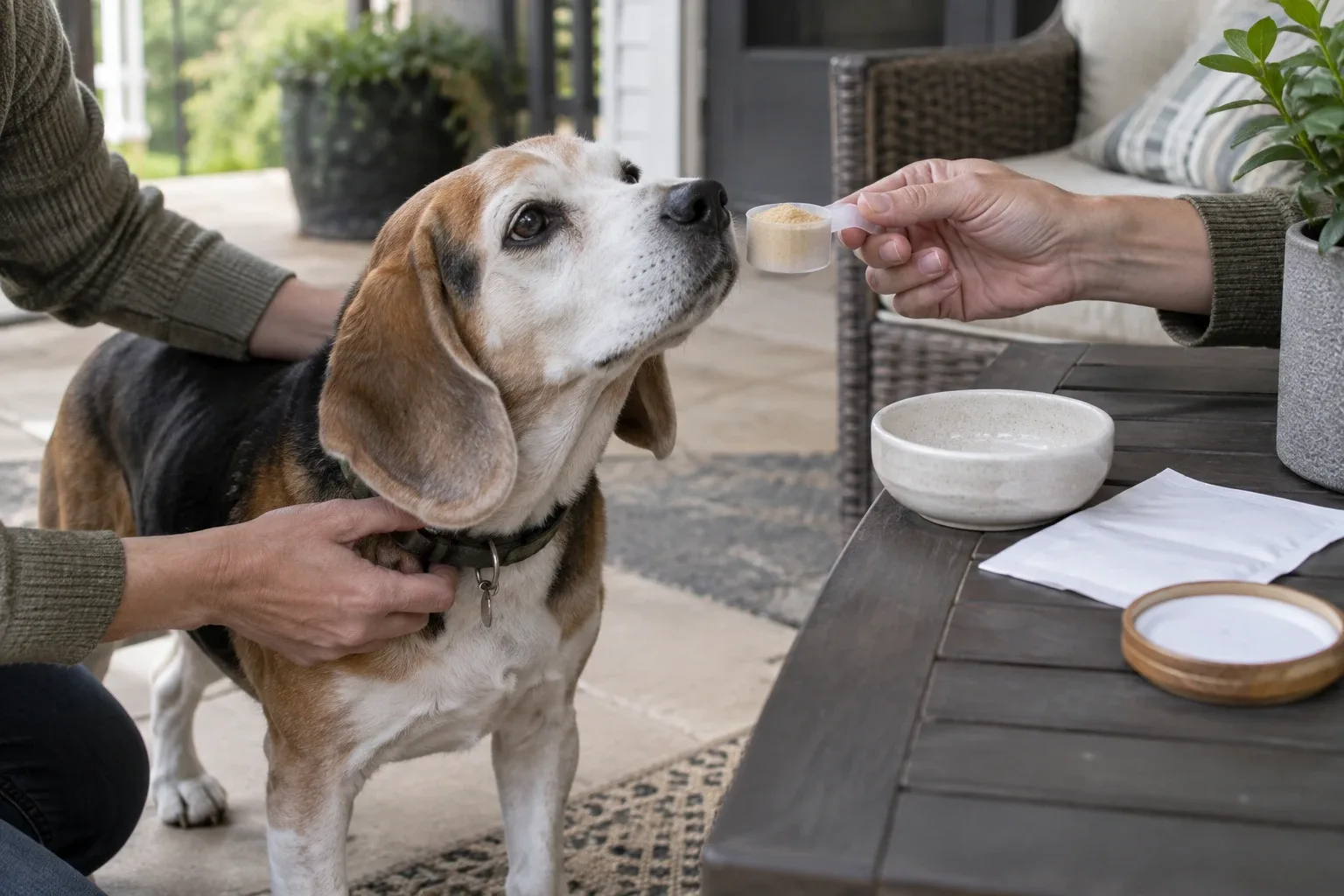
Start by following the serving directions on the final package. Mix the initial portion into a small amount of a familiar food your dog already tolerates, then offer the rest of the meal after that portion is finished. This makes it easier to see whether the supplement was actually eaten and avoids wasting a full bowl if your dog refuses it. The guide to https://dogevera.com/blog/dog-supplement-dosage-b9e32f7d expands on this feeding approach.
Keep other parts of the meal routine steady while introducing the new smell. Avoid adding several unfamiliar toppers at the same time, because that makes it harder to tell what your dog accepts. Do not exceed the package directions to compensate for powder left behind.
Try this repeatable observation process:
1. Note how the supplement smells when first opened. 2. Record whether your dog approaches, sniffs, eats, or leaves the food. 3. Check the bowl afterward for powder stuck to the sides or settled at the bottom. 4. Note appetite, stool, vomiting, scratching, swelling, energy, and behavior after the introduction. 5. Stop the product and contact your veterinarian if a concerning change appears.
A veterinarian should be contacted promptly for facial swelling, breathing difficulty, repeated vomiting, collapse, or another sudden severe change.
When should you stop serving it?
Do not serve a supplement merely because a marine odor seems explainable. Pause and investigate when the seal was damaged, moisture entered the jar, the date has passed, storage directions were not followed, or the product has changed in smell, appearance, or texture.
Your dog’s response matters too. Refusing one newly scented meal can reflect preference, but repeated refusal or a change in appetite deserves attention. Digestive changes after starting a product can be recorded using the practical steps in dog diarrhea after starting a supplement.
Keep the container and label if you need advice. The ingredient list, lot code, date, serving instructions, and storage history are more useful than describing the product only as “fishy.”
FAQ
Does a fishy smell mean the supplement is spoiled?
Not by itself. The odor may match a marine ingredient or flavoring. A broken seal, moisture, an expired date, or a new sour, rancid, or unusually intense odor gives you a stronger reason to stop and investigate.
Can I hide the smell in my dog’s food?
You can mix the label-directed portion into a small amount of familiar food your dog tolerates. Avoid disguising a product that appears damaged or has changed since opening.
What if no fish ingredient appears on the label?
Read the complete ingredient panel for shellfish, mussel, algae, animal-based flavoring, or another aromatic component. If the odor still seems inconsistent with the label, contact the manufacturer with the lot and date information before serving it.
Related reading
- Green Lipped Mussel Powder Smell: What Variation Means
- Dog Supplement Ingredient Sourcing: Read the Label
References
- Effect of a diet enriched with green-lipped mussel on pain behavior and functioning in dogs with clinical osteoarthritis. Canadian journal of veterinary research = Revue canadienne de recherche veterinaire. 2013. PMID: 23814358.
- Evaluation of the effects of dietary supplementation with fish oil omega-3 fatty acids on weight bearing in dogs with osteoarthritis. Journal of the American Veterinary Medical Association. 2010. PMID: 20043801. DOI: 10.2460/javma.236.1.67.
For individual health questions, your veterinarian remains the best partner.