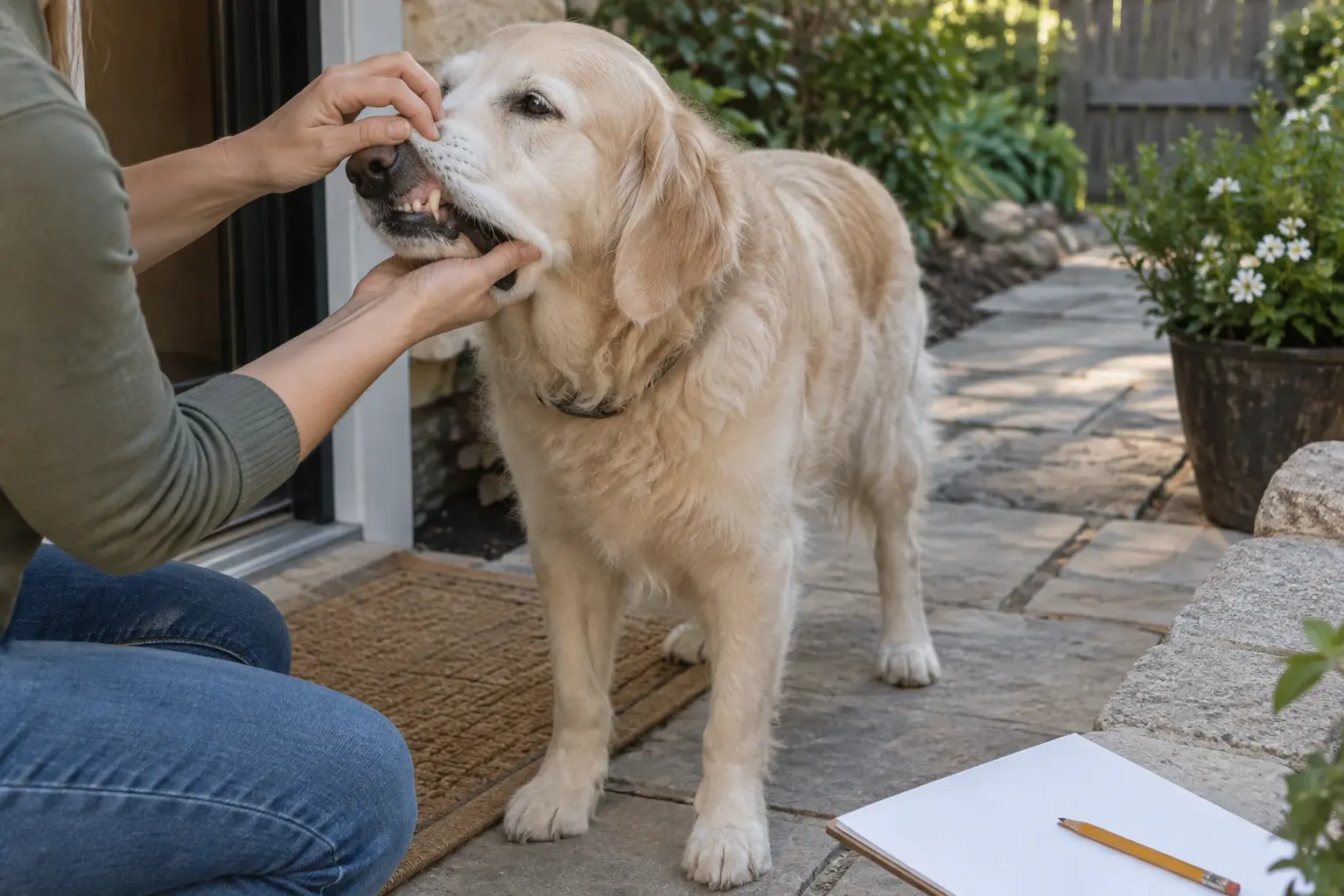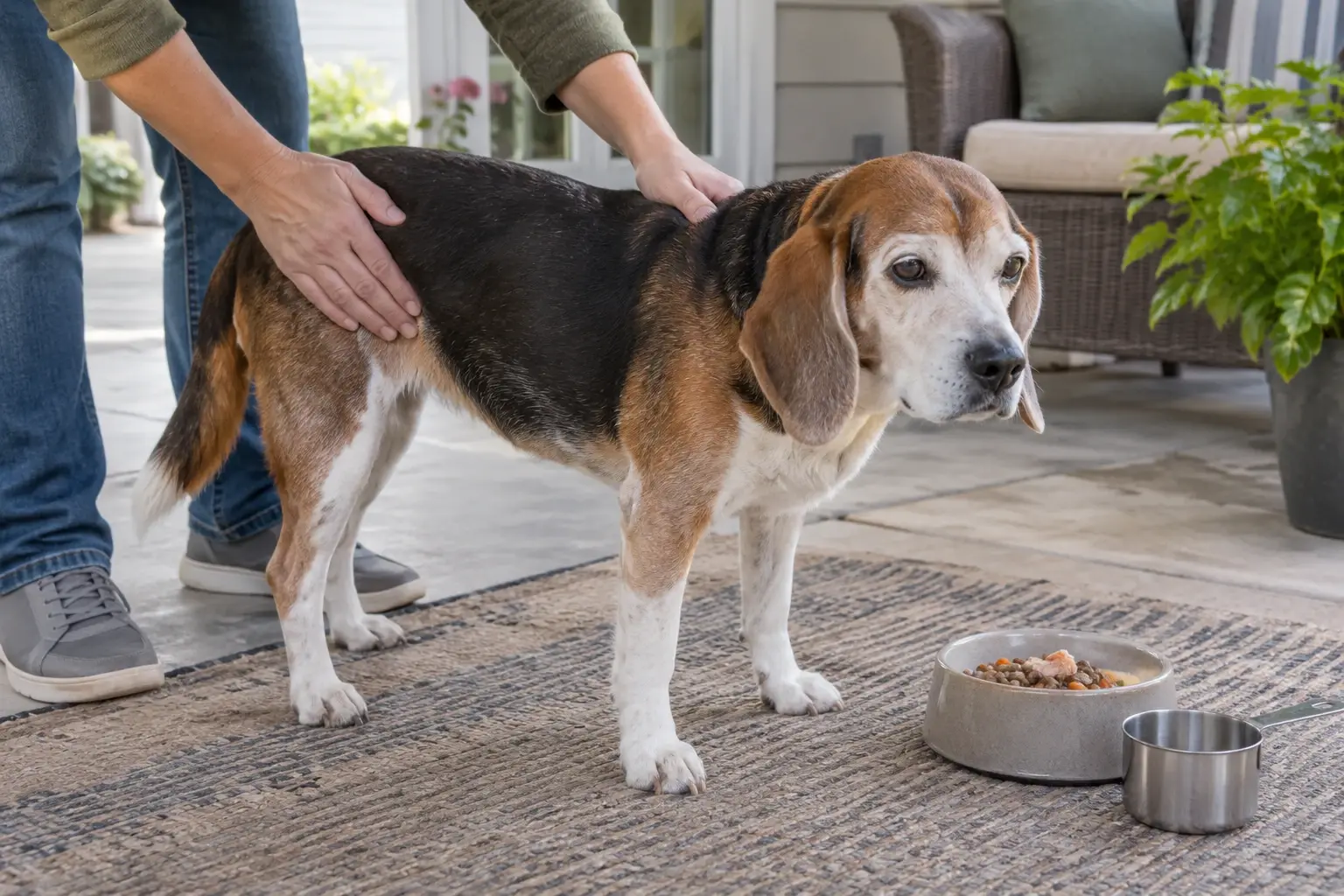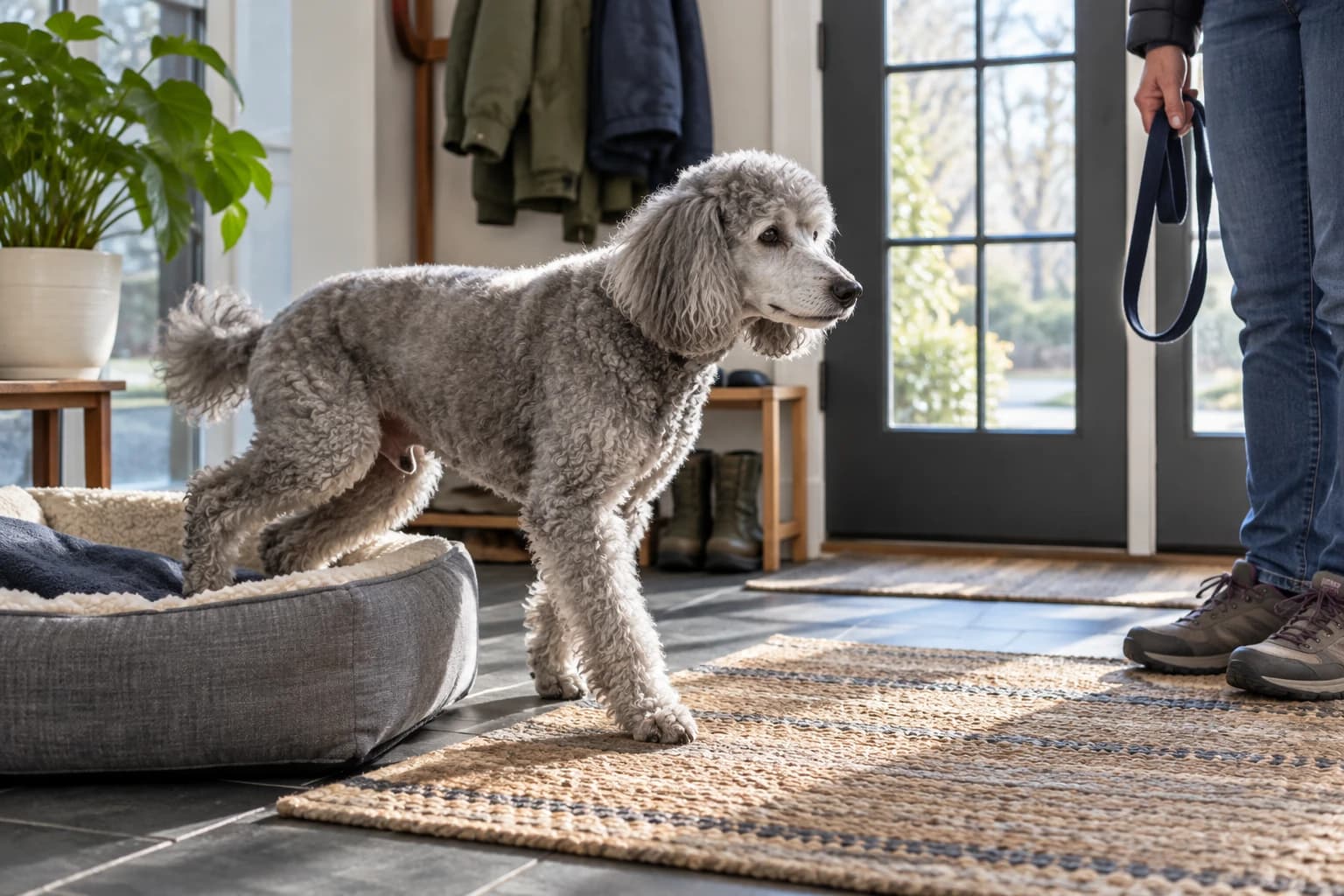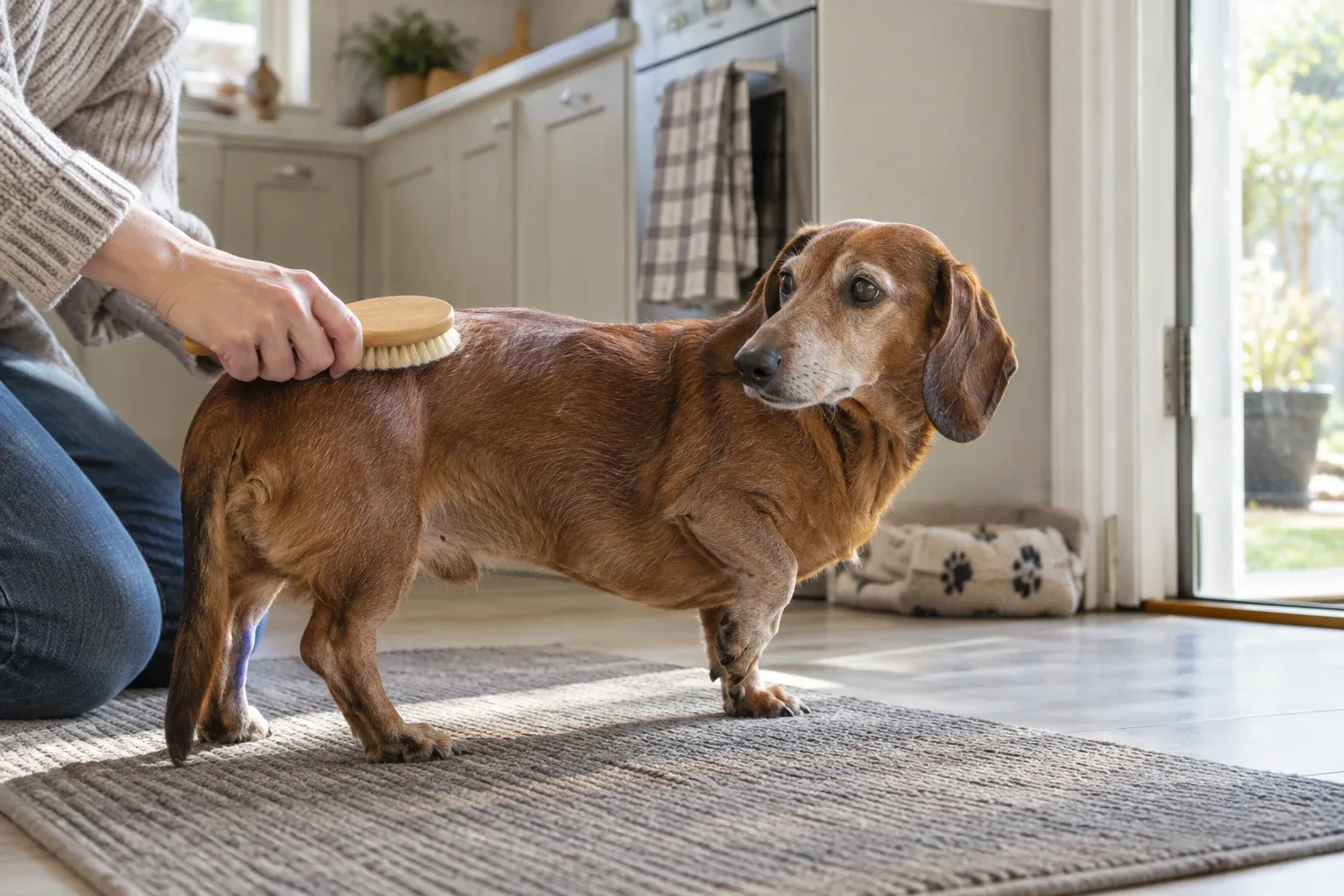
Your senior dog may still trot toward the leash, then turn back sooner than before. For senior dog exercise, let comfort set the pace: offer familiar, easy activity, watch how your dog moves during and afterward, and adjust rather than pushing to meet a fixed duration. Supplements are a separate choice, not a substitute for a suitable routine or an individualized plan.
Start with activity your dog chooses
Keep outings and play familiar and manageable. Let your dog pause, turn back or rest. Avoid encouraging a longer walk, faster pace or more demanding movement just because an older routine used to be easy.
Choose a route with even, secure footing where possible. At home, make space for gentle movement without asking your dog to jump, climb or navigate a slippery floor. For broader home adjustments, see the senior dog-friendly home checklist.
Senior dog exercise: use a simple observation loop
Keep a short note after activity. The goal is to spot changes, not to test your dog’s limits.
- Before: Note whether your dog gets up and approaches the leash as usual, or hesitates or seems less willing to move.
- During: Watch pace, willingness to continue, pauses and footing. Turn back if your dog slows, stops or appears uncomfortable.
- After: Notice whether your dog settles into the usual routine or seems different in movement or rest.
- Next time: Keep the activity similar if your dog seemed comfortable; make it easier if you noticed a change.
Record what happened and where. If a new movement difficulty appears, do not repeat the activity to see whether it happens again. The guide to recording sudden stiffness explains what details can be useful to share.
Compare an activity plan with supplement expectations
- Owner-paced activity: Gives you a practical way to offer movement, adjust the route and observe comfort. It should not be forced or treated as a therapy prescription.
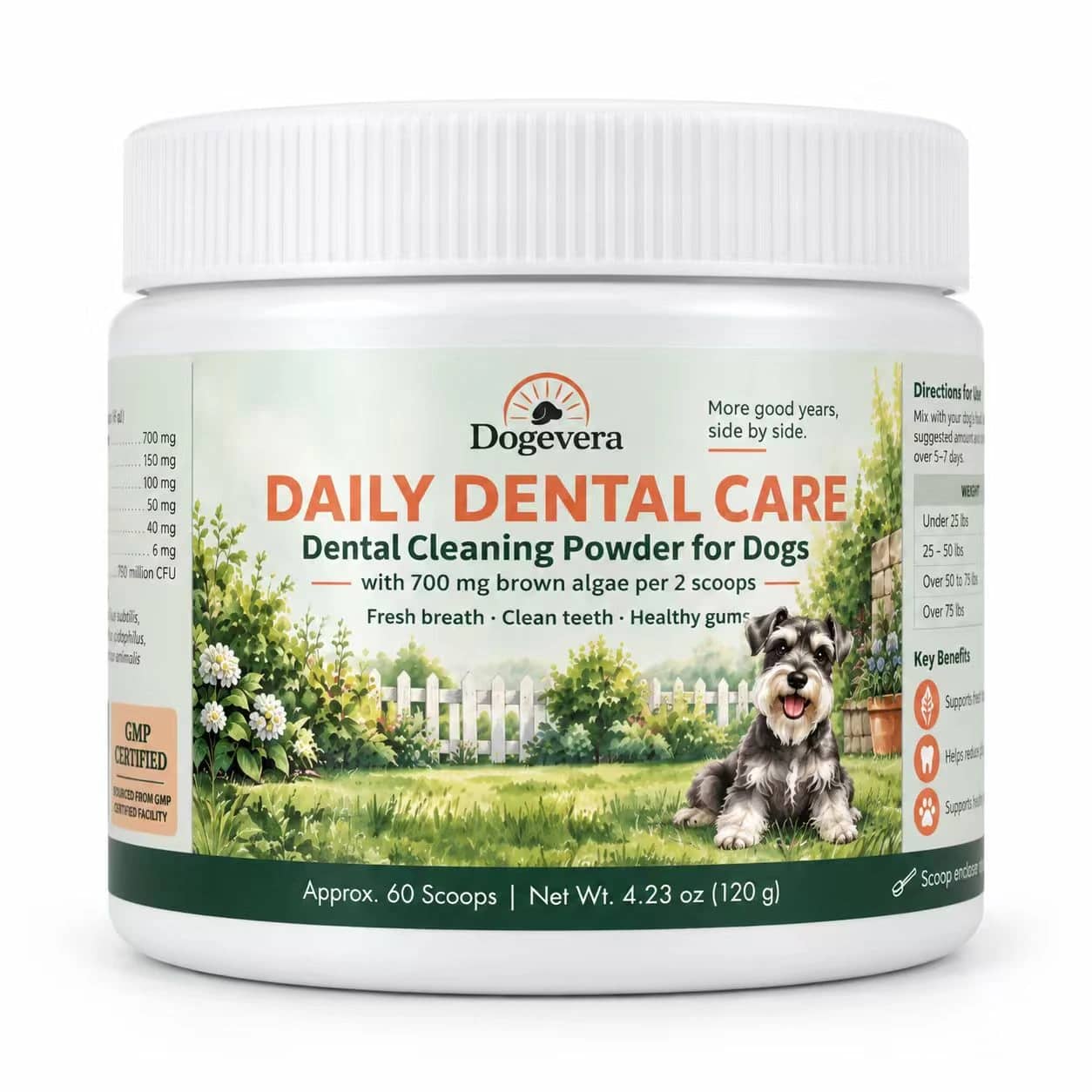
- A supplement: Is a product decision with its own ingredients, label directions and evidence limits. Do not assume a supplement will make a demanding routine comfortable or that products with similar claims are interchangeable.
- An individualized plan: Is a discussion about what fits your dog, rather than a universal schedule. Bring your notes and the exact product label if you are considering a supplement. The older-dog supplement buying guide can help you compare a product’s stated purpose with its label and evidence.
Choose the setting that makes movement easier
Prefer familiar routes and surfaces that give your dog secure footing. Keep the path clear at home, and provide an easy way to reach a comfortable resting place. Skip stairs, jumps or uneven ground when they make your dog hesitate or seem less steady. Practical home access changes are covered in the senior dog care guide.
When to pause and ask for help
Stop the activity if your dog develops a new difficulty moving, becomes unusually unwilling to continue or does not return to their usual routine afterward. Write down what you noticed and contact your veterinarian to discuss it. Seek prompt professional care for an emergency symptom.
FAQ
Should I keep walking if my senior dog slows down?
Turn back or pause rather than urging your dog to keep pace. Note what changed and choose an easier activity next time.
Can a supplement replace senior dog exercise?
A supplement is not an activity plan. Consider its label and evidence separately, and discuss an individualized routine and any product questions with your veterinarian.
Is there one right exercise duration for every senior dog?
There is no fixed duration offered here. Use your dog’s comfort and recovery observations to guide the routine, and ask about a plan suited to your dog.
Related reading
For individual health questions, your veterinarian remains the best partner.