TL;DR
The most common signs of cancer in dogs are a new or growing lump, weight loss you cannot explain, loss of appetite, a sore that will not heal, bleeding or discharge, a bad smell, trouble eating or breathing, lameness, and low energy. None of these proves cancer, but any of them that lasts more than a week or two needs a vet check. A lump should never be judged by looking or feeling: a quick needle sample (fine-needle aspirate) gave the right answer for 90.9% of lumps in one study. Cancer is a leading cause of death in dogs, especially in some breeds: in UK vet records it was the top recorded cause of death in Rottweilers (33.0% of deaths) and Beagles (19.3%), and in a US study 65% of Golden Retrievers died of cancer. Our founder Morty's pug had a 5 cm tumor removed from its leg at 9 and was walking the next day.
10 warning signs of cancer in dogs
| Sign | What to look for |
|---|---|
| 1. A lump or swelling | Any new lump, or one that grows, changes shape, becomes red or ulcerates |
| 2. Weight loss | Losing weight without a diet change |
| 3. Poor appetite | Eating less, or eating slowly, for more than a few days |
| 4. Sores that do not heal | A wound or scab that persists for weeks |
| 5. Bleeding or discharge | From the mouth, nose, rectum, vulva or a lump |
| 6. Bad smell | A new, strong odor, often from the mouth, ears or a lump |
| 7. Trouble eating or swallowing | Dropping food, chewing on one side, drooling |
| 8. Lameness or stiffness | Limping that does not improve, or a swelling on a bone |
| 9. Breathing, urination or bowel changes | Coughing, straining, blood in urine or stool |
| 10. Low energy | Less interest in walks and play, sleeping more |
Many of these overlap with ordinary ageing, which is exactly why cancer is often found late. The difference is persistence: a sign that does not go away, or keeps getting worse, needs checking.
Emergency signs
Some cancers, especially hemangiosarcoma (a cancer of blood vessels in the spleen or heart), show no signs until a tumor bleeds. Sudden weakness, pale gums, a swollen belly or collapse is an emergency. In the Golden Retriever Lifetime Study, one-year survival for internal hemangiosarcoma was only 1.42%.
Which dogs get cancer most?
Cancer becomes more common with age, and some breeds carry far more risk than others.
| Breed | Cancer as a cause of death | Source |
|---|---|---|
| Golden Retriever | 65.0% of deaths | US teaching hospital, 652 dogs |
| Rottweiler | 33.0% of deaths, the top cause | UK vet records |
| Beagle | 19.3% of deaths, the top cause | UK vet records |
| Boxer | 12.4% of deaths | UK vet records |
| Giant breeds as a group | 12.4% of deaths, the top cause | UK vet records, 29 breeds |
| English Cocker Spaniel | 9.3% of deaths, the top cause | UK vet records |
A small-animal vet Morty has known for years, who asked us not to use their name, puts Goldens at the top of the list: "Of all the breeds we treat, Golden Retrievers are the most likely to get tumors. Regular health checks are a must." See Golden Retriever lifespan.
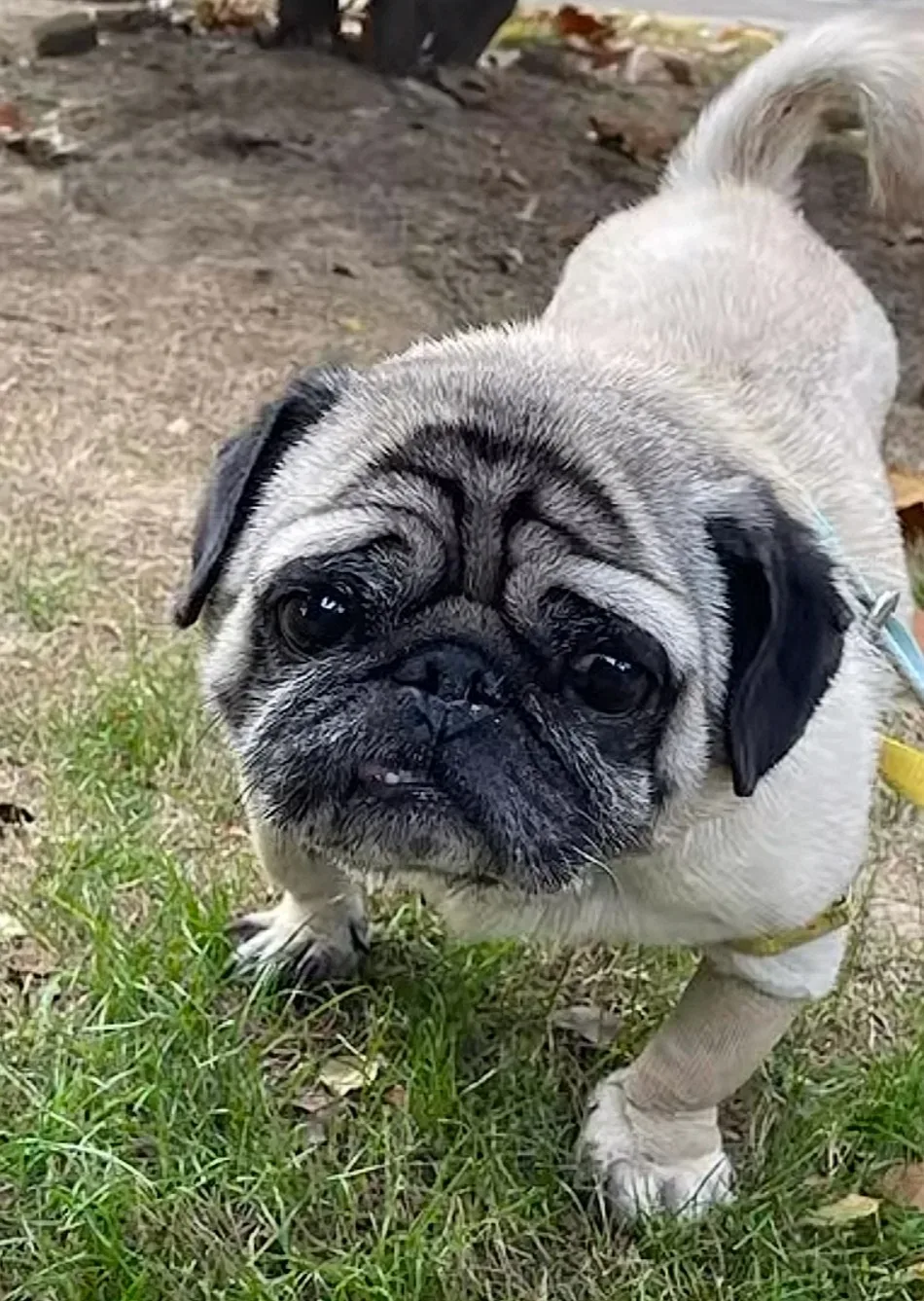
Morty's pug: a 5 cm tumor, removed
When one of Morty's pugs was a little over 9 years old, a tumor grew on its right leg. By the time it was removed it was about 5 cm across. The vet removed it surgically, the pug went on an IV drip, and the next day it was walking normally, just slowly, on a short trip outside for fresh air. About three days later, at a routine dressing change, the wound was healing well.
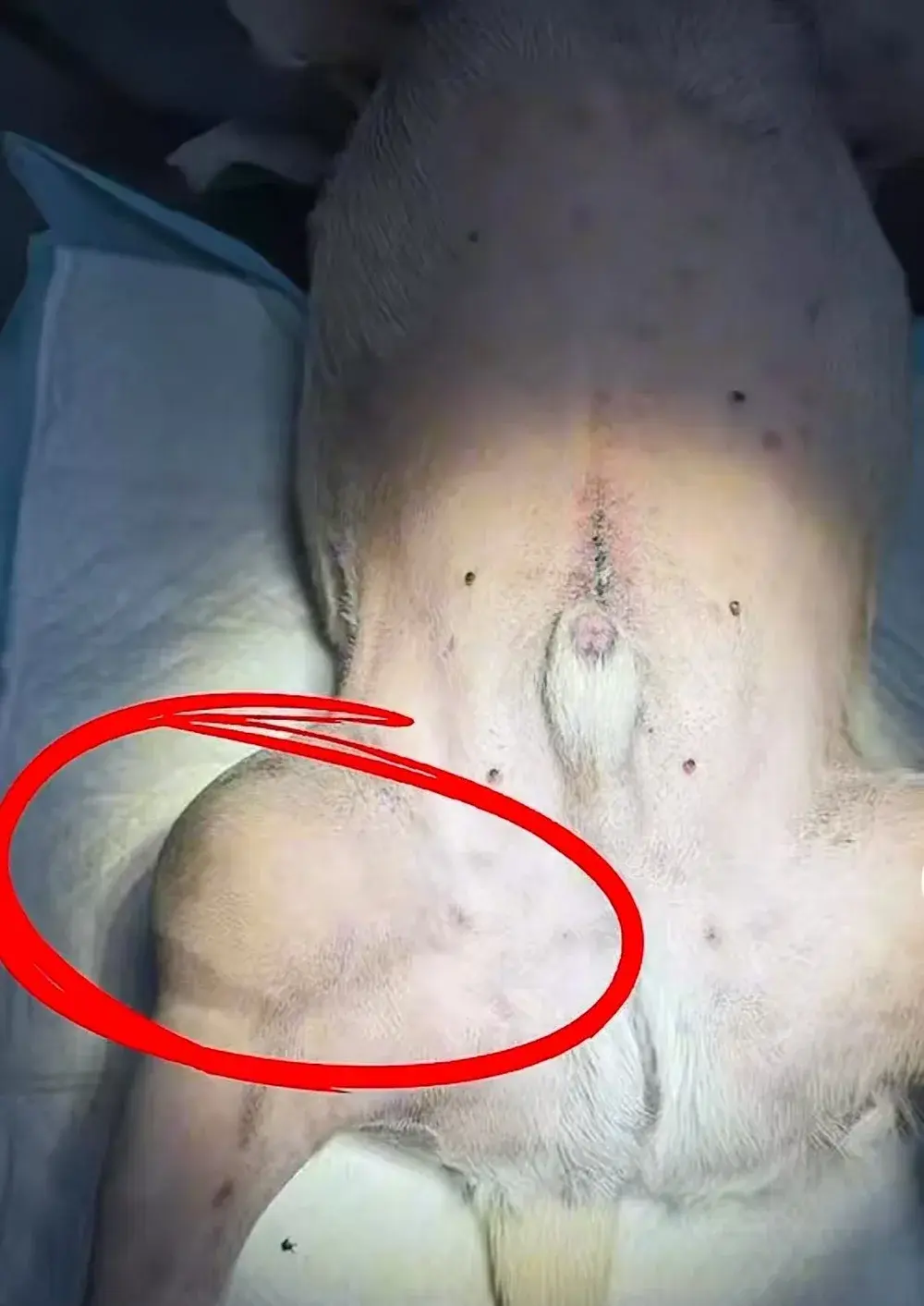
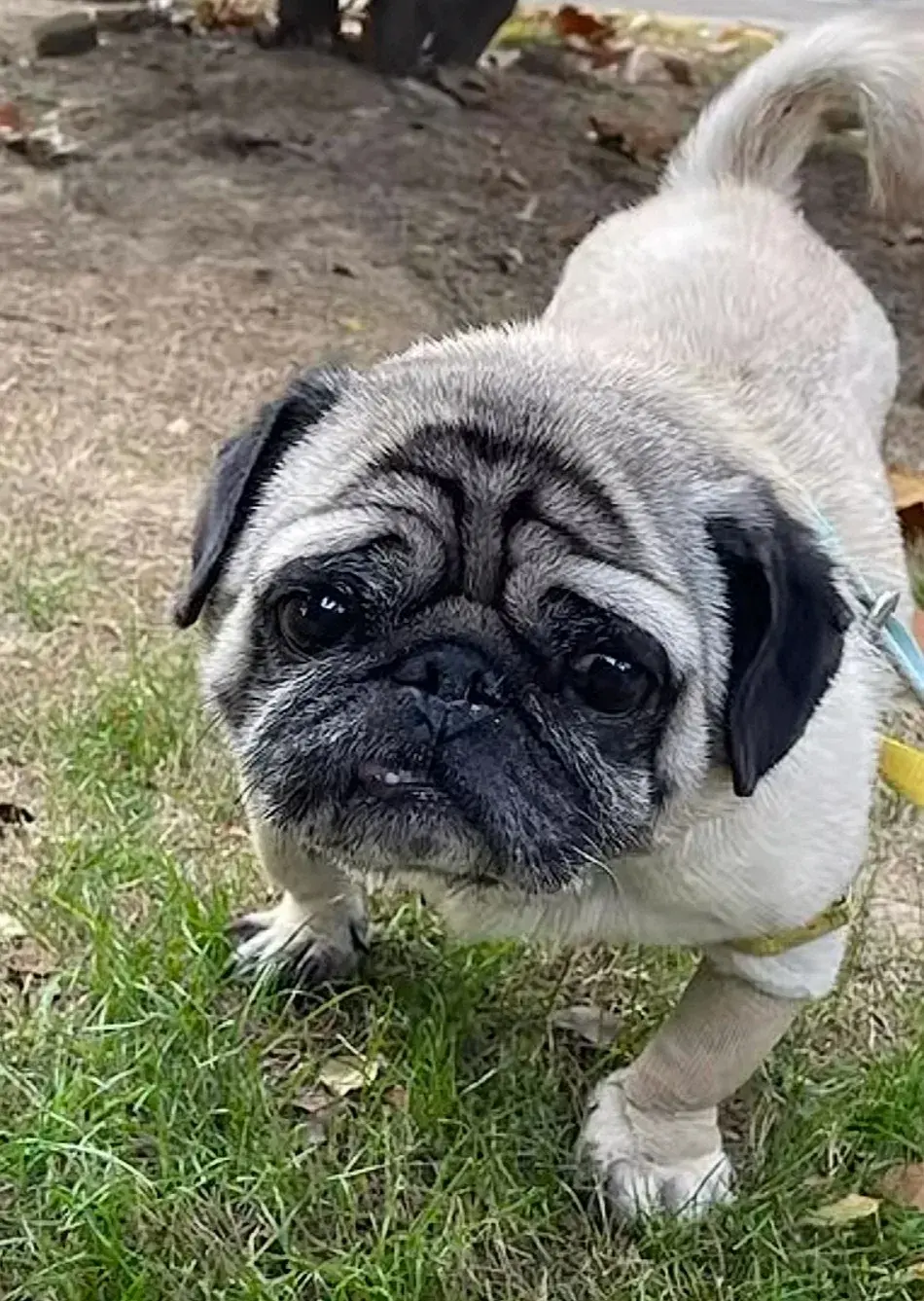
The lesson Morty takes from it: a lump found when it is small is easier to remove. Check your dog from nose to tail once a month. The full story, with photos of the surgery and healing, is in skin tags and lumps on dogs.
How vets check for cancer
Needle sample of a lump
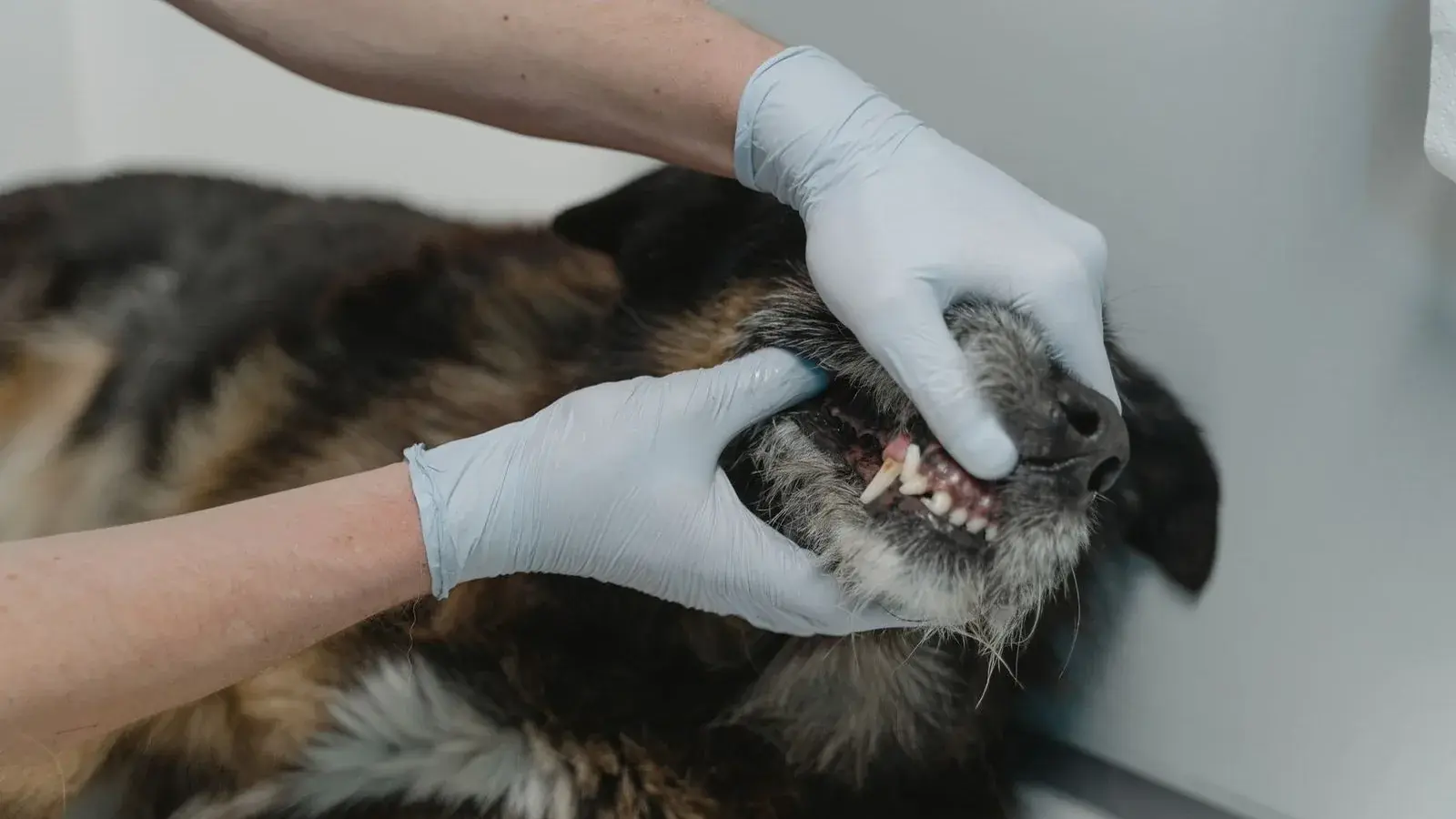
A fine-needle aspirate takes cells from a lump with a thin needle, usually without sedation, and the result often comes back the same day or within a few days. In a study of 243 lumps from dogs and cats:
- The needle result matched the full biopsy in 90.9% of cases.
- When it said "cancer", it was right 99.4% of the time.
- When it said "not cancer", it was right only 68.7% of the time.
So a "cancer" result is very reliable, but a "benign" result is not the final word. If a lump keeps growing after a benign result, ask for a biopsy. For soft, movable lumps that are often harmless, see fatty lumps on dogs.
Blood, scans and biopsy
Depending on the sign, your vet may suggest blood tests, X-rays, an ultrasound of the belly or a biopsy. Older dogs benefit from blood tests at every senior check even when they seem well.
Cancer screening blood tests
Newer "liquid biopsy" tests look for cancer DNA in a blood sample. In a validation study of 1,100 dogs:
- The test found 54.7% of cancers overall, and 85.4% of three of the most aggressive cancers (lymphoma, hemangiosarcoma and osteosarcoma).
- False alarms were rare: 98.5% of cancer-free dogs tested negative.
It can be a useful extra screen for high-risk breeds, but a negative result does not rule cancer out. Ask your vet whether it suits your dog.
What you can do
- Monthly nose-to-tail check. Run your hands over the whole body, including the belly, legs, armpits and mouth. Note any lump with its size and location, and photograph it next to a coin.
- Weigh your dog monthly. Unexplained weight loss is one of the earliest signs.
- Get every new lump sampled, and re-check any lump that grows.
- Twice-yearly vet checks for seniors, including blood tests.
- Know your breed's risks. See our breed lifespan guides.
- Keep your dog lean. Extra weight raises the risk of many diseases and makes surgery and recovery harder. See senior dog food for weight loss.
FAQ
What are the first signs of cancer in dogs?
Often a new or growing lump, unexplained weight loss, poor appetite or low energy. Internal cancers may show no signs until they cause bleeding, weakness or collapse.
How can I tell if a lump on my dog is cancer?
You cannot by looking or feeling. A fine-needle aspirate matched the full biopsy result in 90.9% of lumps in one study. Any new or growing lump should be sampled.
Which dog breeds get cancer the most?
Golden Retrievers, Rottweilers, Boxers, Beagles and giant breeds are among those with the highest share of deaths from cancer in large studies.
Can a blood test detect cancer in dogs?
Liquid biopsy blood tests can detect many cancers, especially lymphoma, hemangiosarcoma and osteosarcoma, but in a 1,100-dog study they found about half of all cancers, so a negative result does not rule cancer out.
How long can a dog live with cancer?
It depends entirely on the type and how early it is found. Some skin tumors are cured by surgery alone, while internal hemangiosarcoma has a very poor outlook. Early detection gives the most options.
References
- Ghisleni G, et al. Correlation between fine-needle aspiration cytology and histopathology in the evaluation of cutaneous and subcutaneous masses from dogs and cats. Veterinary Clinical Pathology. 2006. PMID: 16511787
- Flory A, et al. Clinical validation of a next-generation sequencing-based multi-cancer early detection "liquid biopsy" blood test in over 1,000 dogs using an independent testing set: The CANcer Detection in Dogs (CANDiD) study. PLOS ONE. 2022. PMID: 35471999
- Kent MS, et al. Association of cancer-related mortality, age and gonadectomy in golden retriever dogs at a veterinary academic center (1989-2016). PLOS ONE. 2018. PMID: 29408871
- Hillman A, et al. Descriptive analysis of haemangiosarcoma occurrence in dogs enrolled in the Golden Retriever lifetime study. Veterinary and Comparative Oncology. 2023. PMID: 37635246
- O'Neill DG, et al. Rottweilers under primary veterinary care in the UK: demography, mortality and disorders. Canine Genetics and Epidemiology. 2017. PMID: 29201384
- O'Neill DG, et al. Beagles kept as companion animals in the UK: demography, disorders and mortality. Companion Animal Health and Genetics. 2025. PMID: 42135833
- O'Neill DG, et al. Demography, common disorders and mortality of Boxer dogs under primary veterinary care in the UK. Canine Medicine and Genetics. 2023. PMID: 37259166
- Engdahl KS, et al. Demography and disorders of English Cocker Spaniels under primary veterinary care in the UK. Canine Medicine and Genetics. 2023. PMID: 37202773
- O'Neill DG, et al. Giant dog breeds under primary veterinary care in the UK: demography, common disorders and mortality. Companion Animal Health and Genetics. 2026. PMID: 42351280
For individual health questions, your veterinarian remains the best partner.