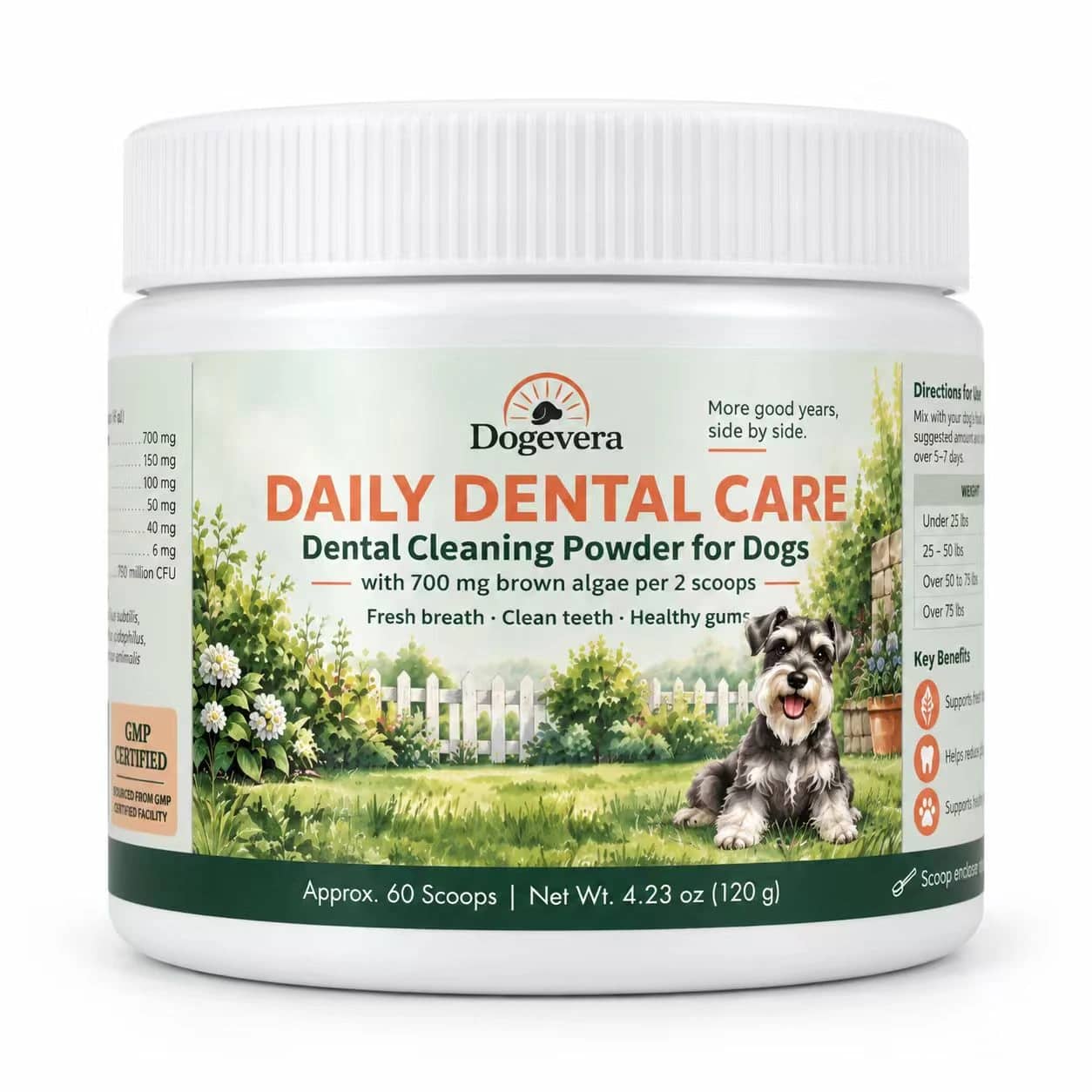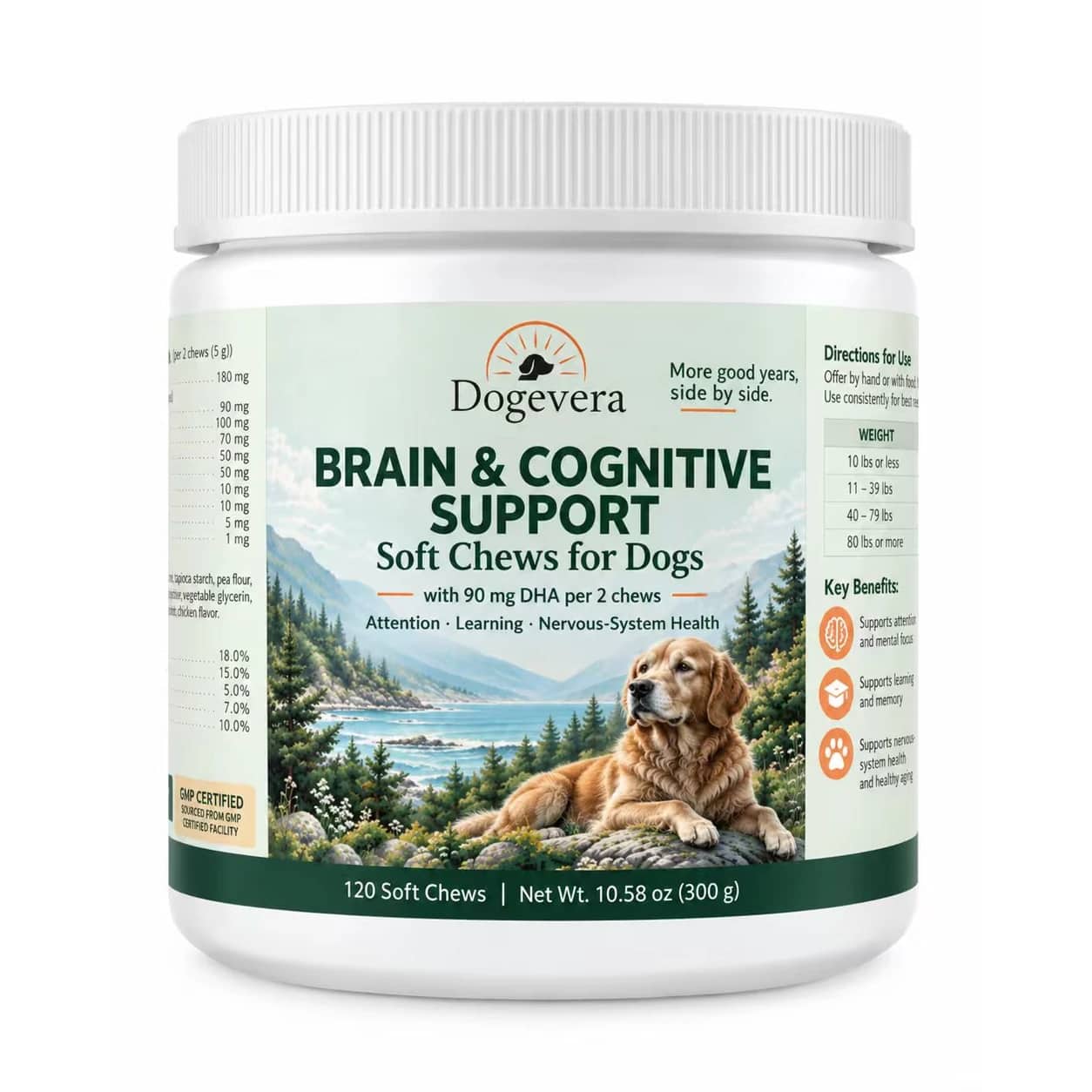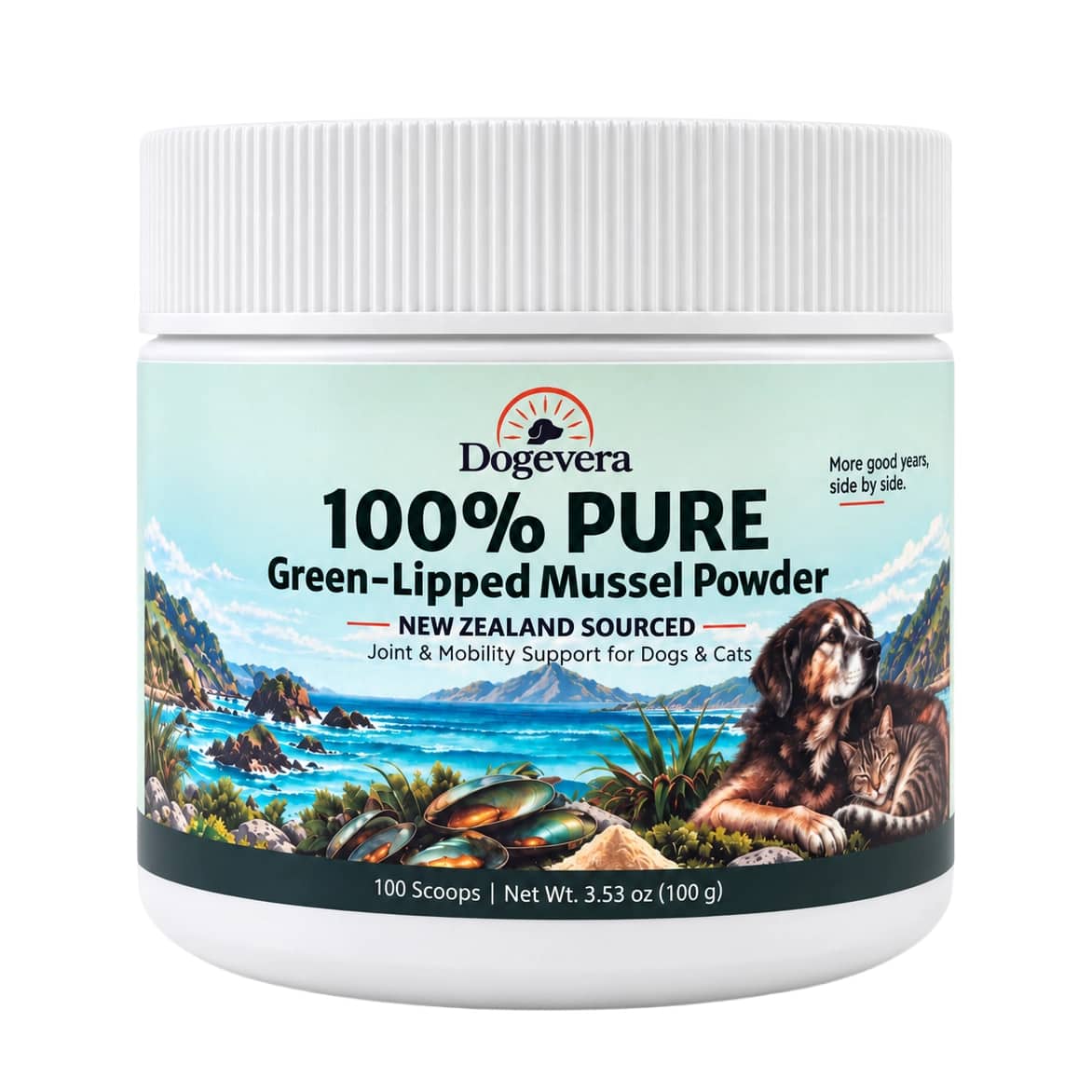
When a senior dog’s bowl already includes a complete daily food, the best dog supplements for overall health are not automatically the ones with the longest ingredient lists. Start by asking a simpler question: what specific part of your dog’s routine are you trying to support?
A supplement can be easier to assess when it has one defined role. Adding several multi-ingredient products at once can make it hard to see what overlaps, what your dog is actually finishing, and what belongs in the routine.
For new, sudden, or concerning changes in appetite, comfort, behavior, or movement, contact your veterinary team promptly.
Start With the Daily Food
A complete daily food is the foundation of a dog’s routine. Before adding a supplement, check the food label and write down:
- The food’s full product name and feeding format
- Whether it is labeled as a complete daily food
- Your dog’s usual portion and treats
- Any toppers, powders, chews, oils, or dental products already used
This keeps a supplement from becoming a substitute for a food routine that needs a closer look. If you are comparing food and joint-focused additions, Dog Food for Joint Health: Food or Supplement? walks through the practical difference.
Make an Ingredient Inventory
Use one page or a note on your phone. List every product your dog receives, including foods, treats, and supplements.
For each item, record:
- Product name
- Main purpose stated on the label
- Ingredient list
- Serving directions
- Format, such as powder, soft chew, capsule, or oil
- When you give it
Then look for repeated ingredients or repeated purposes. Two products may both be marketed for broad wellness while sharing similar ingredients, or they may both add a dental, digestive, mobility, or cognitive angle without making that overlap obvious at first glance.
An inventory is not about finding a perfect routine. It is a way to see whether each product has a distinct job.
Choose One Goal Before Comparing Products
“Overall health” is a broad goal, so turn it into one observable everyday priority. Pick the concern that matters most right now.
- Meals and digestion: Focus on food acceptance, stool changes, and whether the product label clearly explains its intended use. For a more focused label checklist, see Dog Gut Health Supplements: Read the Label First.
- Comfort and movement: Look at the daily situations you notice, such as getting up, walks, or stairs. Avoid assuming that every mobility product is interchangeable.
- Dental routine: Consider whether the product fits alongside brushing, chew choices, and regular mouth checks. Senior Dog Dental Care: A Simple Weekly Worksheet can help organize the rest of that routine.
- Attention or behavior changes: Record the pattern first rather than treating a supplement label as an explanation for a new change.
- Maintaining a manageable routine: Sometimes the best choice is not another product, but a shorter list your household can use consistently.
Choosing one goal gives you a fairer way to compare labels, cost, format, and daily fit.
Compare Labels by Clarity, Not by Claims
A broad claim can sound appealing, but the label should still help you understand what you are buying.
Look for:
- A clear ingredient list rather than vague category language
- A stated purpose that matches your chosen goal
- Directions that fit your dog’s normal meals and your household routine
- A package size and serving information you can compare over time
- A way to identify the specific product if you need to discuss it with your dog’s care team
Be especially careful with products that promise support across many unrelated areas. More claimed benefits do not automatically make a product more useful for your dog.
For more context on what shoppers can and cannot infer from packaging, read Are Dog Supplements Regulated in the US? A Shopper’s Guide.
Use a One-Change Routine
If you decide to add a supplement, keep the rest of the routine steady when practical. Introducing several new items together makes it harder to connect a change in eating, stool, interest in food, or daily behavior with one product.
A simple three-day observation note can include:
- Whether your dog finished the usual meal
- How the supplement was offered
- Any change you noticed in routine, appetite, stool, or willingness to take the product
- Anything else that changed that day, such as travel, visitors, treats, or a new food
This is not a home test or a diagnosis tool. It is a clean record that helps you decide whether the routine is manageable and gives you useful details to share if questions come up.
When Fewer Products May Be Better
It can be reasonable to pause before adding another product when:
- You cannot explain the separate purpose of each supplement
- Several products contain similar ingredients
- Your dog is leaving food behind after a new addition
- You are using supplements to solve a new or worsening concern without getting guidance
- The routine has become difficult to track or afford
A shorter, purpose-led list is often easier to use and review. If your dog is older and you are deciding what to prioritize first, Best Dog Supplements for Older Dogs: What to Buy First offers a goal-by-goal starting point.
FAQ
Does every dog need a daily supplement?
No. A supplement is not automatically necessary just because a dog is older or because a product is marketed for general wellness. Start with the complete food, your dog’s daily routine, and one specific reason to consider an addition.
Can I give more than one dog supplement?
You can first check whether each item has a separate purpose and whether their ingredient lists overlap. Keeping an inventory makes that review much easier.
What is the best first step before buying?
Write down your dog’s current food, treats, and supplements, then choose one goal. That gives you a practical basis for comparing labels instead of buying the broadest claim.
For individual health questions, your veterinarian remains the best partner.