TL;DR
An older dog that suddenly drinks a lot more water, and pees more to match, usually has an underlying medical cause. The most common ones in seniors are kidney disease, diabetes, Cushing's disease, a womb infection (pyometra) in unspayed females, liver disease, high blood calcium and urinary infection, plus medicines such as steroids and diuretics. Each is common enough to take seriously: in UK practices, about 1 in 300 dogs had diabetes and 1 in 600 had Cushing's, and in a Swedish insurance study of over 260,000 female dogs, 19% developed pyometra by age 10. The best first step is simple: measure how much your dog drinks over 24 hours, then take that number and a fresh morning urine sample to your vet. A dog that is drinking more and vomiting, not eating, lethargic, or (in an unspayed female) has a vaginal discharge or swollen belly needs a vet the same day.
Is my dog drinking too much?
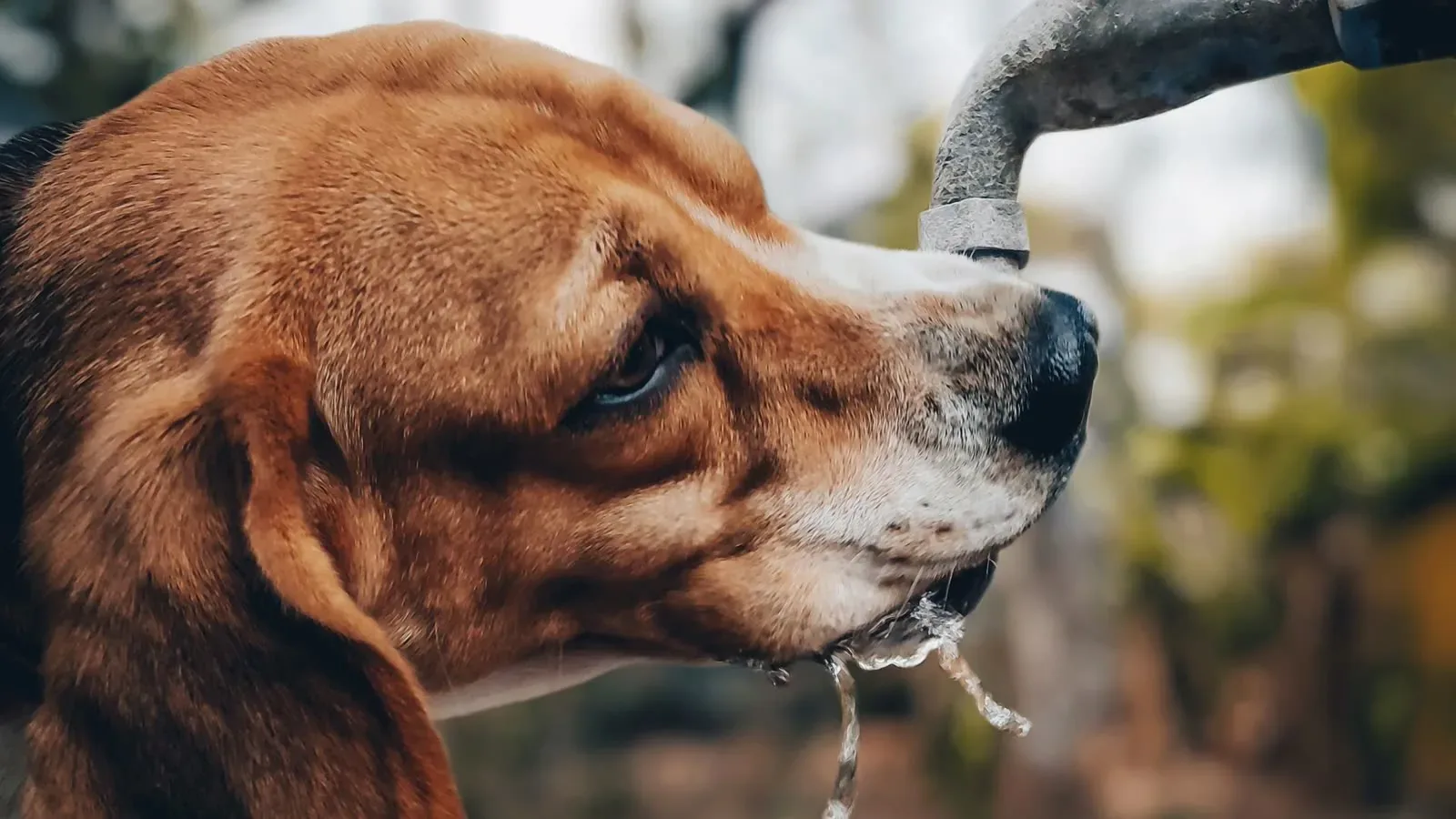
Water needs vary with weather, exercise and diet. Dogs on dry food drink more than dogs on wet food. The key is a change from your dog's normal:
- Refilling the bowl noticeably more often.
- Drinking from puddles, toilets or the shower.
- Asking to go out at night, or accidents indoors.
- Very large or pale puddles.
How to measure water intake at home
- Use one bowl and remove other water sources for the day.
- Measure the water you put in, with a measuring jug.
- Measure what is left and add up refills over 24 hours.
- Repeat for 2 to 3 days on normal days, not after a long hike or on a heatwave day.
- Write it down with your dog's weight and take the record to your vet.
Do not restrict water to "fix" the peeing. Dogs with kidney disease, diabetes or Cushing's need the water, and holding it back can be dangerous.
Common causes of increased thirst in older dogs
| Cause | Other clues |
|---|---|
| Chronic kidney disease | Weight loss, poor appetite, vomiting, bad breath |
| Diabetes | Big appetite yet weight loss, cloudy eyes later |
| Cushing's disease | Big appetite, pot belly, thin coat, panting |
| Pyometra (unspayed females) | Weeks after a heat; discharge, lethargy, vomiting, swollen belly |
| Liver disease | Poor appetite, vomiting, yellow gums or eyes |
| High blood calcium | Often from cancers such as lymphoma; weakness, poor appetite |
| Urinary infection | Frequent small pees, straining, accidents |
| Medicines | Steroids such as prednisolone, diuretics such as furosemide, some seizure drugs |
| Psychogenic (behavioral) drinking | Usually young, anxious dogs; diagnosed only after ruling out disease |
Kidney disease
Failing kidneys cannot concentrate urine, so the dog makes large volumes of dilute urine and drinks to keep up. In a UK study of 107,214 dogs, increased thirst and urination were among the signs most linked to a chronic kidney disease diagnosis, alongside bad breath, weight loss and vomiting. See kidney disease in dogs.
Diabetes
Sugar spills into the urine and draws water with it. In a UK study, about 0.34% of dogs had diabetes; Yorkshire Terriers and overweight dogs had higher odds. The pattern of more drinking, more eating and weight loss together is classic. See signs of diabetes in dogs.
Cushing's disease
Excess cortisol blocks the hormone that tells the kidneys to save water. About 0.17% of UK dogs had Cushing's, with Bichon Frises, Border Terriers and Miniature Schnauzers most at risk. See Cushing's disease in dogs.
Pyometra
An infected, pus-filled womb is a life-threatening emergency in unspayed females, typically a few weeks after a heat. In the Swedish insurance study of over 260,000 female dogs, 19% developed pyometra by 10 years of age, at a mean age of 7 years, with large breeds such as the Leonberger, Irish Wolfhound, Bernese Mountain Dog, Great Dane and Rottweiler among those with the highest combined rates of pyometra and mammary tumors. Increased thirst is often the first sign owners notice. See Bernese Mountain Dog lifespan, Great Dane lifespan and mammary tumors in dogs.
Liver disease and high calcium
Both interfere with how the kidneys handle water. High calcium is often linked to cancer, especially lymphoma, so it is always investigated. See elevated liver enzymes in dogs.
Psychogenic polydipsia
Some dogs drink compulsively without any disease. A 2026 review describes these dogs as mostly young, healthy and often anxious, and notes there is no single test for it: every other cause has to be ruled out first. In an older dog, a medical cause is far more likely.
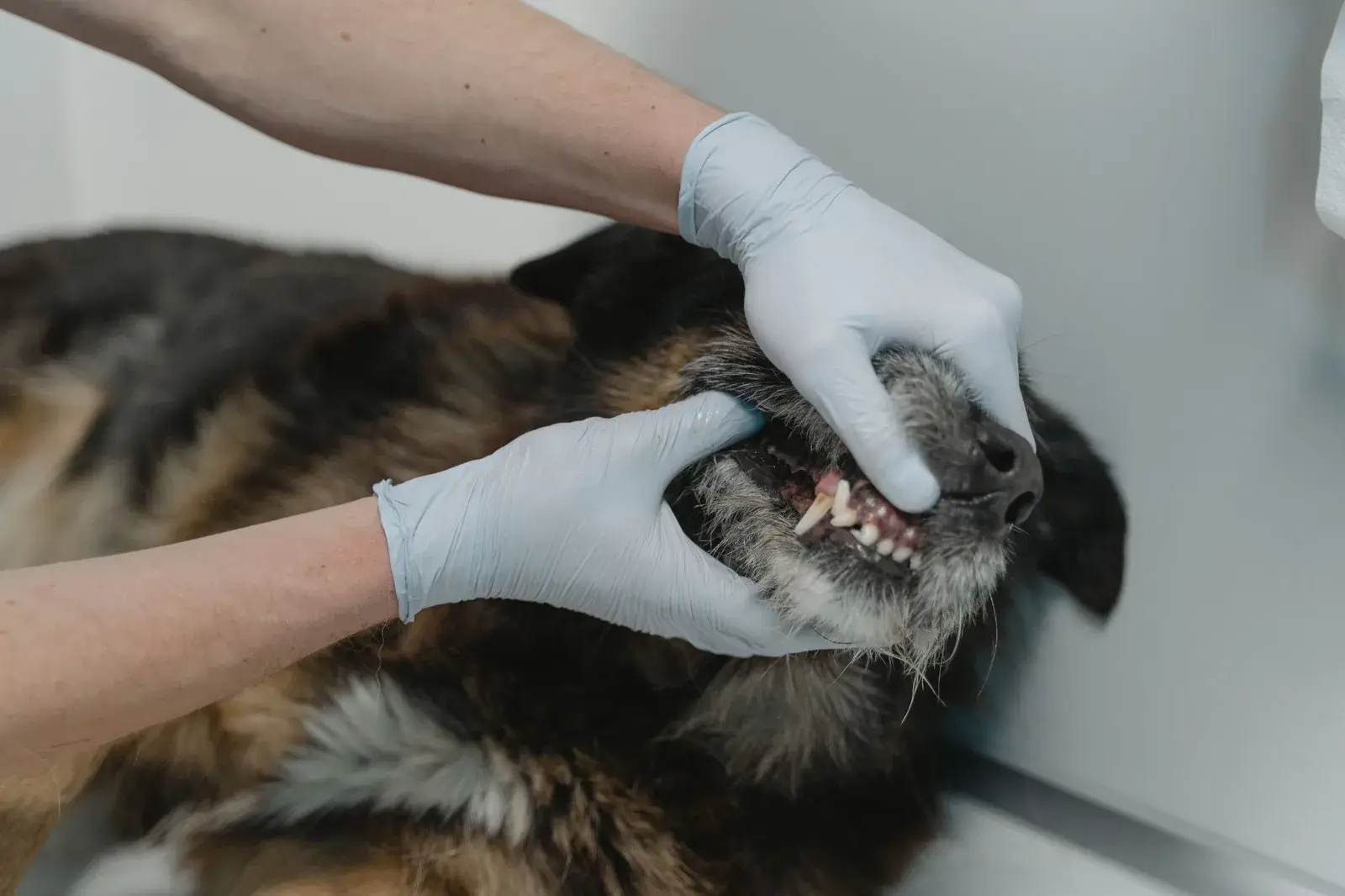
What your vet will check
- Urine test, ideally the first urine of the morning: concentration (specific gravity), sugar, protein, infection.
- Blood tests: kidney values including SDMA, blood sugar, liver enzymes and calcium.
- Urine culture, since infection can hide in dilute urine.
- Tests for Cushing's if the picture fits.
- Ultrasound of the abdomen, especially in unspayed females.
One normal-looking urine test does not always settle it. In a study of 103 healthy dogs sampled six times over two weeks, first-morning urine concentration varied by about 15% within the same dog. Your vet may want more than one sample.
Emergency signs
Go to a vet today if increased drinking comes with:
- Vomiting or refusing food.
- Lethargy or weakness.
- In an unspayed female: vaginal discharge, a swollen belly or fever.
- Straining with no urine.
- Sweet-smelling breath and fast breathing in a known diabetic.
Keeping a senior dog well hydrated
Older dogs also drink too little, especially with arthritis or reduced thirst. Keep several bowls around the house, add water to food, and consider wet food. If your dog prefers moving water, an automatic pet water fountain can give them another place to drink. See hydration for senior dogs.
If extra drinking is leading to accidents, see urinary incontinence in older dogs.
FAQ
Why is my old dog drinking so much water?
The most common causes are kidney disease, diabetes, Cushing's disease, pyometra in unspayed females, liver disease, high blood calcium, urinary infection and medicines such as steroids.
When should I worry about my senior dog drinking a lot?
Any lasting increase is worth a vet check with a urine sample. See a vet the same day if it comes with vomiting, not eating, lethargy, or discharge or a swollen belly in an unspayed female.
Should I limit my dog's water if it is peeing a lot?
No. Dogs with kidney disease, diabetes or Cushing's need extra water, and restricting it can be dangerous. Find the cause instead.
Is increased thirst a sign of kidney failure in dogs?
It can be one of the earliest signs, often with weight loss or a fussier appetite. Blood tests including SDMA and a urine test can confirm it.
How do I measure how much water my dog drinks?
Use one bowl, measure what you put in and what is left, add up refills over 24 hours, and repeat for 2 to 3 normal days.
References
- O'Neill DG, et al. Chronic kidney disease in dogs in UK veterinary practices: prevalence, risk factors, and survival. Journal of Veterinary Internal Medicine. 2013. PMID: 23647231
- Mattin M, et al. An epidemiological study of diabetes mellitus in dogs attending first opinion practice in the UK. Veterinary Record. 2014. PMID: 24570406
- Schofield I, et al. Frequency and risk factors for naturally occurring Cushing's syndrome in dogs attending UK primary-care practices. Journal of Small Animal Practice. 2022. PMID: 34881823
- Jitpean S, et al. Breed variations in the incidence of pyometra and mammary tumours in Swedish dogs. Reproduction in Domestic Animals. 2012. PMID: 23279535
- Pavlovsky G. Psychogenic polydipsia in dogs: a review of pathogenesis, diagnosis and treatment. Journal of Small Animal Practice. 2026. PMID: 41688875
- Rudinsky A, et al. Variability of first morning urine specific gravity in 103 healthy dogs. Journal of Veterinary Internal Medicine. 2019. PMID: 31423644
For individual health questions, your veterinarian remains the best partner.